123-456-7890
Call us today

123-456-7890
Call us today


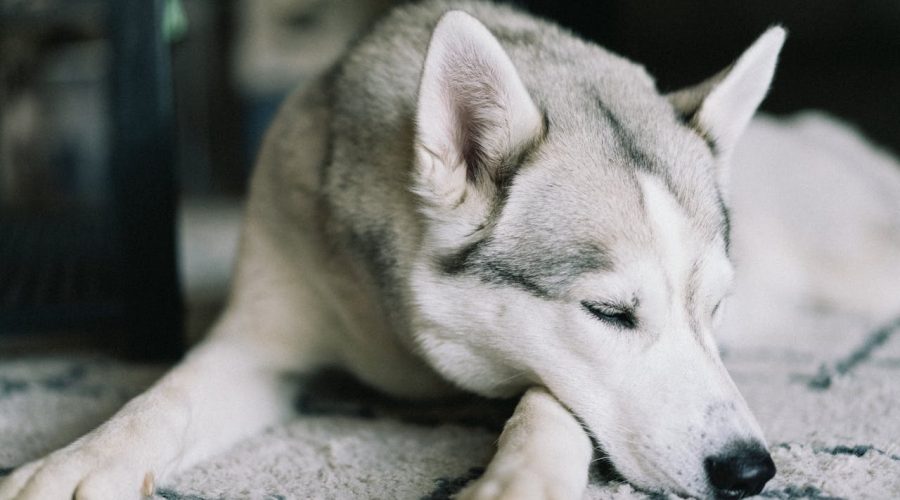
If you’ve welcomed an Alaskan Klee Kai into your life, you’ve probably noticed their stunning, fluffy double coat that’s as beautiful as it is high-maintenance. Grooming is not just about keeping your dog looking pretty—it’s vital for their health, comfort, and happiness. This comprehensive guide will walk you through everything you need to know to manage your Klee Kai’s coat like a pro.
Grooming does more than make your dog look clean. Regular grooming:
The Alaskan Klee Kai has two layers:
Knowing the difference is key for proper brushing, bathing, and maintenance.
Klee Kais come in three sizes (Toy, Miniature, Standard) and their coats vary slightly:
Popular colors include:
Understanding their coat type and color helps choose the right grooming tools.
Grooming your Alaskan Klee Kai doesn’t have to be overwhelming. By understanding their double coat, following a consistent routine, and using the right tools, you can keep your Klee Kai healthy, comfortable, and looking stunning. Regular grooming strengthens your bond while ensuring your furry friend thrives both inside and out.
At least 2–3 times a week, daily during heavy shedding seasons.
Every 6–8 weeks is ideal to avoid stripping natural oils.
Regular brushing, detangling sprays, and quick attention to tangles prevent matting.
Not always, but for heavy mats, nail trimming, or first-time owners, it can help.
High-quality protein and omega-3 fatty acids improve coat health and reduce excessive shedding.
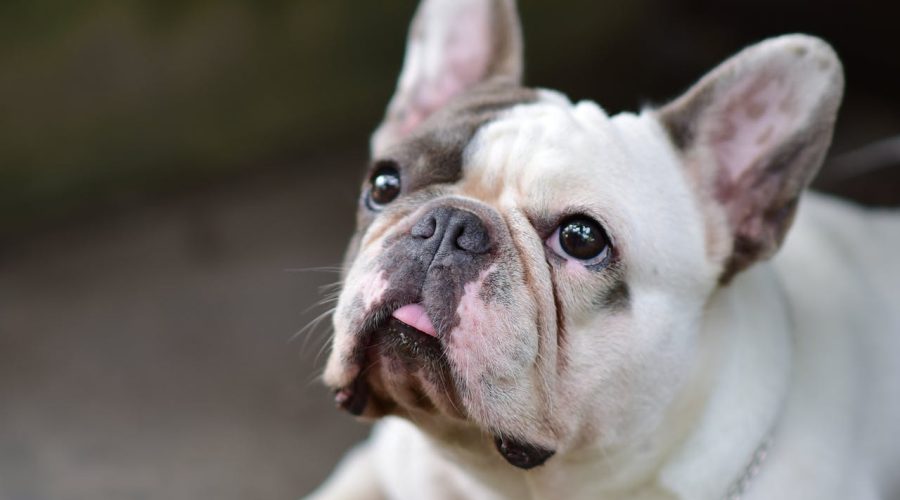
French Bulldogs may be small, but their charming smiles need big attention! Dental care often gets overlooked, yet it plays a massive role in keeping your Frenchie healthy and happy. Poor oral hygiene can lead to gum disease, infections, and even heart problems — so let’s explore how to keep those tiny teeth sparkling clean.
French Bulldogs are more prone to dental problems than many breeds because of their short snouts and crowded teeth. Their compact jaws leave less space for proper alignment, which means plaque and food particles can easily get trapped.
Dental problems don’t just affect the mouth — bacteria from gum infections can travel through the bloodstream and impact your dog’s heart, liver, and kidneys. That’s why routine dental care is essential.
Plaque is a sticky film that forms after eating. If not brushed away, it hardens into tartar and can lead to gum inflammation.
Red, swollen gums are early signs of gingivitis. If left untreated, it can progress into periodontal disease, which causes pain and tooth loss.
Foul breath is a warning sign that bacteria are multiplying. Decay can lead to abscesses and chronic discomfort.
Loose teeth or bleeding gums are serious signs your Frenchie needs dental attention immediately.
Brushing your French Bulldog’s teeth daily (or at least 3–4 times a week) is the best defense against dental disease.
Use a soft-bristled toothbrush or a finger brush made for dogs. Always use dog-safe toothpaste — never human toothpaste, as it can be toxic.
Aim for daily brushing, but even a few times per week can make a big difference.
Diet plays a major role in dental health. Choose dry kibble or dental diets that help scrape plaque from teeth.
Opt for rubber dental toys, nylon chews, or rawhide alternatives approved by vets. These encourage natural chewing and saliva production.
Avoid sticky or sugary treats, bones that splinter, and human food scraps.
Even with an excellent home brushing routine, professional dental cleanings are vital for maintaining your French Bulldog’s oral health. They help remove buildup that home care can’t reach and prevent serious dental diseases.
Your veterinarian should examine your Frenchie’s teeth and gums during every annual checkup. Regular vet visits help identify early signs of dental issues before they become painful or costly to treat.
During a professional cleaning, your vet will place your dog under anesthesia to perform a deep cleaning. This process includes removing plaque and tartar from both above and below the gumline and polishing the teeth for a smooth finish.
Most French Bulldogs benefit from professional dental cleaning about once a year. However, your vet may recommend more frequent visits if your dog is prone to plaque buildup or other dental problems.
Keep an eye out for these warning signs:
If you notice these, schedule a vet visit right away.
You can boost dental health with simple add-ons:
Start dental care early — even as a puppy!
Use gentle introductions and positive reinforcement. Make brushing feel like a bonding activity rather than a chore.
Reward calm behavior with affection or small treats to help your pup associate brushing with fun.
Older Frenchies often experience tooth loss or gum sensitivity. Soft food or soaked kibble can make eating easier. Regular vet checkups become even more critical in senior years.
A healthy mouth means a happy Frenchie! By brushing regularly, feeding wisely, and scheduling vet cleanings, you’ll protect your dog from pain and disease — and keep that adorable smile shining for years to come.
1. How often should I brush my French Bulldog’s teeth?
Ideally every day, but at least three times a week for good results.
2. Can I use human toothpaste for my Frenchie?
No, it’s toxic. Always use dog-safe toothpaste.
3. What are signs my French Bulldog has dental pain?
Bad breath, difficulty chewing, drooling, or avoiding food.
4. Are dental treats enough for oral hygiene?
They help, but brushing is still necessary.
5. How often should I get professional cleaning?
Once a year or as recommended by your vet based on your dog’s oral health.
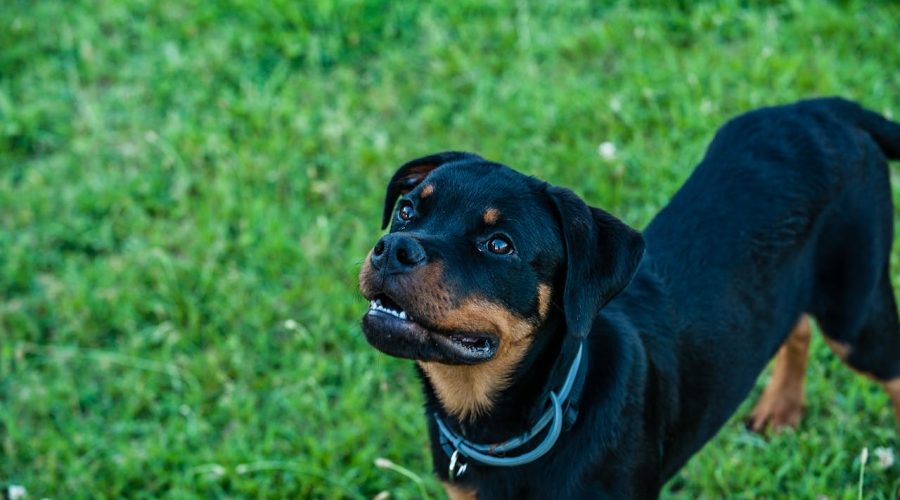
Rottweilers are strong, loyal, and energetic dogs that thrive on physical activity and mental stimulation. As a working breed, they need consistent exercise to stay fit, happy, and well-behaved. Without enough activity, a Rottweiler can become bored, anxious, or even destructive.
In this guide, we’ll cover the best exercises for Rottweilers, how much activity they need daily, and tips to keep your Rottie both physically and mentally balanced.
Rottweilers are natural athletes with muscular builds and high stamina. Regular exercise provides several key benefits:
A healthy adult Rottweiler typically requires at least 1.5 to 2 hours of exercise daily.
This can be broken into two sessions—morning and evening—to prevent exhaustion, especially in warmer climates.
Puppies and senior Rottweilers should have shorter, low-impact sessions appropriate for their age and health.
Walks are the foundation of any dog’s fitness routine.
Tip: Avoid walking on hot pavements during summer — Rottweilers can easily overheat due to their thick coat.
If you’re a runner, your Rottie can be your perfect workout partner.
Best for: Adult Rottweilers (12+ months) with developed bones and joints.
Fetch is not just fun—it’s an excellent cardio workout.
Variation: Try using different textures or squeaky toys to keep your Rottweiler excited.
Rottweilers are surprisingly good swimmers!
Safety Tip: Always supervise swimming sessions and avoid deep or fast-moving water.
Rottweilers love a challenge.
Agility courses combine both mental and physical stimulation.
Set up simple obstacles like tunnels, jumps, and weave poles.
Benefits:
You can even enroll your Rottie in local agility or obedience classes for structured training.
This classic game helps build muscle strength and control.
Note: Great indoor activity for rainy days.
Take your Rottweiler on nature hikes!
Always carry a leash, water, and snacks for longer treks.
Rottweilers are intelligent and need mental workouts too.
Try these brain-boosting activities:
Mental stimulation keeps your Rottie calm and prevents destructive behaviors.
To keep your Rottweiler safe during workouts:
Remember—overexercising a puppy can damage developing joints, while seniors need activities that support flexibility and comfort.
Keeping your Rottweiler fit and happy requires a mix of physical activity and mental engagement.
From daily walks and swimming to brain puzzles and obedience games, the key is consistency and variety.
A well-exercised Rottweiler is not only healthier but also calmer, more obedient, and emotionally balanced. So grab that leash, head outdoors, and start strengthening your bond with your loyal companion today!
1. How much exercise does a Rottweiler need daily?
About 1.5 to 2 hours of exercise every day is ideal for an adult Rottweiler.
2. What are the best exercises for Rottweilers?
Walks, fetch, running, swimming, and agility training are great for Rottweilers.
3. Can Rottweilers go running?
Yes, adult Rottweilers love running—just start slow and avoid hot weather.
4. Is swimming good for Rottweilers?
Yes, swimming is a safe, full-body workout that’s gentle on their joints.
5. What if my Rottweiler doesn’t get enough exercise?
They may become bored, gain weight, or show destructive behavior.
6. Can I exercise my Rottweiler indoors?
Yes—play tug of war, hide-and-seek, or use puzzle toys for mental activity.


516 Columbia Blvd
Sonoma, CA 21202

Office: 772-619-6309
Inquiries: 772-619-6432

Mon - Fri: 9am - 8pm
Sat - Sun: Closed