
123-456-7890
Call us today

123-456-7890
Call us today


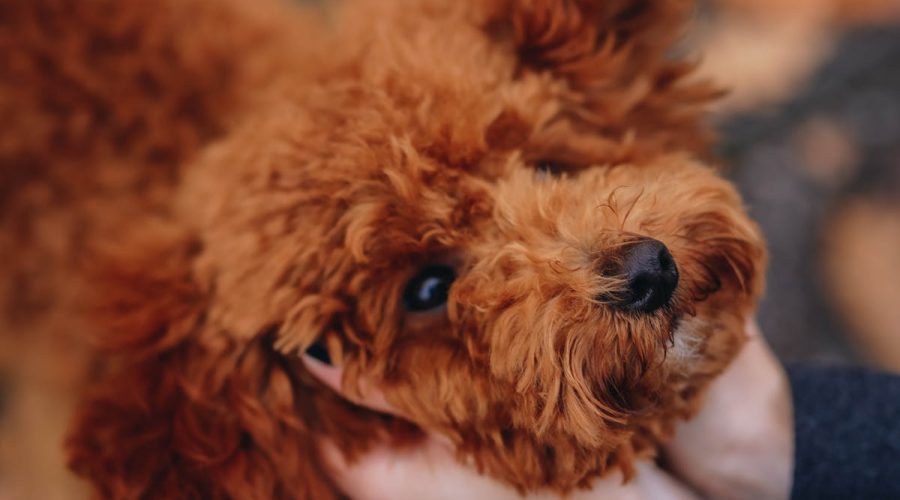
Bringing a puppy into your life is exciting, emotional, and sometimes a little overwhelming. One moment you are smiling at their playful energy, and the next you are wondering how such a small creature can cause so much chaos. At the heart of all of this is one important goal. Building a strong bond with your puppy.
A strong bond is not just about affection. It is about trust, communication, and understanding. When your puppy feels safe and connected to you, training becomes easier, behavior improves, and your relationship grows into something truly special. This guide will walk you through practical, simple, and proven ways to build a lifelong bond with your puppy.
Bonding lays the foundation for everything that comes next in your puppy’s life. A well bonded puppy is more confident, less anxious, and more responsive to training.
When your puppy trusts you, they look to you for guidance. This trust helps prevent behavior problems like excessive barking, fearfulness, or aggression later on. Think of bonding as building an emotional safety net. The stronger it is, the more secure your puppy feels in every situation.
Puppies are social animals. They are hardwired to form close relationships, just like they would with their mother and littermates.
Your puppy needs:
Ignoring these needs can lead to stress and confusion. Meeting them helps your puppy feel understood and valued.
The bonding process begins the moment your puppy comes home.
Your puppy’s first days shape how they see their new world. Keep things calm, quiet, and predictable. Avoid overwhelming them with too many visitors or new experiences at once.
Puppies feel secure when they know what to expect. Feeding, playtime, potty breaks, and sleep should follow a consistent schedule. Routine builds trust and reduces anxiety.
Positive reinforcement is one of the most powerful bonding tools you have.
Reward good behavior with praise, treats, or gentle affection. This teaches your puppy that listening to you leads to good things. Over time, your puppy will want to please you, not out of fear, but out of trust.
Avoid harsh corrections. Fear damages bonds quickly and can take a long time to repair.
Bonding does not happen automatically. It grows through shared experiences.
Playtime strengthens emotional connection and builds communication. Tug toys, fetch, or gentle wrestling are great options. Always keep play positive and stop if your puppy becomes overstimulated.
Put away distractions during puppy time. Your attention matters more than the activity itself. Even short moments of focused interaction build connection.
Communication goes both ways.
Your puppy communicates through posture, facial expressions, and movement. Learning these signals helps you respond appropriately.
Common signs include:
When you understand your puppy, they feel understood in return.
Your tone matters more than your words. Speak gently during training and comfort. A calm voice reassures your puppy and strengthens trust.
Touch is a powerful bonding tool when used correctly.
Pet your puppy gently and regularly. Touch their paws, ears, and mouth during calm moments. This builds comfort with handling and prepares them for grooming and vet visits.
Always respect your puppy’s boundaries. If they pull away or seem uncomfortable, give them space.
Training is not just about commands. It is about teamwork.
Puppies have short attention spans. Five to ten minute sessions work best. End on a positive note so your puppy looks forward to the next session.
Every success matters. Sitting on cue, coming when called, or calmly waiting are all moments worth celebrating.
Training builds confidence in your puppy and trust in you as a leader.
Routine care activities are excellent bonding opportunities.
Hand feeding occasionally can build trust, especially with shy puppies. It teaches your puppy that good things come from you.
Brushing, bathing, and nail trimming done gently help your puppy feel safe in your hands. These moments reinforce comfort and connection.
Proper socialization helps your puppy feel confident and secure.
Introduce new people, environments, and experiences slowly. Stay close and offer reassurance. Your presence becomes a source of comfort during unfamiliar situations.
When your puppy learns that you are there to protect and guide them, the bond deepens.
Even well meaning owners can make mistakes.
Avoid:
Patience and understanding always build stronger bonds than control or frustration.
Bonding does not stop after puppyhood.
Continue spending time together, learning new skills, and enjoying shared activities. Walks, training games, and quiet moments all contribute to a lifelong connection.
As your puppy matures, the bond you built early becomes the foundation for a happy and balanced adult dog.
Building a strong bond with your puppy is one of the most rewarding parts of pet ownership. It is not about perfection. It is about consistency, kindness, and shared moments. When your puppy feels safe, understood, and loved, they give that love back tenfold.
Take your time, enjoy the journey, and remember that every small interaction helps shape a relationship that can last a lifetime.
1. How long does it take to bond with a puppy?
Bonding starts immediately but deepens over weeks and months through consistent care and interaction.
2. Can I bond with an older puppy or rescue dog?
Yes, bonding is possible at any age. It may take more patience, but trust can always be built.
3. Does training help with bonding?
Yes, positive training strengthens communication and trust between you and your puppy.
4. What if my puppy seems distant or shy?
Go slow, avoid forcing interaction, and let your puppy set the pace while offering gentle reassurance.
5. Is too much affection bad for bonding?
Affection is good, but balance it with structure, training, and independence to create a healthy bond.
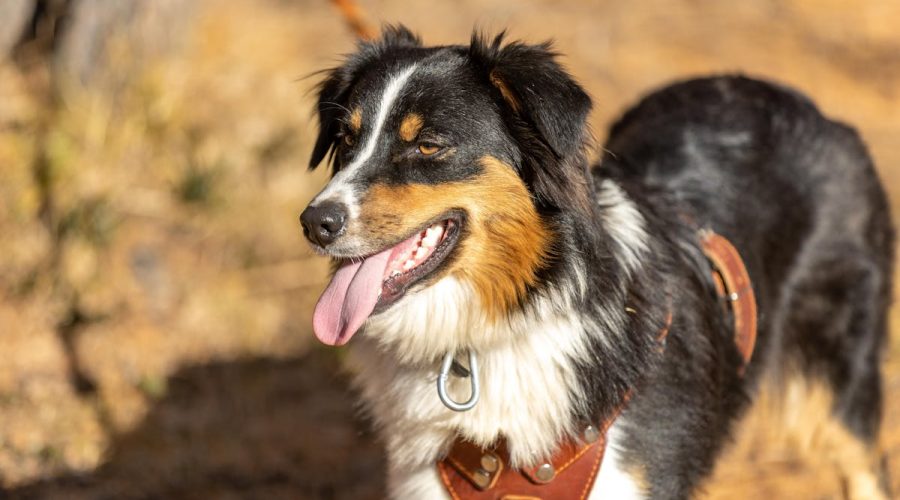
Are you considering bringing a new furry friend into your life? Australian Shepherds are among the most popular breeds in the United States. Their energetic, intelligent, and affectionate nature makes them stand out, but they are not for everyone. Understanding the Australian Shepherd pros and cons helps potential owners make informed decisions before adoption.
Owning a dog is a long-term commitment. Australian Shepherds live for 12–15 years on average, and their unique needs can overwhelm unprepared owners. Knowing what you’re getting into ensures a happy relationship for both you and your dog.
Australian Shepherds, despite the name, were developed in the United States in the 19th century to herd livestock. They are closely associated with ranches and farm life, excelling in agility and obedience competitions.
This breed appeals to active families, ranchers, and dog enthusiasts who enjoy outdoor activities. Their intelligence and trainability make them excellent working dogs and companions for energetic households.
Australian Shepherds typically live 12–15 years. They are generally healthy but prone to specific genetic conditions like hip dysplasia and eye disorders.
These dogs are highly intelligent and quick learners. They thrive on structured training and mental stimulation. Obedience, agility, and herding competitions come naturally to them.
Australian Shepherds are loyal, affectionate, and protective of their family. Early socialization ensures they interact well with children and other pets. Without it, they may display herding behaviors like nipping or chasing.
These dogs learn commands quickly and excel in advanced training, making them perfect for active owners who enjoy teaching tricks or engaging in dog sports.
They are naturally devoted to their family and make excellent watchdogs, alerting owners to unusual activity.
If you love running, hiking, or outdoor activities, Australian Shepherds make energetic and enthusiastic partners.
Without sufficient physical and mental activity, these dogs may become bored, anxious, or destructive. They require daily exercise and interactive play.
Their double coat sheds year-round and needs regular brushing to prevent mats and hair buildup. Occasional professional grooming is also recommended.
Under-stimulated Australian Shepherds may exhibit behaviors like excessive barking, chewing, or herding children and other pets.
Start training early with positive reinforcement methods. Short, consistent sessions help prevent behavioral problems later.
Expose your Australian Shepherd puppy to a variety of people, pets, and environments to ensure a well-rounded adult dog.
At least 1–2 hours of vigorous activity daily is ideal, including walking, running, or agility exercises.
Puzzle toys, obedience training, and interactive games prevent boredom and strengthen the bond between owner and dog.
Regular vet visits, vaccinations, and proper diet reduce health risks. Genetic testing may also be considered when adopting.
While they can adapt to apartments, Australian Shepherds thrive in homes with space to run and play. A securely fenced yard is ideal.
They are adaptable but prefer environments where they can exercise regularly and engage their intelligence.
Adoption costs range from $300–$600, while purebred puppies may cost $800–$2,000 depending on lineage and breeder reputation.
Expect monthly expenses for food, grooming, toys, and healthcare to average $100–$150, potentially more for health issues.
Who Might Not Be the Best Fit
Australian Shepherds are intelligent, loyal, and energetic dogs that make excellent companions for active families. They offer incredible rewards for those who meet their physical, mental, and social needs. Understanding the Australian Shepherd pros and cons helps potential owners make informed decisions and ensures a long, happy relationship with this remarkable breed.
Are Australian Shepherds good with children?
Yes, with proper socialization, they are affectionate and protective with kids.
Do Australian Shepherds shed a lot?
Yes, their double coat sheds year-round and requires regular brushing.
How much exercise do Australian Shepherds need?
They need at least 1–2 hours of vigorous activity daily.
Are Australian Shepherds easy to train?
Yes, their high intelligence makes them quick learners, but consistency is key.
What are common health issues in Australian Shepherds?
Hip dysplasia, eye disorders, and epilepsy are some common health concerns.

The Australian Shepherd is one of the most intelligent, energetic, and versatile dog breeds in the world. Known for its striking appearance, unmatched work ethic, and loyal personality, this breed has become a favorite among active families, dog sports competitors, and ranchers. Whether you’re considering adopting an Australian Shepherd or simply want to learn more, understanding their temperament, traits, and origins will help you appreciate what makes them truly unique.
The Australian Shepherd—often called the “Aussie”—is a medium-sized herding breed famous for its agility, intelligence, and tireless energy. Originally bred for livestock work, they are highly active dogs that thrive when given jobs or mental challenges. Aussies excel in sports, companionship, and service work, making them one of the most versatile breeds today.
Despite its name, the Australian Shepherd was not developed in Australia. Its history is a fascinating blend of cultures and countries.
The breed’s ancestors were believed to have originated in the Basque region of Europe. Basque shepherds, known for their exceptional herding skills, developed dogs that were smart and tough enough to handle varied terrain.
Basque shepherds later immigrated to Australia, where they continued working with their herding dogs. These imported dogs influenced local herding breeds, contributing to the line that eventually shaped the modern Aussie.
The breed as we know it today was largely developed in the United States, especially in the western ranching regions. American ranchers refined the breed for:
By the mid-20th century, the Australian Shepherd became a star in rodeos, ranch life, and eventually family homes.
Australian Shepherds are distinguished by several physical and personality traits that make them highly desirable yet demanding companions.
Aussies are medium-sized and athletic, built for long hours of herding.
Their coat and eye variations make every Australian Shepherd uniquely beautiful.
Australian Shepherds are high-energy dogs, bred to work all day. They require significant daily exercise, mental stimulation, and engagement.
Aussies typically live 12–15 years, and with proper care, they remain active and healthy into their senior years.
Australian Shepherds are known for their sharp minds, loyalty, and strong work ethic. Their temperament is often described as:
Aussies are among the smartest dog breeds. They learn commands rapidly and excel in:
Their intelligence, however, means they can become bored easily if not mentally challenged.
Aussies form strong bonds with their families. They are naturally protective and alert, making them excellent watchdogs.
This breed thrives on physical activity. They enjoy:
A sedentary lifestyle can lead to:
While they are extremely affectionate with their families, Australian Shepherds may be cautious around strangers. Early socialization helps them become confident and adaptable.
Aussies may naturally try to herd:
This behavior is instinctual, not aggressive, but training can help manage it.
They solve problems quickly and enjoy tasks that involve thinking and decision-making.
Aussies are happiest when they have a “job,” whether it’s herding, fetching, or simply following commands.
They excel in many roles, including:
Some Australian Shepherds may chase small animals. Training and supervision are recommended.
They prefer to be close to their owners and don’t enjoy long periods of isolation.
Australian Shepherds shed year-round and heavily during seasonal changes.
Grooming requirements include:
Aussies need at least 1–2 hours of exercise per day, including both physical and mental activities.
Consistent training starting early is essential.
They thrive with:
An Australian Shepherd is ideal for people who:
✅ Are active or outdoorsy
✅ Enjoy training and interacting with their dog
✅ Want a highly intelligent companion
✅ Can commit time daily to exercise and enrichment
An Aussie may not be ideal if you:
❌ Prefer a low-energy dog
❌ Can’t provide daily mental stimulation
❌ Have limited time for training and play
❌ Live a sedentary lifestyle
The Australian Shepherd is a remarkable breed admired for its intelligence, agility, loyalty, and striking looks. With deep historical roots and a strong herding background, this dog thrives in homes that can match its high-energy lifestyle. If given proper training, exercise, and love, an Australian Shepherd becomes one of the most rewarding companions you could ever have.
Yes, Australian Shepherds are loyal, affectionate, and great with active families who can meet their exercise needs.
They require at least 1–2 hours of daily physical and mental activity.
Yes, they shed year-round and need regular brushing to manage their double coat.
Absolutely. They are highly intelligent and learn quickly with positive reinforcement.
They were developed in the U.S. for herding livestock and ranch work.


516 Columbia Blvd
Sonoma, CA 21202

Office: 772-619-6309
Inquiries: 772-619-6432

Mon - Fri: 9am - 8pm
Sat - Sun: Closed