123-456-7890
Call us today

123-456-7890
Call us today


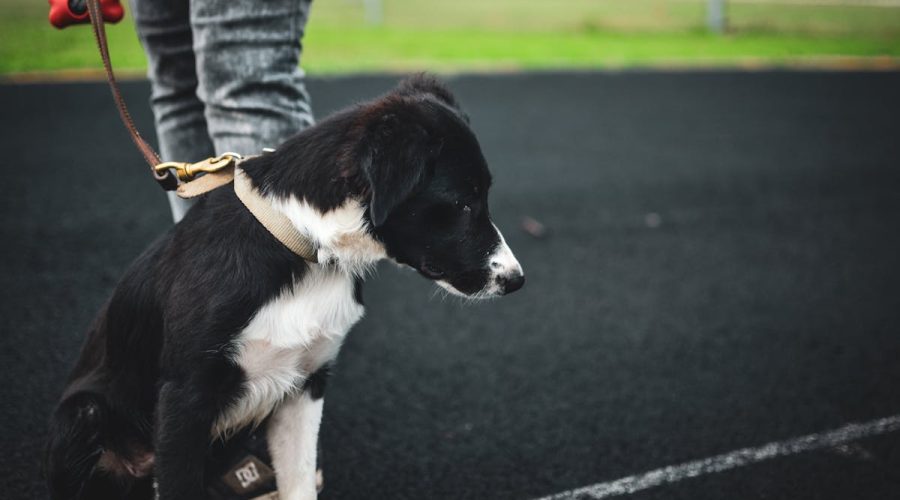
Leash training your puppy is not just about teaching them how to walk beside you. It is one of the most important foundations for raising a well-behaved and confident dog. Without proper leash training, even a simple walk can turn into a chaotic experience filled with pulling, distractions, and frustration. A trained puppy, on the other hand, understands boundaries and responds to your guidance, making every outing enjoyable.
Safety is one of the biggest reasons why leash training matters. Puppies are naturally curious and easily distracted by sounds, smells, and movement. Without control, they may run toward traffic, chase other animals, or approach unfamiliar people. A leash acts as a direct line of communication, helping you guide your puppy and prevent dangerous situations before they happen.

Starting leash training at the right time can make the entire process smoother and more effective. Most experts recommend beginning as early as 8 weeks old. At this stage, puppies are highly receptive to new experiences and can quickly adapt to basic training routines. Early exposure helps them develop positive habits before unwanted behaviors take root.
That said, timing is not just about age. It is also about readiness. Your puppy should feel comfortable wearing a collar or harness before introducing a leash. If they are constantly scratching, biting, or trying to remove it, take a step back and allow them to adjust gradually. Rushing this stage can create negative associations that make training harder later.
Another sign that your puppy is ready is their level of curiosity and responsiveness. Puppies that follow you around, respond to their name, and show interest in their surroundings are usually more prepared for leash training. Keeping sessions short and positive is key at this stage. Even a few minutes a day can build confidence and set the foundation for successful training.
Choosing the right tools can make a significant difference in how quickly and effectively your puppy learns leash training. A standard leash that is about 4 to 6 feet long is ideal for beginners. It gives you enough control while still allowing your puppy some freedom to explore. Avoid retractable leashes in the early stages, as they can encourage pulling and reduce control.
When it comes to harnesses and collars, many trainers recommend starting with a harness. Harnesses distribute pressure across the body rather than the neck, making them safer and more comfortable, especially for small or energetic puppies. Collars can still be used, but they should fit properly and not cause discomfort.
Leash training becomes much easier when you follow a structured approach. The first step is introducing your puppy to a collar or harness. Let them wear it around the house for short periods while offering treats and praise. This helps them associate the gear with positive experiences rather than discomfort.
Once your puppy is comfortable, attach the leash and allow them to drag it around indoors under supervision. This step helps them get used to the sensation without feeling restricted. After that, gently hold the leash and encourage your puppy to follow you using treats or toys. Keep the environment calm and distraction-free to help them focus.
Practicing indoors before moving outside is crucial. Indoor training allows your puppy to learn basic commands without overwhelming distractions. Once they can walk calmly indoors, gradually introduce outdoor environments. Start with quiet areas and slowly increase exposure to more stimulating settings.
Consistency is key throughout this process. Short, frequent sessions are far more effective than long, irregular ones. With patience and repetition, your puppy will learn to walk calmly by your side, making every walk a pleasant experience.
Leash training is not always smooth, and most puppy owners face common challenges along the way. One of the most frequent issues is pulling. Puppies tend to pull because they are excited and want to explore. The best way to address this is to stop walking whenever the leash becomes tight. Resume walking only when the leash is loose, teaching your puppy that pulling does not get them where they want.
Another common problem is refusal to walk. Some puppies may sit, lie down, or resist movement altogether. This usually happens when they feel unsure or overwhelmed. Instead of pulling them forward, use treats, toys, or an encouraging voice to motivate them. Building confidence takes time, so patience is essential.
Leash biting is another behavior that many owners struggle with. Puppies often bite the leash out of curiosity or boredom. Redirect their attention to a toy or treat whenever this happens. Consistency in redirection helps them learn appropriate behavior over time.
Leash training does not have to be difficult if you use the right techniques. Positive reinforcement is one of the most effective methods. Reward your puppy every time they walk calmly beside you. This reinforces good behavior and encourages them to repeat it.
Keeping training sessions short is equally important. Puppies have limited attention spans, so long sessions can lead to frustration and fatigue. Aim for 5 to 10 minutes per session and gradually increase as your puppy improves. Ending each session on a positive note keeps your puppy motivated and eager to learn.
Consistency is another critical factor. Using the same commands, rewards, and routines helps your puppy understand what is expected. Over time, these small efforts lead to significant progress and a well-trained dog.
Many puppy owners unintentionally make mistakes that slow down the training process. One common mistake is pulling the leash too hard, which can create fear or discomfort. Gentle guidance is far more effective and builds trust.
Inconsistency is another major issue. Allowing your puppy to pull sometimes but not others creates confusion. Clear and consistent rules help reinforce learning. Skipping training sessions or expecting immediate results can also lead to frustration.
Avoid using punishment during leash training. Negative experiences can damage your puppy’s confidence and make them resistant to learning. A positive approach always yields better long-term results.
Leash training timelines vary depending on the puppy’s age, breed, and personality. Some puppies may start showing improvement within a few days, while others may take several weeks. Consistency and patience are the most important factors in determining success.
Most puppies begin to walk calmly on a leash within two to four weeks of regular training. However, mastering behavior in different environments may take longer. Gradual exposure to distractions helps your puppy adapt and build confidence.
Instead of focusing on speed, focus on progress. Celebrate small improvements and remain patient throughout the process. Every puppy learns at their own pace.
Leash training is an essential skill that sets the foundation for a lifetime of safe and enjoyable walks. By starting early, using the right tools, and following a structured approach, you can transform leash training into a positive experience for both you and your puppy.
Patience, consistency, and positive reinforcement are the keys to success. With time and effort, your puppy will learn to walk calmly by your side, turning everyday walks into moments of bonding and joy.
1. What is the best age to start leash training a puppy?
You can begin leash training as early as 8 weeks old with short, positive sessions.
2. Should I use a harness or collar for leash training?
A harness is generally safer and more comfortable for puppies, especially beginners.
3. How do I stop my puppy from pulling on the leash?
Stop walking when your puppy pulls and reward them when the leash is loose.
4. Why does my puppy refuse to walk on a leash?
This is usually due to fear or unfamiliarity. Use encouragement and patience to build confidence.
5. How long should leash training sessions be?
Keep sessions between 5 to 10 minutes to maintain focus and effectiveness.
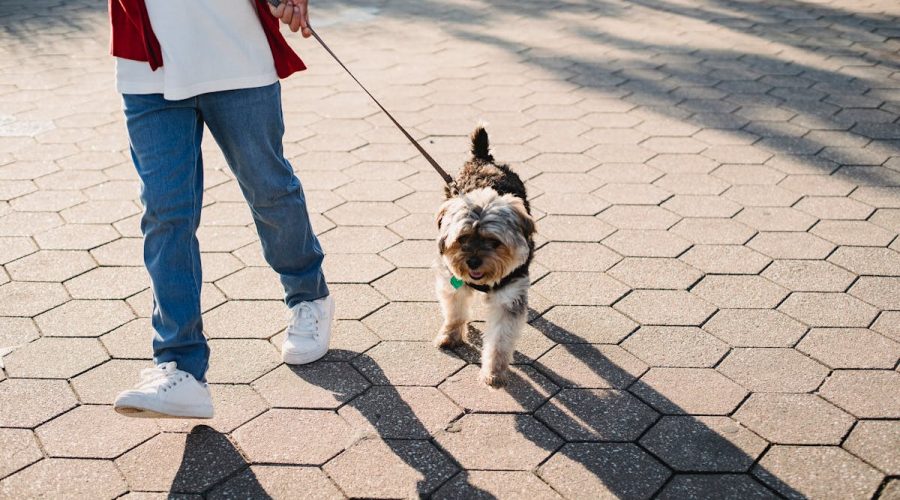
Walking your dog is one of the simplest yet most important parts of responsible pet ownership. It keeps your dog physically healthy, mentally stimulated, and emotionally balanced. Yet many dog owners still wonder about the ideal dog walking time and ask the same question: how long should you walk your dog each day? The truth is that there is no single answer that fits every dog. The amount of exercise a dog needs depends on several factors, including breed, age, size, health condition, and energy level.
For most healthy dogs, daily walks are essential. Veterinarians and pet experts generally recommend at least 30–60 minutes of daily walking for adult dogs, though some energetic breeds may require even more exercise to stay healthy and happy. Walking not only burns calories but also provides mental enrichment through smells, sights, and social interaction.
Daily walks are much more than bathroom breaks. Walking provides dogs with both physical and mental exercise, which is essential for maintaining a healthy lifestyle. Dogs are naturally curious animals that thrive on exploring their environment. When they walk, they experience new smells, sounds, and sights that stimulate their brains.
Regular walks also help maintain a healthy body weight. Dogs that receive consistent exercise are less likely to become overweight or obese. Obesity in dogs can lead to serious health problems such as joint pain, diabetes, and heart disease. By maintaining the proper dog walking time, you can help prevent many of these issues.
Walking also improves a dog’s social behavior. When dogs interact with people, other pets, and different environments during walks, they become more confident and less fearful. Socialized dogs are typically calmer and better behaved at home.
Perhaps most importantly, walking strengthens the bond between dogs and their owners. Spending time together outdoors builds trust and communication. A simple daily walk becomes an opportunity for companionship, training, and shared enjoyment.
The ideal dog walking time varies depending on the individual dog. However, most healthy adult dogs benefit from at least one or two walks per day totaling around 45–60 minutes. Some high-energy breeds may need up to 90 minutes or even two hours of exercise daily to burn off excess energy.
Instead of doing one long walk, many owners prefer splitting exercise into two or three shorter walks throughout the day. This schedule keeps dogs active while preventing exhaustion. For example, a typical routine might include a morning walk before work, a short midday break, and a longer evening walk.
The key is to observe your dog’s behavior. If your dog seems restless, destructive, or hyperactive after a short walk, they may need more exercise. On the other hand, if they become tired quickly or struggle to keep up, you may need to shorten the walk.
Weather conditions also influence walking duration. In hot weather, shorter walks during cooler hours are safer. In colder climates, you may need protective gear such as dog jackets or booties.
Ultimately, the goal is to provide enough exercise to keep your dog physically active and mentally satisfied.
Puppies have different exercise needs than adult dogs because their bodies are still developing. Overexercising a puppy can put unnecessary stress on their joints and bones. Instead of long walks, puppies benefit from several short walks throughout the day.
A common guideline is the “five-minute rule.” This rule suggests walking a puppy for about five minutes per month of age. For example, a four-month-old puppy could handle about twenty minutes of walking at a time.
Puppies also gain exercise through playtime, training sessions, and exploring their environment. These activities provide both mental and physical stimulation while preventing exhaustion.
Short walks help puppies develop leash skills, confidence, and socialization without overwhelming their growing bodies.

Senior dogs often slow down as they age. Arthritis, joint stiffness, and reduced stamina can make long walks difficult. However, regular movement is still important for maintaining mobility and preventing weight gain.
Instead of long walks, older dogs usually benefit from shorter, slower walks with frequent breaks. Gentle exercise helps maintain joint flexibility and muscle strength while improving circulation.
Owners should watch for signs of fatigue such as limping, heavy panting, or reluctance to continue walking. Adjusting the dog walking time based on your dog’s comfort ensures they remain active without discomfort.
Veterinarians may also recommend joint supplements or specific exercise routines for aging dogs.
Dogs often communicate their needs through behavior. When dogs do not get enough activity, they may show signs of boredom or frustration.
Common signs that your dog may need more dog walking time include excessive barking, chewing furniture, digging in the yard, or pacing around the house. Some dogs may also become hyperactive or restless, especially in the evening.
Adding an extra walk or increasing the duration of existing walks can help burn off excess energy. Interactive play, training sessions, and puzzle toys can also provide additional mental stimulation.
Observing your dog’s behavior helps you adjust their exercise routine to meet their individual needs.
Creating a consistent walking routine helps dogs feel secure and balanced. Dogs thrive on predictable schedules, so walking at the same times each day can improve behavior and reduce anxiety.
Morning walks help dogs release energy and start the day calmly. Evening walks provide another opportunity for exercise and relaxation after a long day.
Using positive reinforcement during walks can also strengthen training. Rewarding good behavior with praise or treats encourages dogs to walk politely on the leash.
Varying walking routes occasionally can also make walks more exciting. New environments provide fresh scents and experiences that stimulate your dog’s curiosity.
Determining the right dog walking time depends on several factors including breed, age, health, and energy level. While most adult dogs benefit from 30–60 minutes of daily walking, some high-energy breeds may require significantly more activity to stay healthy and balanced.
Understanding how long you should walk your dog helps create a routine that supports both physical health and mental well-being. Puppies need shorter walks, adult dogs require consistent daily exercise, and senior dogs benefit from gentle movement.
By observing your dog’s behavior and adjusting their walking schedule accordingly, you can ensure they receive the right amount of exercise. A simple daily walk becomes more than just physical activity—it becomes a shared experience that strengthens the bond between you and your dog.
1. How long should you walk your dog each day?
Most adult dogs need around 30–60 minutes of walking per day, depending on their breed and energy level.
2. Is one walk a day enough for a dog?
Many dogs benefit from two walks per day, which helps spread exercise throughout the day and prevents boredom.
3. Do puppies need daily walks?
Yes, but puppies require shorter walks. A common guideline is five minutes per month of age per walk.
4. What happens if dogs don’t get enough exercise?
Dogs without enough activity may develop behavioral issues such as chewing, barking, or restlessness.
5. Can you walk your dog too much?
Yes, especially puppies or senior dogs. Excessive exercise can lead to joint stress or fatigue.
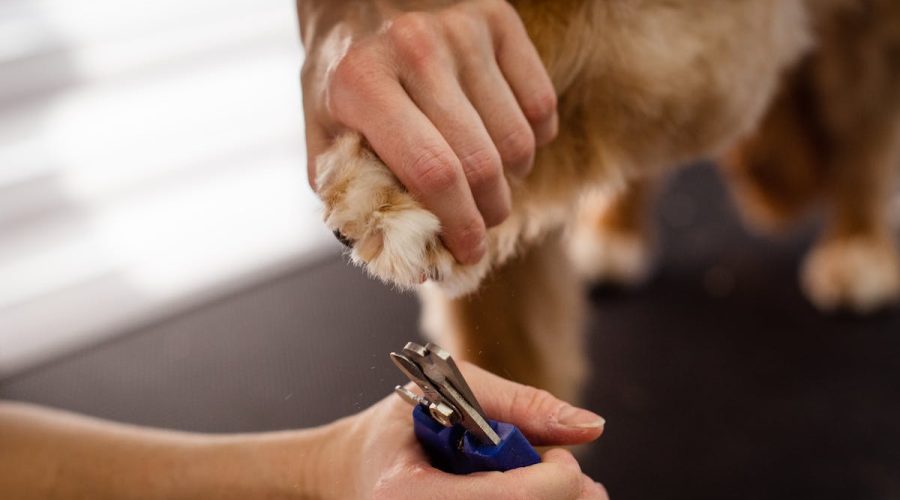
Taking care of a puppy involves more than feeding, training, and playtime. Grooming is also an important part of keeping your puppy healthy and comfortable. One grooming task that many new dog owners feel nervous about is learning how to trim puppy nails safely. While it may seem difficult at first, trimming your puppy’s nails is actually a simple process once you understand the basics.
Puppies grow quickly, and so do their nails. If nails become too long, they can cause discomfort while walking or running. Long nails may also scratch floors, furniture, or even people during play. Regular nail trimming helps prevent these problems and keeps your puppy’s paws in good condition. With patience, the right tools, and a gentle approach, trimming puppy nails can become a normal and stress-free routine for both you and your pet.
Learn More: How to Build a Strong Bond with Your Puppy
Many people assume nail trimming is only about appearance, but it actually plays a major role in a dog’s health. When nails grow too long, they begin to touch the ground constantly. This can affect the way your puppy stands and walks. Over time, long nails can place pressure on the toes and joints, which may lead to discomfort or posture issues.
Another reason to keep nails short is safety. Puppies are naturally energetic and love to run, jump, and explore. Long nails can easily catch on carpets, blankets, or outdoor surfaces. When that happens, a nail can tear or break, which is painful and may require veterinary care.
Regular nail trimming also protects you and your family. Puppies often use their paws while playing, and sharp nails can cause accidental scratches. Keeping the nails trimmed reduces this risk and makes playtime more enjoyable. For most puppies, trimming nails every few weeks is enough to keep them at a healthy length.
Before you start trimming nails, it helps to understand the structure of a puppy’s nail. Knowing where it is safe to cut can prevent mistakes and make the process much easier.
A puppy’s nail is not just a hard outer shell. Inside the nail is a sensitive area called the quick, which contains blood vessels and nerves. Cutting into this area can cause pain and bleeding, so it is important to avoid it.
The quick is the soft inner part of the nail that supports nail growth. In puppies with light-colored nails, the quick is usually visible as a pink section inside the nail. This makes it easier to know where to stop trimming.
However, puppies with dark nails have a hidden quick that cannot be seen easily. In those cases, trimming small amounts at a time is the safest approach. Slowly removing tiny pieces helps prevent cutting too deeply.
Ideally, your puppy’s nails should not touch the ground when they are standing normally. If you hear a clicking sound when your puppy walks across a hard floor, that is often a sign the nails are too long. Keeping them short ensures your puppy can walk and run comfortably.
Using the right grooming tools makes nail trimming safer and more effective. There are two main tools commonly used for trimming puppy nails.
Most dog owners use nail clippers designed specifically for pets. There are two popular types:
Both types can work well, so choosing one often depends on personal preference and comfort.
Besides clippers, a few additional items can make the process easier:
Having these supplies ready before starting helps keep the trimming session calm and organized.
Preparation is one of the most important parts of grooming. Puppies are naturally curious and sometimes nervous about new experiences, so introducing nail trimming slowly can make a big difference.
Start by getting your puppy comfortable with having their paws touched. Gently hold each paw for a few seconds while offering praise or treats. Doing this regularly helps your puppy learn that paw handling is normal and safe.
You should also allow your puppy to see and sniff the nail clippers before using them. This helps remove fear and builds trust. When your puppy feels relaxed, the actual trimming process becomes much easier.
Choosing a quiet location also helps. A calm environment without distractions allows your puppy to focus and stay relaxed during grooming.

Once your puppy is comfortable, you can begin trimming the nails. Working slowly and patiently will help create a positive experience.
Place your puppy in a comfortable position, either sitting or lying down. Some owners prefer placing the puppy on their lap while others trim nails on the floor. The goal is to keep the puppy relaxed and stable.
Look closely at the nail and locate the quick if it is visible. Always cut slightly below this area. If the quick cannot be seen, trim only a very small portion of the nail tip.
Instead of cutting a large piece at once, trim small sections gradually. This method reduces the risk of cutting the quick and keeps your puppy comfortable.
After trimming each nail or paw, give your puppy a treat and praise. Positive reinforcement helps them associate nail trimming with a pleasant experience.
Even experienced dog owners occasionally cut the quick by mistake. If this happens, do not panic. A small amount of bleeding is normal and can be stopped quickly.
Applying styptic powder or cornstarch to the nail usually stops the bleeding within a few minutes. Keep your puppy calm and offer reassurance while the bleeding stops. With practice, these accidents become less likely.
Many grooming mistakes happen because owners rush the process. Cutting too much nail at once is the most common error. Always trim slowly and carefully.
Another mistake is trimming nails only when they become extremely long. Regular maintenance is easier and less stressful for your puppy. Skipping trims for long periods makes the quick grow longer as well, which increases the risk of cutting it.
Finally, avoid forcing your puppy to stay still. If they become anxious or restless, take a short break and try again later.
Making nail trimming a positive routine can save both you and your puppy from stress. One helpful strategy is starting grooming early in puppyhood. Puppies that learn grooming habits early usually accept them easily as adults.
Short grooming sessions also help. Instead of trimming all nails at once, you can trim a few nails at a time. This keeps the experience quick and manageable.
Consistency is another key factor. Regular trimming sessions help your puppy get used to the process, making future grooming easier and faster.
Learning how to trim puppy nails safely is an essential skill for every dog owner. While it may feel intimidating at first, it quickly becomes easier with patience and practice. Regular nail trimming keeps your puppy comfortable, prevents injuries, and supports healthy paw development.
By understanding nail anatomy, using the right tools, and creating a calm grooming environment, you can make nail trimming a simple and stress-free routine. Over time, your puppy will become familiar with the process and may even learn to stay relaxed during grooming sessions.
1. How often should I trim my puppy’s nails?
Most puppies need their nails trimmed every 3 to 4 weeks, depending on their activity level and nail growth.
2. Can I use human nail clippers on a puppy?
It is better to use dog nail clippers because they are designed for the thickness and shape of canine nails.
3. What happens if puppy nails are not trimmed?
Overgrown nails can cause discomfort, affect walking posture, and increase the risk of injury.
4. How can I calm my puppy during nail trimming?
Using treats, praise, and a calm environment can help your puppy feel more relaxed during grooming.
5. Is it better to trim or grind puppy nails?
Both methods work well. Clippers are faster, while grinders help smooth the edges of the nails.


516 Columbia Blvd
Sonoma, CA 21202

Office: 772-619-6309
Inquiries: 772-619-6432

Mon - Fri: 9am - 8pm
Sat - Sun: Closed