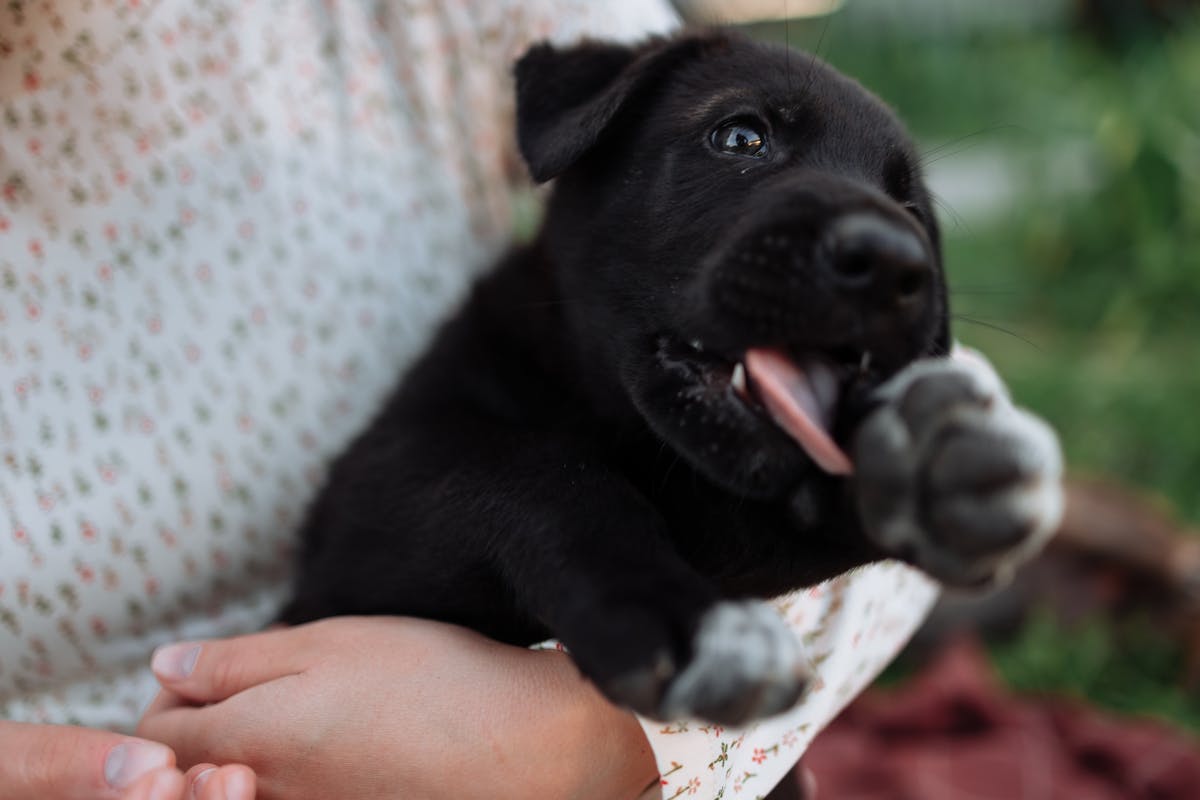

Bringing a puppy into your home feels like welcoming a tiny ball of joy with endless energy and curiosity. But soon enough, that sweet little face starts gnawing on everything in sight—shoes, furniture, and sometimes even your hands. If you’re wondering why your puppy suddenly turned into a chewing machine, the answer is simple: teething.
Understanding puppy teething signs is essential for every pet parent. Teething can be uncomfortable and frustrating for puppies, and without guidance, it can also become stressful for owners. The good news? With the right knowledge and tools, you can help your puppy get through this stage safely and comfortably.
This complete guide explains the signs of puppy teething, what to expect, and what you can do to make the process easier for both of you.
Understanding Puppy Teething
Puppy teething is a natural developmental stage where baby teeth fall out and permanent adult teeth grow in. Puppies are born without teeth. Their first set of teeth, called milk teeth, usually appear between 2 and 4 weeks of age. These baby teeth are sharp but temporary.
By the time a puppy reaches 3 to 4 months old, those baby teeth begin to loosen and fall out, making room for adult teeth. This transition can cause sore gums, mild pain, and a strong urge to chew.
Just like human babies chew on toys to soothe their gums, puppies chew to relieve pressure and discomfort. Chewing is their way of coping with a mouth that feels itchy, swollen, and sensitive.
Learn More: How to Prevent Puppy Chewing Disasters on Furniture & Shoes
Why Puppy Teething Signs Matter
Recognizing puppy teething signs early helps you respond correctly instead of assuming your puppy is misbehaving. Many owners punish chewing without realizing it’s linked to discomfort. This can confuse and stress the puppy, making training harder.
When you understand what’s happening, you can:
- Provide safe chewing alternatives
- Prevent destructive behavior
- Protect your puppy’s oral health
- Build trust instead of frustration
Teething is temporary, but your response can shape long-term habits.
When Puppies Start Teething
Most puppies begin teething around 12 to 16 weeks of age. This process continues until they are about 6 to 7 months old, when all adult teeth have usually come in.
The timeline generally looks like this:
- 2–4 weeks: Baby teeth appear
- 3–4 months: Baby teeth start falling out
- 4–6 months: Adult teeth grow in
- 6–7 months: Teething phase ends
Some puppies may finish earlier or later depending on breed and size. Smaller breeds often finish teething sooner than larger breeds.

Common Puppy Teething Signs
Teething affects puppies physically and behaviorally. Here are the most noticeable signs.
Excessive Chewing
This is the most obvious and common sign. Puppies chew furniture, shoes, carpets, and anything they can reach. They’re not trying to be naughty—they’re trying to soothe sore gums.
Chewing applies pressure to the gums, which helps reduce pain and irritation. Unfortunately, your favorite couch might become their target if no chew toys are available.
Swollen or Red Gums
If you gently lift your puppy’s lips, you may notice red, swollen gums. This inflammation is caused by new teeth pushing through the gum line.
Some puppies also develop small bumps where adult teeth are emerging.
Drooling More Than Usual
Teething often causes increased saliva production. If your puppy is drooling excessively or leaving wet spots on the floor, teething could be the reason.
Drooling is a natural response to gum irritation and usually stops once adult teeth settle in.
Whining and Irritability
Just like babies cry when teething, puppies may become cranky. They might whine, seem restless, or show signs of frustration.
Your puppy may want more attention or become clingy during this time. Think of it as their way of saying, “My mouth hurts.”
Loss of Appetite
Sore gums can make eating uncomfortable. Some puppies eat less or avoid hard kibble entirely. They may chew slowly or drop food while eating.
This is usually temporary and improves once the discomfort fades.
Blood Spots on Toys
You might notice tiny blood stains on chew toys. This can look alarming, but it’s often normal. When baby teeth loosen and fall out, slight bleeding can occur.
As long as bleeding is minimal, it’s not usually a cause for concern.
Bad Breath
Teething can cause mild bad breath due to bacteria buildup around sore gums. While puppy breath is usually tolerable, strong or persistent odor could signal infection and should be checked by a vet.
Pawing at the Mouth
Some puppies rub their face with their paws or scratch around their mouth. This behavior indicates discomfort and irritation in the gums.
Behavioral Changes During Teething
Teething doesn’t just affect the mouth—it changes behavior too.
Destructive Chewing Habits
Without proper chew toys, puppies may turn to furniture, electrical cords, or walls. This is why puppy-proofing your home during teething is essential.
Sleep Disturbances
Discomfort can disrupt sleep. Puppies may wake up more often or have trouble settling down.
How Long Teething Lasts
The teething phase usually lasts between 3 and 4 months. While it feels endless at times, it does pass.
Once adult teeth are fully grown, chewing behavior typically decreases—although some dogs remain enthusiastic chewers by nature.
What to Do When Your Puppy Is Teething
Helping your puppy through teething is about comfort, safety, and consistency.
Provide Safe Chew Toys
Chew toys are essential during teething. They give your puppy something appropriate to bite instead of your belongings.
Good chew toys should be:
- Durable
- Non-toxic
- Designed for puppies
- Soft enough for sensitive gums
Rubber toys, rope toys, and puppy-specific teething toys work best.
Offer Frozen Treats for Relief
Cold helps numb sore gums. You can freeze:
- Wet washcloths
- Puppy-safe rubber toys
- Carrot sticks
Frozen items act like ice packs for your puppy’s mouth.
Gentle Gum Massage
Using a clean finger or soft cloth, gently massage your puppy’s gums. This can soothe irritation and reduce inflammation.
Switch to Soft Food
If your puppy struggles with hard kibble, soak it in warm water or offer soft food temporarily. This makes eating easier and less painful.
What Not to Do During Teething
Avoid common mistakes that can harm your puppy.
Avoid Hard or Dangerous Objects
Never give bones, stones, or hard plastic toys that can crack teeth. Also avoid items that can splinter or be swallowed.
Never Punish Chewing
Punishing a teething puppy creates fear and confusion. Instead, redirect chewing to appropriate toys and reward good behavior.
Protecting Your Home
Puppy-proofing is critical during teething.
- Remove shoes and small objects
- Cover electrical cords
- Block access to furniture
- Use bitter sprays on problem areas
Redirect your puppy whenever they chew something inappropriate.
Dental Care During Teething
Teething is a perfect time to start dental habits.
Brushing Puppy Teeth
Use a puppy-safe toothbrush and toothpaste. Start slowly and make it fun. Even brushing a few times a week helps prevent plaque buildup.
Vet Checkups
Your veterinarian can check if teeth are growing correctly and identify problems like retained baby teeth or infections.
When to See a Veterinarian
Seek professional help if you notice:
- Heavy bleeding
- Swollen face or jaw
- Refusal to eat for more than 24 hours
- Fever
- Persistent bad breath
- Broken teeth
These signs may indicate infection or dental issues beyond normal teething.
Common Myths About Puppy Teething
Many people believe teething causes serious illness. In reality, mild discomfort is normal, but fever, diarrhea, or extreme lethargy are not caused by teething and should be evaluated by a vet.
Another myth is that puppies outgrow chewing completely. Some dogs remain chewers well into adulthood, so training and toys remain important.
Benefits of Proper Teething Care
Handling teething the right way:
- Builds healthy chewing habits
- Prevents dental disease
- Strengthens trust
- Reduces destructive behavior
- Improves long-term oral health
Your patience now pays off for years to come.
Conclusion
Teething is one of the most challenging but natural stages of puppyhood. Understanding puppy teething signs allows you to respond with care instead of frustration. From excessive chewing and swollen gums to drooling and irritability, these signs are your puppy’s way of saying, “My mouth hurts—help me out.”
With safe chew toys, cold treats, gentle care, and consistent training, you can guide your puppy through this phase smoothly. Remember, teething doesn’t last forever, but the habits you teach during this time can shape your dog’s future behavior.
Patience, love, and preparation are your best tools. Before you know it, those sharp baby teeth will be gone—and your puppy will be smiling with a healthy adult grin.
FAQs
1. How do I know if my puppy is teething or just chewing for fun?
If chewing is constant, combined with drooling, swollen gums, and irritability, it’s likely teething rather than play behavior.
2. Can teething cause diarrhea in puppies?
Mild changes in appetite can occur, but diarrhea is not normal for teething. Consult a vet if it happens.
3. What is the best toy for a teething puppy?
Soft rubber chew toys, frozen toys, and puppy-specific teething toys are safest and most effective.
4. Should I pull out loose baby teeth?
No. Baby teeth usually fall out naturally. Pulling them can cause pain or infection.
5. How long until my puppy stops teething?
Most puppies finish teething by 6 to 7 months of age.