
Why Leash Training Your Puppy Is Essential for Safety and Behavior
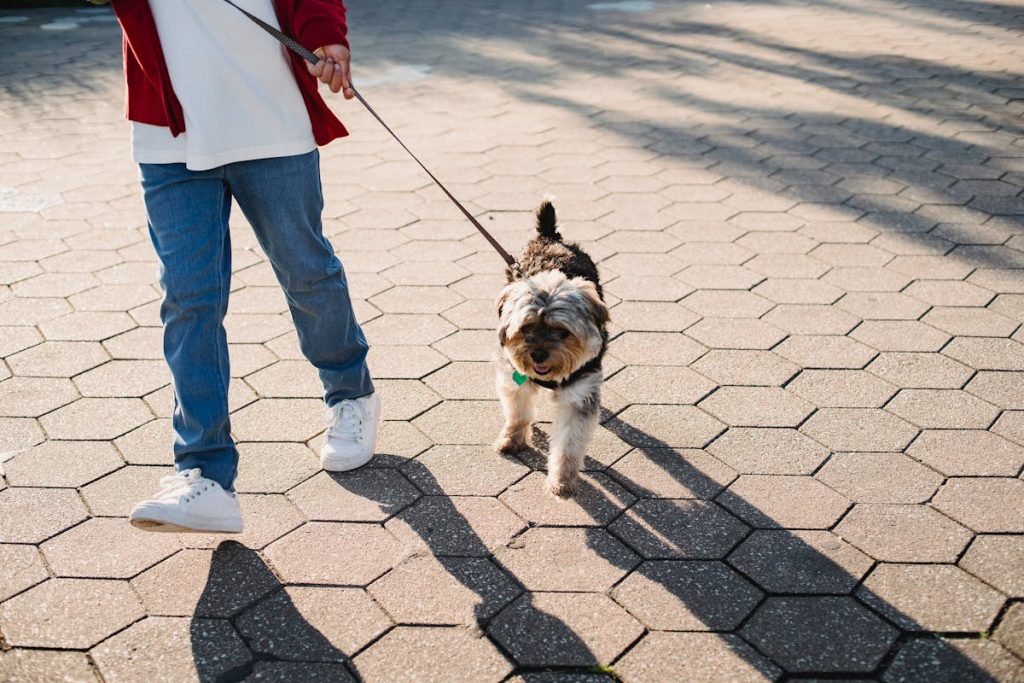
Leash training your puppy is not just about teaching them how to walk beside you. It is one of the most important foundations for raising a well-behaved and confident dog. Without proper leash training, even a simple walk can turn into a chaotic experience filled with pulling, distractions, and frustration. A trained puppy, on the other hand, understands boundaries and responds to your guidance, making every outing enjoyable.
Safety is one of the biggest reasons why leash training matters. Puppies are naturally curious and easily distracted by sounds, smells, and movement. Without control, they may run toward traffic, chase other animals, or approach unfamiliar people. A leash acts as a direct line of communication, helping you guide your puppy and prevent dangerous situations before they happen.

When to Start Leash Training a Puppy for Best Results
Starting leash training at the right time can make the entire process smoother and more effective. Most experts recommend beginning as early as 8 weeks old. At this stage, puppies are highly receptive to new experiences and can quickly adapt to basic training routines. Early exposure helps them develop positive habits before unwanted behaviors take root.
That said, timing is not just about age. It is also about readiness. Your puppy should feel comfortable wearing a collar or harness before introducing a leash. If they are constantly scratching, biting, or trying to remove it, take a step back and allow them to adjust gradually. Rushing this stage can create negative associations that make training harder later.
Another sign that your puppy is ready is their level of curiosity and responsiveness. Puppies that follow you around, respond to their name, and show interest in their surroundings are usually more prepared for leash training. Keeping sessions short and positive is key at this stage. Even a few minutes a day can build confidence and set the foundation for successful training.
Best Tools for Leash Training a Puppy Successfully
Choosing the right tools can make a significant difference in how quickly and effectively your puppy learns leash training. A standard leash that is about 4 to 6 feet long is ideal for beginners. It gives you enough control while still allowing your puppy some freedom to explore. Avoid retractable leashes in the early stages, as they can encourage pulling and reduce control.
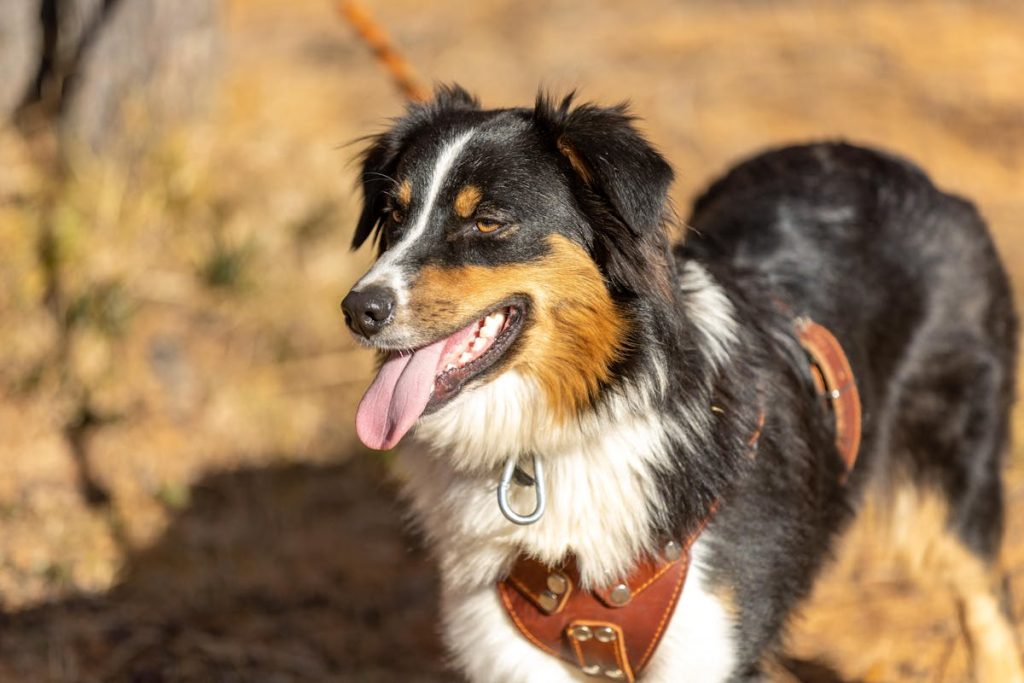
When it comes to harnesses and collars, many trainers recommend starting with a harness. Harnesses distribute pressure across the body rather than the neck, making them safer and more comfortable, especially for small or energetic puppies. Collars can still be used, but they should fit properly and not cause discomfort.
Step-by-Step Leash Training Puppy Guide for Beginners
Leash training becomes much easier when you follow a structured approach. The first step is introducing your puppy to a collar or harness. Let them wear it around the house for short periods while offering treats and praise. This helps them associate the gear with positive experiences rather than discomfort.
Once your puppy is comfortable, attach the leash and allow them to drag it around indoors under supervision. This step helps them get used to the sensation without feeling restricted. After that, gently hold the leash and encourage your puppy to follow you using treats or toys. Keep the environment calm and distraction-free to help them focus.
Practicing indoors before moving outside is crucial. Indoor training allows your puppy to learn basic commands without overwhelming distractions. Once they can walk calmly indoors, gradually introduce outdoor environments. Start with quiet areas and slowly increase exposure to more stimulating settings.
Consistency is key throughout this process. Short, frequent sessions are far more effective than long, irregular ones. With patience and repetition, your puppy will learn to walk calmly by your side, making every walk a pleasant experience.
Common Leash Training Puppy Problems and Easy Fixes
Leash training is not always smooth, and most puppy owners face common challenges along the way. One of the most frequent issues is pulling. Puppies tend to pull because they are excited and want to explore. The best way to address this is to stop walking whenever the leash becomes tight. Resume walking only when the leash is loose, teaching your puppy that pulling does not get them where they want.
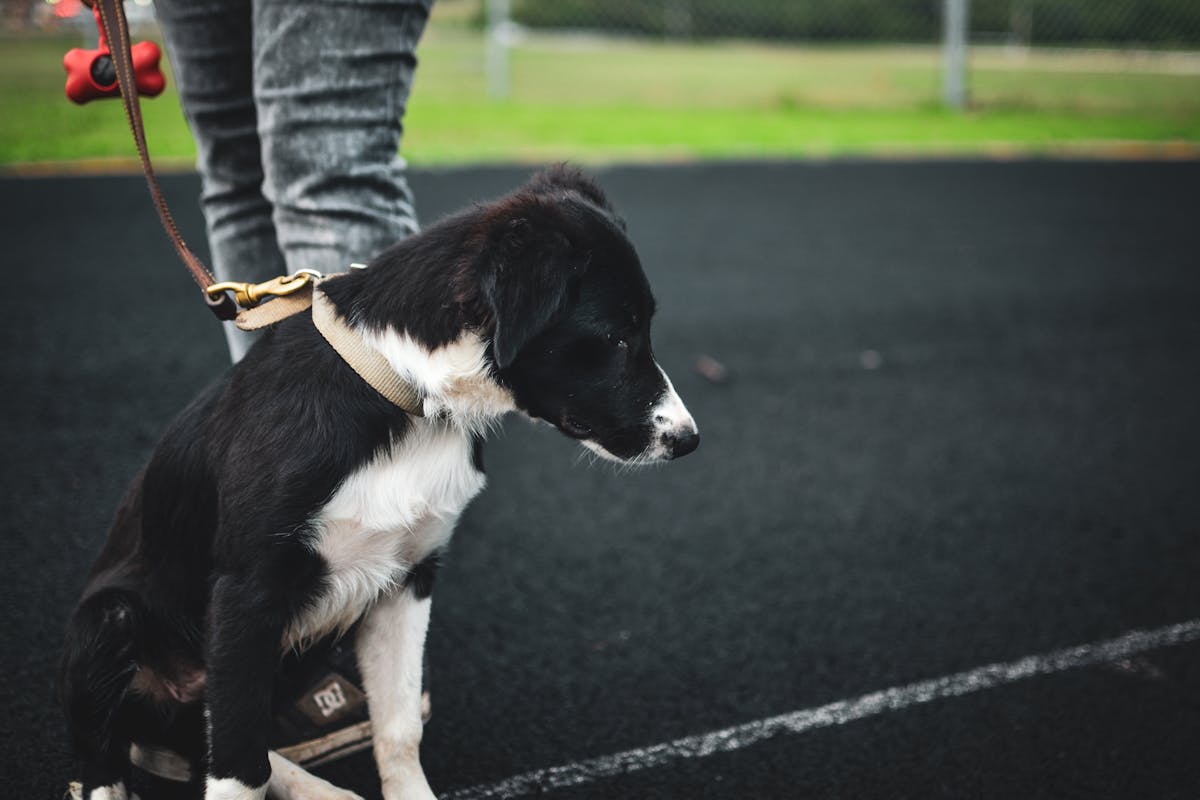
Another common problem is refusal to walk. Some puppies may sit, lie down, or resist movement altogether. This usually happens when they feel unsure or overwhelmed. Instead of pulling them forward, use treats, toys, or an encouraging voice to motivate them. Building confidence takes time, so patience is essential.
Leash biting is another behavior that many owners struggle with. Puppies often bite the leash out of curiosity or boredom. Redirect their attention to a toy or treat whenever this happens. Consistency in redirection helps them learn appropriate behavior over time.
Expert Tips to Make Leash Training Your Puppy Faster and Easier
Leash training does not have to be difficult if you use the right techniques. Positive reinforcement is one of the most effective methods. Reward your puppy every time they walk calmly beside you. This reinforces good behavior and encourages them to repeat it.
Keeping training sessions short is equally important. Puppies have limited attention spans, so long sessions can lead to frustration and fatigue. Aim for 5 to 10 minutes per session and gradually increase as your puppy improves. Ending each session on a positive note keeps your puppy motivated and eager to learn.
Consistency is another critical factor. Using the same commands, rewards, and routines helps your puppy understand what is expected. Over time, these small efforts lead to significant progress and a well-trained dog.
Top Mistakes to Avoid During Leash Training a Puppy
Many puppy owners unintentionally make mistakes that slow down the training process. One common mistake is pulling the leash too hard, which can create fear or discomfort. Gentle guidance is far more effective and builds trust.
Inconsistency is another major issue. Allowing your puppy to pull sometimes but not others creates confusion. Clear and consistent rules help reinforce learning. Skipping training sessions or expecting immediate results can also lead to frustration.
Avoid using punishment during leash training. Negative experiences can damage your puppy’s confidence and make them resistant to learning. A positive approach always yields better long-term results.
How Long Does It Take to Leash Train a Puppy Successfully
Leash training timelines vary depending on the puppy’s age, breed, and personality. Some puppies may start showing improvement within a few days, while others may take several weeks. Consistency and patience are the most important factors in determining success.
Most puppies begin to walk calmly on a leash within two to four weeks of regular training. However, mastering behavior in different environments may take longer. Gradual exposure to distractions helps your puppy adapt and build confidence.
Instead of focusing on speed, focus on progress. Celebrate small improvements and remain patient throughout the process. Every puppy learns at their own pace.
Conclusion:
Leash training is an essential skill that sets the foundation for a lifetime of safe and enjoyable walks. By starting early, using the right tools, and following a structured approach, you can transform leash training into a positive experience for both you and your puppy.
Patience, consistency, and positive reinforcement are the keys to success. With time and effort, your puppy will learn to walk calmly by your side, turning everyday walks into moments of bonding and joy.
FAQs
1. What is the best age to start leash training a puppy?
You can begin leash training as early as 8 weeks old with short, positive sessions.
2. Should I use a harness or collar for leash training?
A harness is generally safer and more comfortable for puppies, especially beginners.
3. How do I stop my puppy from pulling on the leash?
Stop walking when your puppy pulls and reward them when the leash is loose.
4. Why does my puppy refuse to walk on a leash?
This is usually due to fear or unfamiliarity. Use encouragement and patience to build confidence.
5. How long should leash training sessions be?
Keep sessions between 5 to 10 minutes to maintain focus and effectiveness.