
Introduction to Australian Shepherds
Are you considering bringing a new furry friend into your life? Australian Shepherds are among the most popular breeds in the United States. Their energetic, intelligent, and affectionate nature makes them stand out, but they are not for everyone. Understanding the Australian Shepherd pros and cons helps potential owners make informed decisions before adoption.
Why Understanding Pros and Cons Matters Before Adoption
Owning a dog is a long-term commitment. Australian Shepherds live for 12–15 years on average, and their unique needs can overwhelm unprepared owners. Knowing what you’re getting into ensures a happy relationship for both you and your dog.
Australian Shepherd Overview
Breed History and Origins
Australian Shepherds, despite the name, were developed in the United States in the 19th century to herd livestock. They are closely associated with ranches and farm life, excelling in agility and obedience competitions.
Popularity and Typical Owners
This breed appeals to active families, ranchers, and dog enthusiasts who enjoy outdoor activities. Their intelligence and trainability make them excellent working dogs and companions for energetic households.
Physical Characteristics of Australian Shepherds
Size, Coat, and Colors
- Medium-sized dog
- Height: 18–23 inches
- Weight: 40–65 pounds
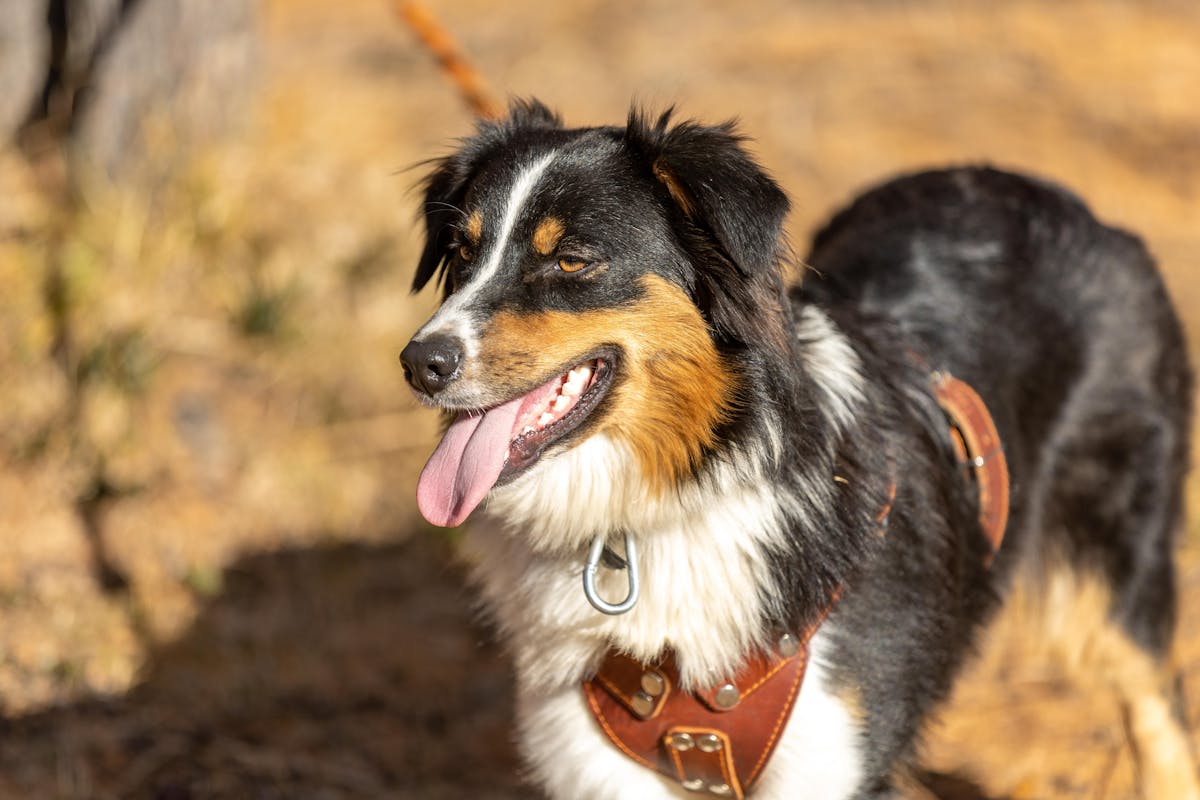
- Coat: Medium-length, double coat
- Common Colors: Blue merle, red merle, black, red, often with white markings and copper points
Lifespan and Health Overview
Australian Shepherds typically live 12–15 years. They are generally healthy but prone to specific genetic conditions like hip dysplasia and eye disorders.
Personality and Temperament
Intelligence and Trainability
These dogs are highly intelligent and quick learners. They thrive on structured training and mental stimulation. Obedience, agility, and herding competitions come naturally to them.
Social Behavior with Families and Other Pets
Australian Shepherds are loyal, affectionate, and protective of their family. Early socialization ensures they interact well with children and other pets. Without it, they may display herding behaviors like nipping or chasing.
Pros of Owning an Australian Shepherd
High Intelligence and Trainability
These dogs learn commands quickly and excel in advanced training, making them perfect for active owners who enjoy teaching tricks or engaging in dog sports.
Loyalty and Protective Nature
They are naturally devoted to their family and make excellent watchdogs, alerting owners to unusual activity.
Athletic and Energetic Lifestyle Companion
If you love running, hiking, or outdoor activities, Australian Shepherds make energetic and enthusiastic partners.
Cons of Owning an Australian Shepherd
High Energy Levels and Exercise Needs
Without sufficient physical and mental activity, these dogs may become bored, anxious, or destructive. They require daily exercise and interactive play.
Grooming and Shedding Requirements
Their double coat sheds year-round and needs regular brushing to prevent mats and hair buildup. Occasional professional grooming is also recommended.
Potential Behavioral Issues if Bored or Understimulated
Under-stimulated Australian Shepherds may exhibit behaviors like excessive barking, chewing, or herding children and other pets.
Training and Socialization Needs
Early Puppy Training Tips
Start training early with positive reinforcement methods. Short, consistent sessions help prevent behavioral problems later.
Socialization With Kids, Pets, and Strangers
Expose your Australian Shepherd puppy to a variety of people, pets, and environments to ensure a well-rounded adult dog.
Exercise Requirements
Daily Physical Activity Recommendations
At least 1–2 hours of vigorous activity daily is ideal, including walking, running, or agility exercises.
Mental Stimulation and Games
Puzzle toys, obedience training, and interactive games prevent boredom and strengthen the bond between owner and dog.
Health Considerations
Common Health Issues
- Hip and elbow dysplasia
- Eye conditions like cataracts or collie eye anomaly
- Epilepsy in some lines
Preventive Care and Vet Checkups
Regular vet visits, vaccinations, and proper diet reduce health risks. Genetic testing may also be considered when adopting.
Living Environment Considerations
Apartment vs House With Yard
While they can adapt to apartments, Australian Shepherds thrive in homes with space to run and play. A securely fenced yard is ideal.
Adaptability to Urban and Rural Settings
They are adaptable but prefer environments where they can exercise regularly and engage their intelligence.
Cost of Owning an Australian Shepherd
Initial Adoption or Purchase Costs
Adoption costs range from $300–$600, while purebred puppies may cost $800–$2,000 depending on lineage and breeder reputation.
Ongoing Care, Food, and Vet Expenses
Expect monthly expenses for food, grooming, toys, and healthcare to average $100–$150, potentially more for health issues.
Who Should Consider an Australian Shepherd?
- Active individuals or families
- Those willing to invest time in training and socialization
- Owners who enjoy outdoor activities
Who Might Not Be the Best Fit
- Inactive households
- People without time for daily exercise
- Owners seeking a low-maintenance lapdog
Conclusion
Australian Shepherds are intelligent, loyal, and energetic dogs that make excellent companions for active families. They offer incredible rewards for those who meet their physical, mental, and social needs. Understanding the Australian Shepherd pros and cons helps potential owners make informed decisions and ensures a long, happy relationship with this remarkable breed.
FAQs
Are Australian Shepherds good with children?
Yes, with proper socialization, they are affectionate and protective with kids.
Do Australian Shepherds shed a lot?
Yes, their double coat sheds year-round and requires regular brushing.
How much exercise do Australian Shepherds need?
They need at least 1–2 hours of vigorous activity daily.
Are Australian Shepherds easy to train?
Yes, their high intelligence makes them quick learners, but consistency is key.
What are common health issues in Australian Shepherds?
Hip dysplasia, eye disorders, and epilepsy are some common health concerns.