
123-456-7890
Call us today

123-456-7890
Call us today



If you own a Poodle, you already know they are one of the smartest, most elegant, and loving dogs out there. But did you know they thrive best when life is structured? Just like humans, Poodles feel secure and happy when they have a predictable routine. From feeding times to exercise and grooming, a consistent daily schedule keeps them healthy, mentally sharp, and well-behaved.
Before creating a routine, it’s important to understand the type of Poodle you have. Poodles come in three sizes: Toy, Miniature, and Standard.
Your Poodle’s size, age, and personality all play a role in shaping their perfect daily schedule.
Mornings set the tone for your Poodle’s entire day, and starting with the right routine helps them feel balanced and happy. As soon as your Poodle wakes up, begin with a potty break to let them relieve themselves and stretch their legs. This not only prevents accidents indoors but also kickstarts their energy for the day.
Next, go for a morning walk or light exercise session. For Toy and Miniature Poodles, a 15–30 minute walk is usually enough to satisfy their early burst of energy. Standard Poodles, being larger and more athletic, often benefit from a longer 30–45 minute brisk walk or even a short jog alongside you. Morning activity clears their mind, reduces restlessness, and prevents destructive behavior later in the day.
Poodles do best on a structured feeding routine.
Avoid free-feeding since Poodles can overeat, leading to obesity. Stick with high-quality protein, healthy fats, and fiber-rich foods. Never feed chocolate, grapes, onions, or heavily processed human foods.
Poodles are energetic, and without exercise, they can become restless or destructive.
Mix outdoor walks with indoor games like fetch or hide-and-seek to keep them entertained.
Poodles are highly intelligent and crave mental challenges. Physical exercise alone won’t be enough. Use puzzle feeders, interactive toys, and obedience training to keep their minds sharp. A bored Poodle can quickly turn to chewing or barking for entertainment.
Afternoons are great for another short walk or interactive play session. Standard Poodles often have midday energy bursts, so a run in the yard or a quick game of frisbee will keep them content.
Grooming is a huge part of owning a Poodle. Their curly coats require daily brushing to prevent tangles and mats.
A well-groomed Poodle not only looks stunning but also avoids painful skin issues.
Wind down your Poodle’s day with a calm evening walk followed by dinner. After eating, let them rest before bedtime. Evening cuddles or quiet time on the couch help signal that the day is ending.
Poodles need proper rest to stay healthy.
Provide a cozy, quiet sleeping area away from disturbances so they feel safe.
Incorporate short training sessions into daily life. Whether it’s practicing sit, stay, or recall, training keeps your Poodle obedient and mentally engaged. Consistency builds confidence and strengthens your bond.
Poodles are natural social butterflies, and their playful, curious personalities thrive on interaction. But socialization isn’t just about being friendly it’s about shaping a well-balanced dog that feels confident in different environments. Without proper exposure, even a smart and affectionate Poodle may develop anxiety, shyness, or unwanted behaviors like excessive barking or fear of strangers.
From the time they are puppies, Poodles should be gradually introduced to different people, animals, sounds, and environments. This helps them learn that the world is safe and exciting rather than scary. A puppy who is socialized early is far more likely to grow into an adaptable adult dog.
Take a few minutes each day to check your Poodle’s eyes, ears, coat, and paws. Early detection of lumps, redness, or unusual behavior can save you from bigger health problems later.
Besides daily care, don’t forget monthly commitments:
Life can get hectic, but your Poodle still needs routine. If you’re busy:
Consistency matters more than perfection—just do your best to stick to a pattern.
A Poodle’s daily routine isn’t just about feeding and walking—it’s about creating balance. When your Poodle gets the right mix of exercise, mental stimulation, grooming, and rest, they thrive both physically and emotionally. With a structured schedule, you’ll have a happy, healthy, and well-mannered companion for years to come.
1. How many times a day should I walk my Poodle?
Most Poodles do well with two walks a day, but Standard Poodles may need longer sessions.
2. Can Toy Poodles get enough exercise indoors?
Yes, short play sessions and interactive toys indoors are often enough for Toy Poodles.
3. How often should I bathe my Poodle?
Every 2–3 weeks is ideal, but always brush daily to prevent mats.
4. Is dry food or wet food better for Poodles?
High-quality dry kibble helps with dental health, but mixing in wet food occasionally adds variety.
5. Do Poodles need professional grooming?
Yes, every 4–6 weeks. Their coats grow continuously and need expert trimming.
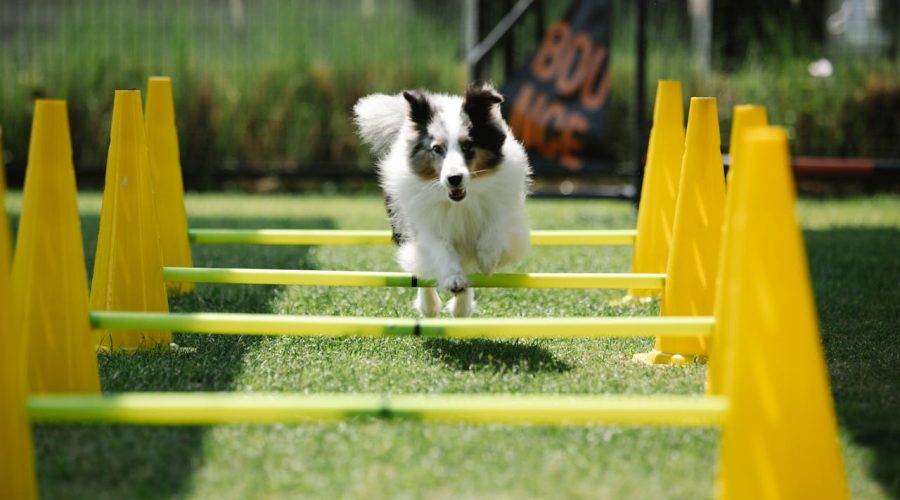
The Bearded Collie, with its signature shaggy coat and endless enthusiasm, isn’t just a pretty face—it’s a high-energy herding dog that needs to move. A lot. If you’re lucky enough to share your life with one of these bouncy pups, understanding their exercise needs is key to their happiness and your sanity.
So how do you keep this playful herding breed fit? Let’s dive into everything you need to know to keep your Beardie happy, healthy, and out of trouble.
Originally bred in the Scottish Highlands to herd sheep and cattle, the Bearded Collie’s drive to do something is hardwired. This isn’t a lapdog—it’s a task-oriented, go-go-go breed that thrives when given a job.
That herding instinct translates into a need for purposeful movement. Your Beardie doesn’t just want to run—they want to chase, fetch, herd, and explore. Ignoring that urge? That’s when the trouble (chewing, barking, zoomies) begins.
Too little? You’ll notice boredom, hyperactivity, or destructive behavior.
Too much? Limping, reluctance to move, or excessive panting.
Bearded Collies are excellent walking or hiking companions. Their stamina is impressive, and they’ll enjoy sniffing and trotting alongside you for miles.
Secure, fenced areas allow them to let loose. Just be mindful of their tendency to herd other dogs—it’s in their nature!
Games like fetch or frisbee tap into their love of chasing and give them a great cardio workout.
Don’t underestimate the power of a food-dispensing toy. It can keep your Beardie engaged for hours and burn mental energy.
Hide treats around the house or yard and let them sniff them out—it’s fun, fulfilling, and taps into natural instincts.
Teach new commands, tricks, or even simple agility setups at home to keep their brain ticking.
These sports are perfect for high-energy dogs. Agility courses, jumps, and tunnels keep them physically and mentally fit.
Let them do what they were born for! Herding events provide a safe space for Beardies to showcase their natural skills.
A great way to bond and train simultaneously while fulfilling their desire to “work.”
Mix things up—walks in the morning, fetch in the afternoon, puzzle games in the evening.
Bad weather? No problem. Play tug-of-war, run up stairs, or hide toys indoors to keep them active.
Avoid intense activity during the heat of the day. Brush regularly to prevent matting, and ensure hydration.
Their coat provides decent insulation. Use raincoats or booties if needed, or opt for indoor games and treadmill walks.
Avoid jumping or intense running until they’re fully grown (usually around 12–18 months).
Heavy panting, drooling, or lying down suddenly? Time to stop and rest.
A tired Beardie is a calm Beardie. Exercise curbs anxiety, excessive barking, and even separation distress.
Chewed shoes or shredded pillows? Likely a bored dog. Physical and mental activity curbs the chaos.
Early-morning walks, weekend trips to parks, and interactive indoor play are your best friends.
Meeting new dogs and people keeps Beardies confident and well-adjusted.
A few hours at daycare a couple of times a week can do wonders for their social and physical well-being.
Beardies and kids are a great match—supervised games like fetch or agility courses are fun for both.
Training, playing, and walking together strengthen your bond and improve trust.
Skipping too many days of exercise can lead to pent-up energy—and chaos.
Physical activity alone isn’t enough. Combine movement with thinking games.
Bearded Collies are intelligent, joyful, and full of energy—but they need the right balance of physical and mental exercise to thrive. Whether it’s a long hike, a fast-paced game of fetch, or a puzzle toy indoors, staying active keeps your Beardie happy and your home peaceful.
If you’re ready to commit to their exercise needs, you’re in for a lifetime of loyalty, fun, and furry adventures.
Not really. They’re happiest when active. A tired Beardie might enjoy lounging, but they need daily activity to stay balanced.
Try hide-and-seek, puzzle feeders, indoor fetch, and stair games. Mental tasks can be just as draining as physical ones.
Yes! If they enjoy water, swimming is a fantastic low-impact workout that’s easy on the joints.
Absolutely, once fully grown. They make great jogging partners—but build up distance slowly and always watch for fatigue.
Mornings and evenings are ideal, especially in warmer months. Aim for a consistent routine your dog can look forward to.
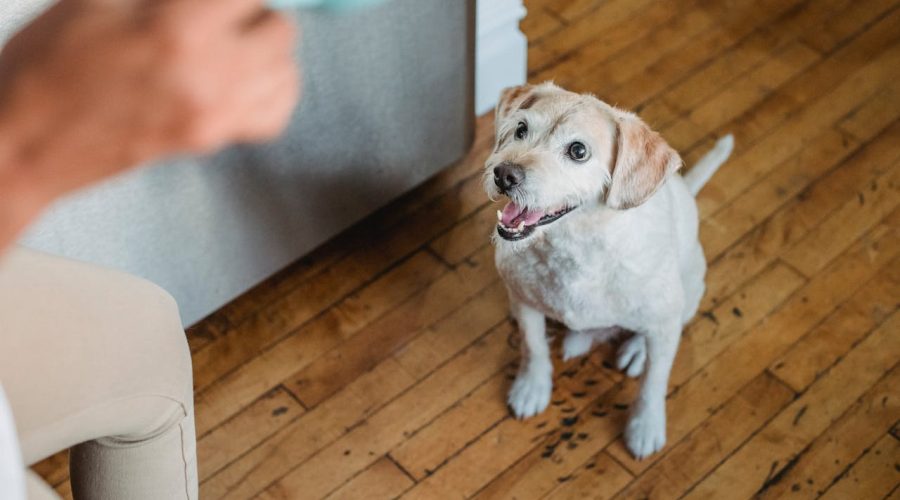
Bringing home a new puppy is one of life’s most exciting moments, but with that adorable face comes a big responsibility socialization. It’s not just about playing with other dogs; it’s about raising a happy, confident pup ready for the world. At Petland Summerville, we want to help you get it right from day one.
In this guide, we’ll cover everything you need to know about puppy socialization when, how, and why plus 10 expert tips to set you and your new furry friend up for success.
Puppy socialization refers to the critical developmental process during which a young dog is gradually and safely exposed to a variety of stimuli, environments, people, animals, objects, and experiences. The goal of socialization is to help your puppy become confident, calm, and well-adjusted in the diverse situations they will encounter throughout their life.
Think of socialization as your puppy’s “life skills training”. Just like children learn to interact with others, attend school, and explore the world, puppies need guided experiences that shape their understanding of what is safe, normal, and acceptable.
Properly socialized puppies are less likely to develop behavior problems like aggression, fear, and anxiety. They grow into well-adjusted dogs who are comfortable around kids, strangers, and other pets.
Socialization strengthens your puppy’s brain and emotional resilience, helping them learn faster and adapt better to new experiences. It’s the mental stimulation they crave!

Experts agree the ideal time for socialization is between 3 to 14 weeks of age. This is when your puppy is naturally curious and most open to new experiences.
Delaying socialization past 16 weeks can lead to fear-based behavior, making it harder to reverse bad habits later. Start early and stay consistent.
Petland Summerville partners with responsible breeders who begin socializing puppies right from birth. Puppies are gently handled and introduced to humans daily.From birth, puppies are gently handled every day to help them feel comfortable with human touch. This early handling is more than just cuddles—it’s the foundation for confident, well-adjusted dogs.
Puppies are introduced to safe environments, different textures, and soft voices, helping them grow into companions who are ready to bond with their new families. By starting socialization early, we ensure your puppy comes to you already familiar with positive human interaction, making the transition into your home much smoother.
All our puppies receive vet checks, vaccinations, and early exposure to sounds, sights, and gentle human interaction—giving your puppy a head start. You’ll receive a detailed health record so you know exactly what care your puppy has received and when their next check-up is due.
Our puppies experience early socialization from the start, being exposed to gentle human interaction, everyday household sounds, and safe play environments. This helps reduce fear and anxiety later in life and sets them up for easier training. By the time they meet you, they’re not only healthy but also confident, curious, and ready to become a loving member of your family.
Let your puppy explore at their own pace. Avoid overstimulation and allow breaks. Always supervise their interactions.
Take them to pet-friendly parks, stores, or friends’ houses. Gradually increase exposure while monitoring their comfort level.
Introduce your pup to people of all ages, wearing hats, sunglasses, or uniforms. Variety is key to confidence.
Organize playdates with vaccinated, friendly dogs or cats. Keep initial meetings short and positive.
Touch their paws, ears, tail, and teeth regularly. This prepares them for vet visits and grooming.
Use treats and praise when your puppy remains calm in new situations. Positive reinforcement boosts confidence.
Learn signs of stress: tucked tail, yawning, lip licking. If they’re overwhelmed, take a break.
Enroll in a puppy kindergarten class led by certified trainers. It’s great for learning social cues in a safe setting.
Loud events or crowded areas can scare young puppies. Gradual exposure is better than “throwing them in the deep end.”
Socialization is a daily habit, not a one-time event. Make it fun and engaging every day.
Don’t push your puppy to confront fears. Encourage but never force interactions.
Avoiding socialization entirely out of fear of illness can backfire. Use safe environments and follow your vet’s advice.
Q1. When should I start socializing my Petland puppy?
Start as early as 8 weeks old, following your vet’s vaccination guidance.
Q2. What are signs my puppy is overwhelmed?
Watch for signs like hiding, trembling, or excessive yawning. Give them space to recover.
Q3. Are puppy socialization classes worth it?
Yes! They provide controlled exposure to other puppies and expert guidance.
Q4. Can I socialize my puppy before all vaccinations?
Yes, but stick to safe places like your home, friends’ homes, or puppy classes with vet-approved protocols.
Q5. How long does socialization take?
It’s an ongoing process, especially during the first year.
Q6. Where can I find socialization events near Summerville, SC?
Check local pet stores, vets, or community centers for puppy meetups or training classes.
Proper puppy socialization is one of the best investments you can make in your dog’s future. With the right techniques and daily effort, your Petland Summerville puppy will grow into a happy, balanced companion. Start small, stay consistent, and enjoy the journey you’re building the foundation for a lifetime of loyalty and love.


516 Columbia Blvd
Sonoma, CA 21202

Office: 772-619-6309
Inquiries: 772-619-6432

Mon - Fri: 9am - 8pm
Sat - Sun: Closed