123-456-7890
Call us today

123-456-7890
Call us today


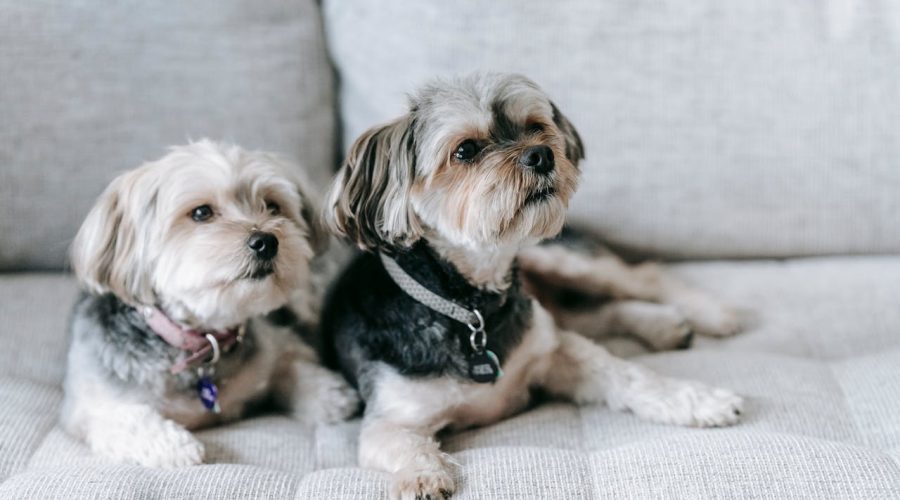
Morkies may be small in size, but when it comes to diet and nutrition, they need big attention. A crossbreed between the Maltese and the Yorkshire Terrier, Morkies are energetic, affectionate, and playful companions. Their diet plays a huge role in keeping their energy levels stable, their coats shiny, and their overall health in check. In this guide, we’ll explore the best diet and nutrition plan for your Morkie, ensuring your little buddy gets all the nourishment needed for a long and happy life.
Morkies usually weigh between 4–12 pounds, making them tiny toy-sized pups. But don’t let their size fool you—they are bundles of energy and curiosity. Because of their high activity level, they need nutrient-rich meals to fuel their bodies without overfeeding.
A proper diet impacts more than just your Morkie’s energy. It strengthens immunity, maintains a healthy coat, supports dental health, and helps prevent obesity—a common issue in small breeds.
Protein is the building block of your Morkie’s body. It aids in growth, muscle repair, and overall development. Look for high-quality sources like chicken, turkey, fish, or lamb.
Omega-3 and Omega-6 fatty acids are essential for brain function and that silky Morkie coat. Fish oil and flaxseed are excellent sources.
Complex carbs like brown rice, oatmeal, or sweet potatoes provide steady energy, helping your Morkie stay active without sudden sugar spikes.
Calcium, magnesium, zinc, and vitamins A, D, and E keep bones strong, vision sharp, and the immune system functioning properly.
Like all dogs, Morkies should always have access to fresh, clean water. Hydration helps with digestion and body temperature regulation.
Convenient and affordable, kibble helps maintain dental health by reducing plaque. Choose small-breed formulas for easier chewing.
Wet food is palatable and hydrating but can be pricier and less effective for dental care.
Some owners prefer raw feeding (BARF diet). It can provide fresh nutrients but requires careful balance and vet guidance.
Cooking at home ensures control over ingredients. Lean meats, vegetables, and grains can be included, but meals must be well-balanced to avoid deficiencies.
Look for small-breed formulas from trusted brands that list real meat as the first ingredient. Grain-free or limited-ingredient diets can also work for sensitive Morkies.
Chicken breast, salmon, turkey, brown rice, carrots, pumpkin, and green beans are safe and nutritious choices.
Healthy treats like apple slices (seedless), blueberries, or baby carrots are excellent rewards without unnecessary calories.
Avoid chocolate, grapes, raisins, onions, garlic, caffeine, alcohol, and fatty or fried foods. These are toxic or dangerous for Morkies.
Puppies need protein-rich meals three to four times daily to support rapid growth.
Adults should eat two to three small meals a day, with balanced nutrients to sustain energy.
Older Morkies need lower-calorie diets with added joint supplements to maintain mobility.
Morkies can be prone to food allergies. If you notice itching, ear infections, or digestive issues, consult a vet about switching to hypoallergenic food.
Because of their small size, even slight weight gain is significant. Avoid overfeeding and keep treats limited.
Dry kibble and dental chews help reduce tartar buildup. Regular brushing is still essential.
Switch foods gradually over 7–10 days by mixing small amounts of new food with the old. This helps prevent stomach upset and ensures smoother acceptance.
Feeding your Morkie the right diet means more than filling their bowl—it’s about investing in their long-term health, energy, and happiness. With the right balance of protein, healthy fats, vitamins, and safe ingredients, your Morkie can thrive at every life stage. Always consult your vet before making major diet changes, especially if your pup has allergies or sensitivities.
1. Can Morkies eat eggs?
Yes! Cooked eggs are a great source of protein and safe for Morkies in moderation.
2. How often should I feed my Morkie puppy?
Three to four small meals per day until they transition to adult feeding schedules.
3. Are Morkies prone to obesity?
Yes, due to their small size, even small weight gains matter. Portion control is key.
4. Can Morkies eat grain-free food?
Yes, but consult your vet to ensure balanced nutrition and avoid deficiencies.
5. Should I give my Morkie supplements?
Omega-3, probiotics, or joint supplements may help, but always seek veterinary advice first.
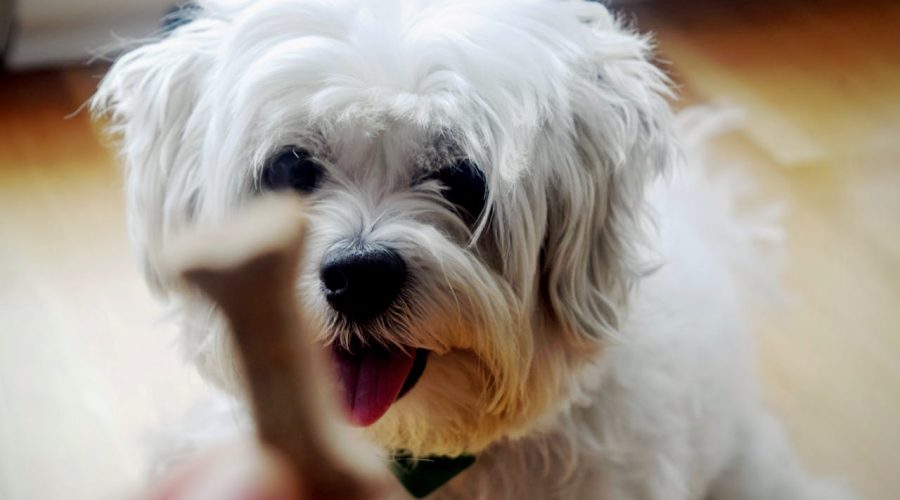
Shih Tzus are tiny bundles of joy, famous for their affectionate nature and royal looks. But don’t let their size fool you these pups can be quite stubborn if not trained properly. Training your Shih Tzu is more than teaching commands; it’s about shaping them into a well-behaved, happy companion. Let’s dive into some practical Shih Tzu training tips to help you raise a polite pup.
Shih Tzus are known for their sweet, loving, and loyal personalities. They adore being around people and thrive in family environments. However, their playful, independent streak can sometimes make training a little tricky. Knowing this helps you adjust your training approach to suit their temperament.
The best time to start training is when your pup is between 8 to 12 weeks old. At this stage, they are eager to learn and adapt. Early training builds good habits that last a lifetime. Don’t worry if your Shih Tzu is older you can still teach them new behaviors with patience.
Potty training is one of the first challenges. Start by creating a routine take your Shih Tzu outside after meals, naps, and playtime. Use praise and treats when they do their business in the right spot. Avoid punishment; it only confuses them. Consistency and patience are your best tools here.
Every pup should know essential commands like sit, stay, come, and down. These commands not only make life easier but also keep your dog safe. Use short training sessions, and reward good behavior with treats and cuddles.
Shih Tzus need proper socialization to grow into confident, friendly dogs. Expose them to different people, pets, and environments. This helps prevent shyness, fear, or aggressive tendencies. Socialization also makes vet visits and grooming much smoother.
Walking your Shih Tzu should be a joy, not a tug-of-war. Start indoors by letting them wear the leash to get used to it. Encourage walking beside you with treats and gentle guidance. Never yank the leash; patience and positive reinforcement work best.
Crate training is not about punishment—it’s about giving your Shih Tzu a safe, cozy space. Place soft bedding and toys inside. Gradually increase the time your pup spends in the crate, making it a positive experience. This also helps with potty training and prevents destructive behavior.
Shih Tzus can be vocal, especially when bored or seeking attention. To reduce barking, identify the trigger. Reward silence with treats, teach a “quiet” command, and ensure they get enough exercise and mental stimulation.
These little companions love being with their humans, which can lead to separation anxiety. Signs include whining, barking, or destructive behavior when left alone. Practice leaving your pup for short periods and gradually increase the duration. Interactive toys can also help keep them busy.
Positive reinforcement is the secret to successful Shih Tzu training. Use small treats, praise, and affection whenever they display good behavior. Avoid harsh corrections—it can make them fearful or stubborn.
Shih Tzus are intelligent but can be stubborn. They sometimes choose to ignore commands if they don’t feel like it. Stay consistent, keep training fun, and don’t give up—patience always pays off.
Once your pup masters the basics, move on to fun tricks like roll over, shake hands, or spin. Training games and agility activities provide mental stimulation, keeping your Shih Tzu sharp and happy.
Training doesn’t happen overnight. Routine, repetition, and patience are essential. Stick to a schedule and don’t expect instant results. Small, consistent steps lead to long-lasting habits.
Avoiding these mistakes ensures your Shih Tzu’s training journey is smooth.
A healthy dog is easier to train. Proper diet, exercise, and regular grooming all contribute to better behavior. Grooming sessions, like brushing and nail trimming, can also double as training opportunities.
Raising a well-behaved Shih Tzu is all about patience, love, and consistency. By using positive reinforcement, keeping training sessions fun, and understanding their unique personality, you’ll have a loyal and well-mannered companion for years to come.
1. Are Shih Tzus easy to train?
They can be stubborn but respond well to patience and positive reinforcement.
2. How long does it take to potty train a Shih Tzu?
It varies, but with consistency, most Shih Tzus can be potty trained within a few weeks.
3. Do Shih Tzus bark a lot?
Yes, they can be vocal, but with training, excessive barking can be managed.
4. Can older Shih Tzus be trained?
Absolutely. While puppies learn faster, older Shih Tzus can still pick up new habits.
5. What’s the best way to keep a Shih Tzu disciplined?
Consistency, positive reinforcement, and a regular routine work best.
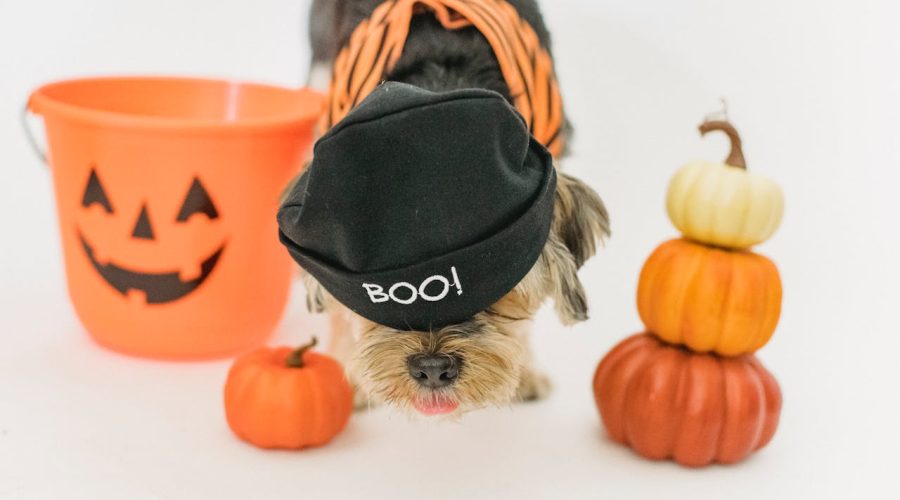
Halloween is one of the most exciting times of the year, filled with pumpkins, costumes, candy, and spooky fun. But if you share your home with your favorite puppy, you’ll need to plan ahead to make the holiday safe and enjoyable for your furry friend. Puppies are small, sensitive, and social dogs who love attention, but the hustle and bustle of Halloween can be overwhelming if you don’t take precautions.
In this blog, we’ll explore how to enjoy Halloween with your favorite puppy—from decorating your home to choosing the perfect costume—all while ensuring their comfort and safety.
Before diving into Halloween activities, it’s important to understand what makes your puppy unique. Puppies are known for their:
Understanding these traits helps you prepare the right environment for them on October 31st.
Decorating your house for Halloween is part of the fun, but safety should come first when you have a puppy around.
Dogs are naturally curious, and your puppy may want to sniff, chew, or paw at decorations. Keep these items away from their reach:
Instead of fragile or toxic decorations, opt for:
Some Halloween props make loud sounds or sudden movements. While funny to us, these can scare your puppy and trigger anxiety. Test decorations before setting them up permanently.
One of the most enjoyable parts of Halloween is dressing up your pup. Puppies look adorable in costumes, but comfort always comes first.
When choosing a costume, make sure it:
Because of their small size, puppies look extra cute in classic Halloween outfits such as:
Don’t wait until October 31st to dress your puppy. Let them try on the costume for short periods beforehand to get used to it. Offer treats and praise to create a positive association.
Halloween brings more visitors to your door than almost any other holiday. While fun for humans, it can be stressful for puppies.
Many puppies bark or get startled when the doorbell rings. On Halloween, that can happen dozens of times.
Solution: Set up a quiet room with toys, a comfy bed, and calming music to keep your puppy relaxed while you hand out candy.
With the constant opening and closing of the door, your puppy might slip outside unnoticed.
Halloween candy is everywhere, but chocolate, sugar-free sweets (with xylitol), and raisins are toxic to dogs.
Instead of human candy, prepare dog-safe snacks for your puppy. Pumpkin-flavored biscuits, apple slices, or store-bought Halloween-themed pet treats are perfect alternatives.
Halloween isn’t just for kids—it can be special for dogs too. With the right planning, you can include your puppy in festive activities.
Even with all precautions, some puppies may still get nervous during Halloween. Here’s how to help them stay calm:
Once the night is over, don’t forget these important clean-up steps:
Halloween is a magical holiday full of laughter, costumes, and sweet traditions. For puppy owners, it’s also a chance to create adorable memories with their furry companion. By planning ahead—choosing safe decorations, picking a comfortable costume, and taking precautions on trick-or-treat night—you can ensure your favorite puppy enjoys the festivities without stress or danger.
So this Halloween, embrace the spooky spirit, snap some photos of your costumed pup, and celebrate the season with safety and fun in mind. After all, your puppy deserves to be part of the holiday too!
1. Can puppies wear Halloween costumes safely?
Yes, as long as they are lightweight, comfortable, and don’t restrict movement, breathing, or vision. Always supervise your puppy while dressed up.
2. Are Halloween candies safe for puppies?
No. Chocolate, raisins, and sugar-free candies with xylitol are toxic. Always keep candy out of reach and give dog-safe treats instead.
3. How do I keep my puppy calm during trick-or-treating?
Create a quiet, cozy space away from the door with toys, a comfy bed, and calming music. Calming sprays or extra exercise earlier in the day can also help.
4. Can my puppy join me for trick-or-treating outside?
Yes, but only if they are comfortable with crowds and noise. Keep them on a leash, bring water, and avoid overly busy areas.5. What kind of Halloween treats can I give my puppy?
Safe options include pumpkin-flavored dog biscuits, apple slices, carrot st


516 Columbia Blvd
Sonoma, CA 21202

Office: 772-619-6309
Inquiries: 772-619-6432

Mon - Fri: 9am - 8pm
Sat - Sun: Closed