
Introduction
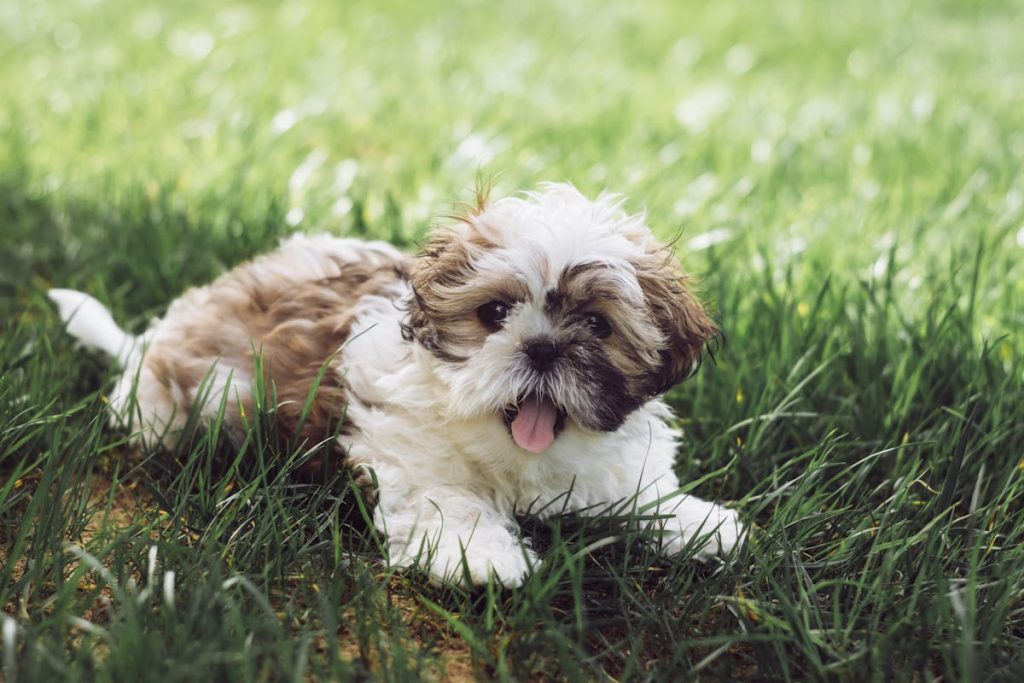
Shih Tzus are tiny bundles of joy, famous for their affectionate nature and royal looks. But don’t let their size fool you these pups can be quite stubborn if not trained properly. Training your Shih Tzu is more than teaching commands; it’s about shaping them into a well-behaved, happy companion. Let’s dive into some practical Shih Tzu training tips to help you raise a polite pup.
Understanding the Shih Tzu Personality
Shih Tzus are known for their sweet, loving, and loyal personalities. They adore being around people and thrive in family environments. However, their playful, independent streak can sometimes make training a little tricky. Knowing this helps you adjust your training approach to suit their temperament.
When to Start Training Your Shih Tzu
The best time to start training is when your pup is between 8 to 12 weeks old. At this stage, they are eager to learn and adapt. Early training builds good habits that last a lifetime. Don’t worry if your Shih Tzu is older you can still teach them new behaviors with patience.
House Training a Shih Tzu
Potty training is one of the first challenges. Start by creating a routine take your Shih Tzu outside after meals, naps, and playtime. Use praise and treats when they do their business in the right spot. Avoid punishment; it only confuses them. Consistency and patience are your best tools here.
Basic Commands Every Shih Tzu Should Know
Every pup should know essential commands like sit, stay, come, and down. These commands not only make life easier but also keep your dog safe. Use short training sessions, and reward good behavior with treats and cuddles.
Socialization Matters
Shih Tzus need proper socialization to grow into confident, friendly dogs. Expose them to different people, pets, and environments. This helps prevent shyness, fear, or aggressive tendencies. Socialization also makes vet visits and grooming much smoother.
Leash Training Your Shih Tzu
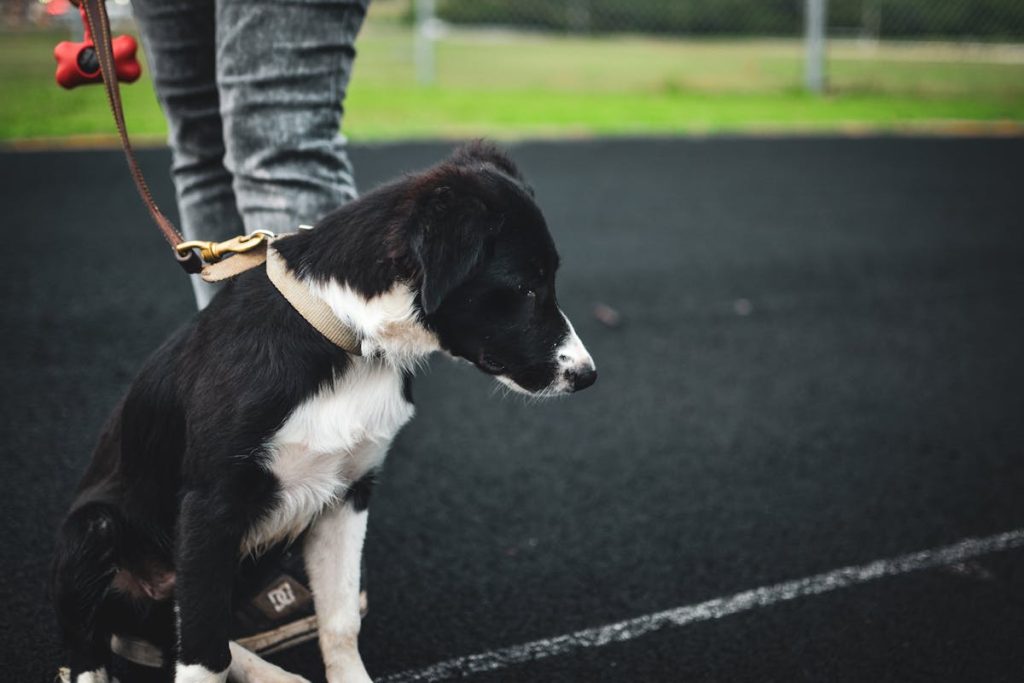
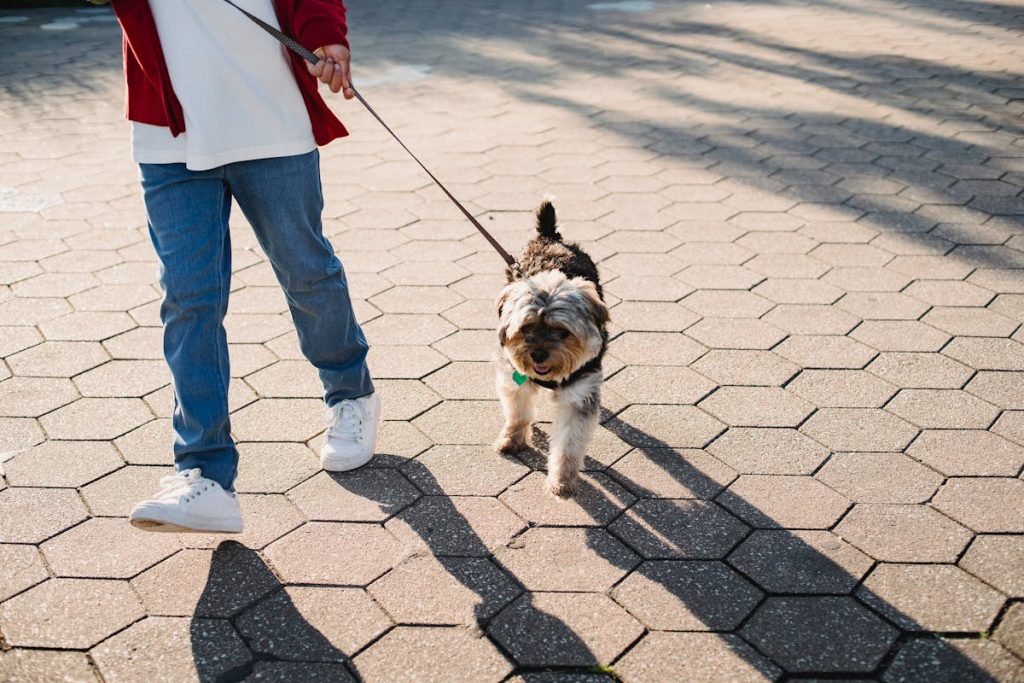
Walking your Shih Tzu should be a joy, not a tug-of-war. Start indoors by letting them wear the leash to get used to it. Encourage walking beside you with treats and gentle guidance. Never yank the leash; patience and positive reinforcement work best.
Crate Training for Comfort and Safety
Crate training is not about punishment—it’s about giving your Shih Tzu a safe, cozy space. Place soft bedding and toys inside. Gradually increase the time your pup spends in the crate, making it a positive experience. This also helps with potty training and prevents destructive behavior.
Addressing Barking Behavior
Shih Tzus can be vocal, especially when bored or seeking attention. To reduce barking, identify the trigger. Reward silence with treats, teach a “quiet” command, and ensure they get enough exercise and mental stimulation.
Dealing With Separation Anxiety
These little companions love being with their humans, which can lead to separation anxiety. Signs include whining, barking, or destructive behavior when left alone. Practice leaving your pup for short periods and gradually increase the duration. Interactive toys can also help keep them busy.
Positive Reinforcement Techniques
Positive reinforcement is the secret to successful Shih Tzu training. Use small treats, praise, and affection whenever they display good behavior. Avoid harsh corrections—it can make them fearful or stubborn.
Training Challenges Unique to Shih Tzus
Shih Tzus are intelligent but can be stubborn. They sometimes choose to ignore commands if they don’t feel like it. Stay consistent, keep training fun, and don’t give up—patience always pays off.
Advanced Training Ideas
Once your pup masters the basics, move on to fun tricks like roll over, shake hands, or spin. Training games and agility activities provide mental stimulation, keeping your Shih Tzu sharp and happy.
Consistency and Patience in Training
Training doesn’t happen overnight. Routine, repetition, and patience are essential. Stick to a schedule and don’t expect instant results. Small, consistent steps lead to long-lasting habits.
Common Mistakes to Avoid in Shih Tzu Training
- Using too many treats (can lead to weight gain)
- Inconsistent commands or tone
- Losing patience and giving up too soon
Avoiding these mistakes ensures your Shih Tzu’s training journey is smooth.
Health and Training Connection
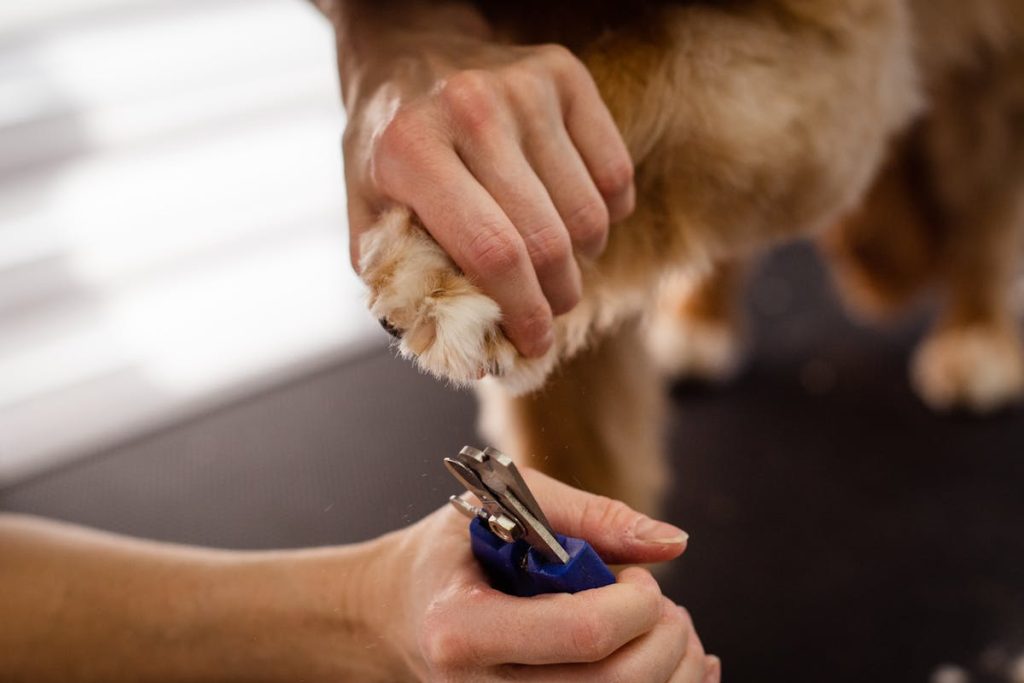
A healthy dog is easier to train. Proper diet, exercise, and regular grooming all contribute to better behavior. Grooming sessions, like brushing and nail trimming, can also double as training opportunities.
Conclusion
Raising a well-behaved Shih Tzu is all about patience, love, and consistency. By using positive reinforcement, keeping training sessions fun, and understanding their unique personality, you’ll have a loyal and well-mannered companion for years to come.
FAQs
1. Are Shih Tzus easy to train?
They can be stubborn but respond well to patience and positive reinforcement.
2. How long does it take to potty train a Shih Tzu?
It varies, but with consistency, most Shih Tzus can be potty trained within a few weeks.
3. Do Shih Tzus bark a lot?
Yes, they can be vocal, but with training, excessive barking can be managed.
4. Can older Shih Tzus be trained?
Absolutely. While puppies learn faster, older Shih Tzus can still pick up new habits.
5. What’s the best way to keep a Shih Tzu disciplined?
Consistency, positive reinforcement, and a regular routine work best.