123-456-7890
Call us today

123-456-7890
Call us today


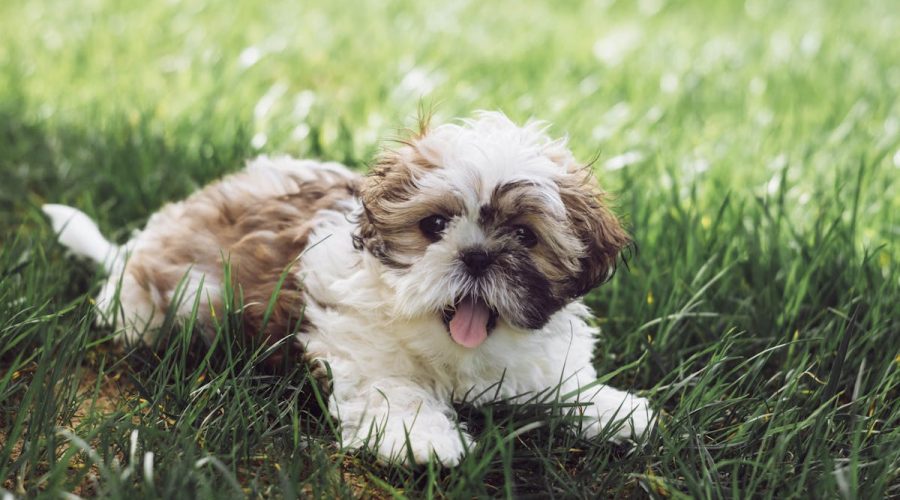
Finding the perfect small puppy breed in Charleston SC can be both exciting and overwhelming. With a variety of breeds available, each with its unique temperament, energy level, and care requirements, choosing a puppy that fits your lifestyle is crucial—especially for city living where space, activity levels, and socialization opportunities play a major role. This guide will help Charleston residents discover the best small puppy breeds for apartments, low-maintenance city life, and family-friendly households.
Small puppy breeds are ideal for urban environments like Charleston SC for several reasons. Firstly, apartments and city homes often have limited space, making large dog breeds less practical. Secondly, smaller dogs generally have lower exercise needs, though they still require daily walks and playtime. Thirdly, these breeds are easier to manage in public spaces such as parks, sidewalks, and pet-friendly establishments. For first-time owners or busy professionals, a small puppy breed can provide companionship without overwhelming responsibility.
Additionally, Charleston’s hot and humid climate requires selecting breeds that tolerate heat well and adapt to indoor environments. Many small breeds thrive in apartments with controlled temperatures and benefit from shaded outdoor areas for short, supervised play sessions.
Here is a breakdown of small puppy breeds Charleston residents love, along with their care requirements and suitability for city life.
The French Bulldog is one of the most popular small dog breeds in Charleston SC due to its friendly personality and low activity needs. French Bulldogs are affectionate, social, and adapt well to apartment living. They enjoy moderate walks but are also happy lounging indoors.
Key Features:
The Cavalier King Charles Spaniel is another favorite among Charleston residents. Known for their gentle temperament and affectionate nature, they thrive in both families and single-owner households. They enjoy social interaction, making them ideal for residents who frequently host guests or live in busy neighborhoods.
Key Features:
The Boston Terrier is a charming and intelligent breed that adjusts well to Charleston city life. They are playful yet calm indoors, making them perfect for apartments. Their moderate size and easygoing nature make them suitable for first-time owners and residents with busy schedules.
Key Features:
Pugs are small, friendly, and affectionate dogs that Charleston residents adore. They have a calm demeanor and adapt well to apartment living. Pugs are social and love being around people, making them excellent companions for singles, families, and retirees.
Key Features:
Shih Tzus are known for their charming personalities and adaptability to indoor living. They are ideal for Charleston residents looking for small, social dogs that do well in apartments or condos. While grooming is necessary to maintain their coat, they are generally low-maintenance in terms of exercise.
Key Features:
Yorkshire Terriers, or Yorkies, are small, energetic, and highly adaptable to city living. They are perfect for residents who enjoy interactive play but have limited space. Despite their tiny size, Yorkies are courageous and affectionate, forming strong bonds with their owners.
Key Features:
The Maltese is a gentle, affectionate breed suited for Charleston SC city living. They are ideal for apartments due to their small size and low exercise needs. Maltese dogs are hypoallergenic and thrive on human companionship, making them perfect for urban dwellers.
Key Features:
The Miniature Dachshund is playful, affectionate, and adaptable to Charleston apartments. Despite their long bodies, they are surprisingly active indoors but don’t require extensive outdoor space. Their curious nature makes them great companions for families and singles alike.
Key Features:
For Charleston residents, choosing the right small puppy breed is a balance of lifestyle, space, and personality. Popular breeds like French Bulldogs, Cavalier King Charles Spaniels, Boston Terriers, Pugs, Shih Tzus, Yorkies, Maltese, and Miniature Dachshunds offer the perfect mix of adaptability, companionship, and suitability for apartment and city living. By understanding each breed’s unique needs, residents can ensure a happy and healthy life for their new furry family member.
Whether you live in a cozy downtown apartment or a suburban Charleston home, there’s a small puppy breed that fits your lifestyle perfectly. Investing in the right breed ensures that your puppy grows up healthy, happy, and well-adjusted for city life.
FAQs
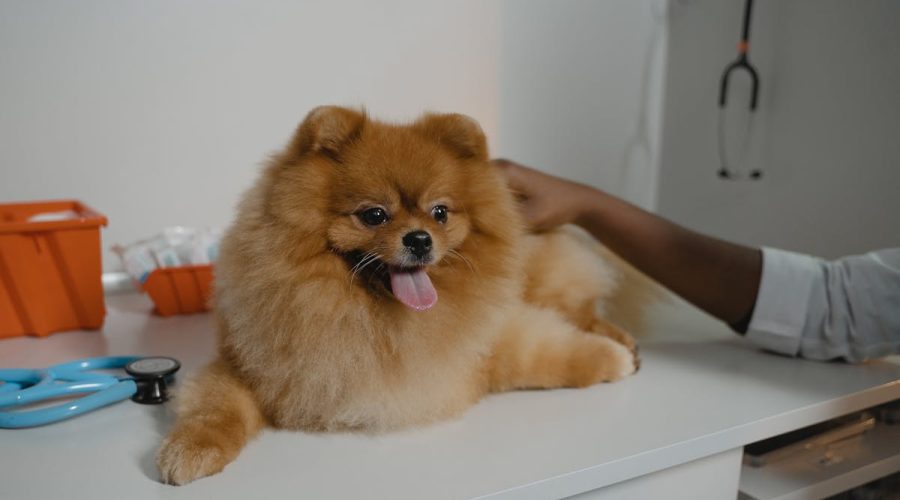
Choosing a puppy is exciting, but it’s also a big responsibility. Beyond selecting the right breed or temperament, one of the most important aspects of bringing a puppy home is reviewing their puppy health records. These documents provide essential insight into your future furry friend’s wellbeing and help ensure you are making a safe and informed decision.
Health records are more than a stack of papers—they are your puppy’s medical story, a roadmap of vaccinations, past illnesses, and preventive care. Understanding these details protects not just your puppy, but your whole family.
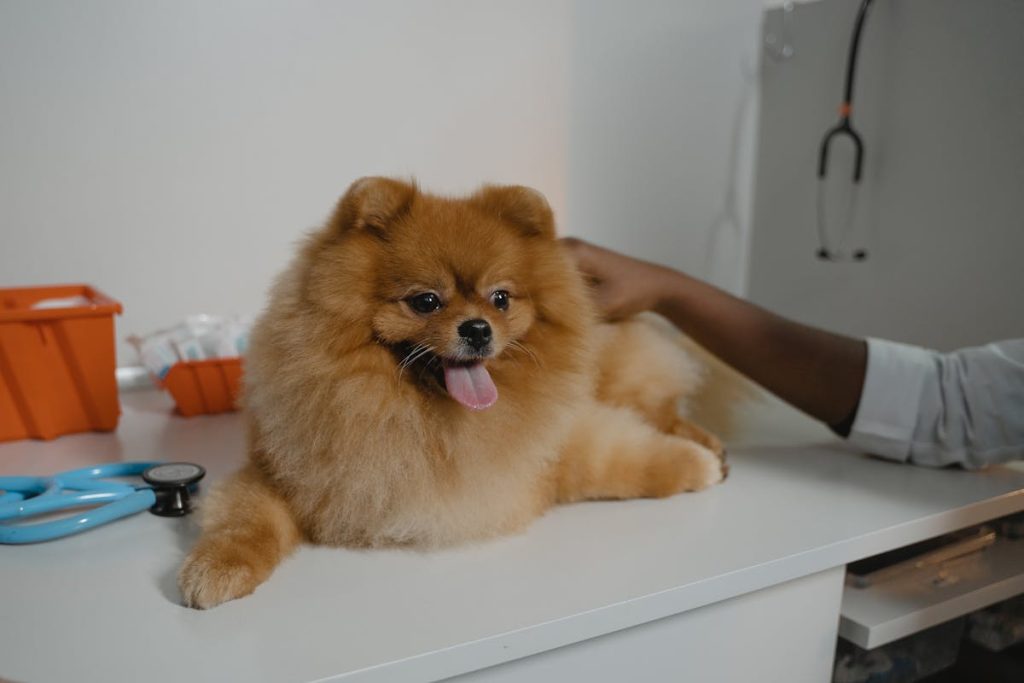
Every puppy deserves a healthy start in life. Documentation like puppy vaccination records and medical history gives you confidence that your new companion has been cared for properly. These records also make future veterinary care smoother and more effective.
Puppy health records are detailed files that outline a dog’s medical history. They document vaccinations, treatments, weight progress, and any illnesses or procedures the puppy has undergone.
Core vaccines protect against deadly diseases such as distemper, parvovirus, adenovirus, and rabies. These vaccines are considered essential for all puppies, regardless of their environment.
Depending on where you live, some vaccinations may be recommended or required, including those for leptospirosis, bordetella (kennel cough), or Lyme disease.
Vaccination records ensure that your puppy has received all necessary protection. Without these records, you risk exposing them to preventable illnesses, some of which can be life-threatening.
Medical history documents any illnesses, medications, surgeries, or treatments the puppy has received. This helps you anticipate future needs and avoid surprises.
Documentation of deworming and flea/tick prevention ensures your puppy is free of common parasites that could impact their health or your household.
Consistent growth charts allow vets to monitor development and detect any abnormalities early on.
A puppy with complete vaccination and medical records is less likely to carry or transmit dangerous diseases to other pets or humans.
Knowing a puppy’s past illnesses or treatments helps detect patterns and prevent complications before they escalate.
Some breeds are prone to specific health conditions. Health records can reveal early signs or potential genetic concerns.
Documentation helps breeders, shelters, and future owners make informed choices, reducing the risk of passing on inherited diseases.
Check that every vaccination, treatment, and vet visit is recorded. Missing dates or unclear notes are red flags.
All entries should be verified by a licensed veterinarian to ensure authenticity.
Ask which vaccines were given, when, and what follow-ups are needed.
Inquire about recent checkups and overall puppy health.
Some breeders provide guarantees covering genetic illnesses or early health issues.
Microchips ensure that vaccination and medical records are traceable to your specific puppy.
Microchipping helps locate lost pets and ensures compliance with local pet laws.
Digital records are easier to organize, share with vets, and backup for future use.
Regular veterinary visits help maintain an updated and accurate medical history.
Use reminders or apps to ensure timely booster shots and prevent gaps in care.
Incomplete documentation may indicate neglect or a lack of proper care.
If there are unexplained periods without vet visits or vaccinations, ask questions before adopting.
Vets rely on prior records to develop personalized care plans for your puppy.
Complete documentation allows for tracking growth, behavior, and recurring conditions over the years.
Reviewing puppy health records and vaccination history is essential for a safe, healthy, and happy start for your new companion. Proper documentation protects your puppy, supports effective veterinary care, and gives you peace of mind that your puppy is receiving the care they need from day one.
1. What are puppy health records?
They are documents detailing a puppy’s medical history, including vaccinations, treatments, and vet visits.
2. Why are vaccination records important?
They ensure your puppy is protected from contagious and potentially life-threatening diseases.
3. Can incomplete records indicate a health risk?
Yes, missing documentation may suggest neglected care or unknown medical issues.
4. How often should I update my puppy’s health records?
Keep records updated with every vet visit, vaccination, or treatment.
5. What should I ask a breeder about health records?
Ask about vaccination schedules, vet visits, health guarantees, and any past illnesses.
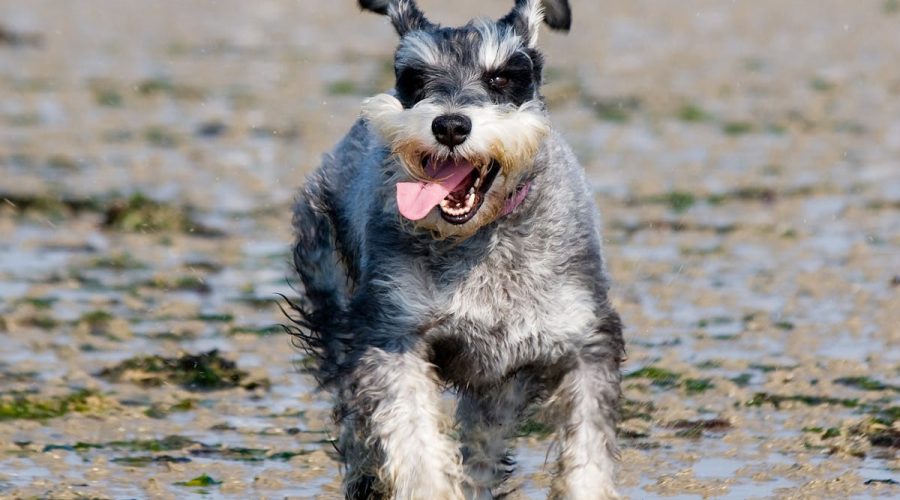
Training a Miniature Schnauzer puppy is like tuning a high-performance engine. They’re smart, energetic, and always ready to learn—but only if you guide them the right way. Miniature Schnauzer training isn’t about dominance or harsh commands; it’s about consistency, patience, and building a strong bond. Let’s walk through everything you need to raise a well-mannered, confident pup.
Miniature Schnauzers are highly intelligent and incredibly alert. They were originally bred as watchdogs, which explains why they notice everything. This intelligence makes training easier—but it also means they get bored fast.
Yes, they love to bark. It’s their way of communicating. Without proper Miniature Schnauzer training, barking can turn into a bad habit.
They’re independent thinkers. Think of them as clever toddlers who always ask “why?” Training needs to be firm but friendly.
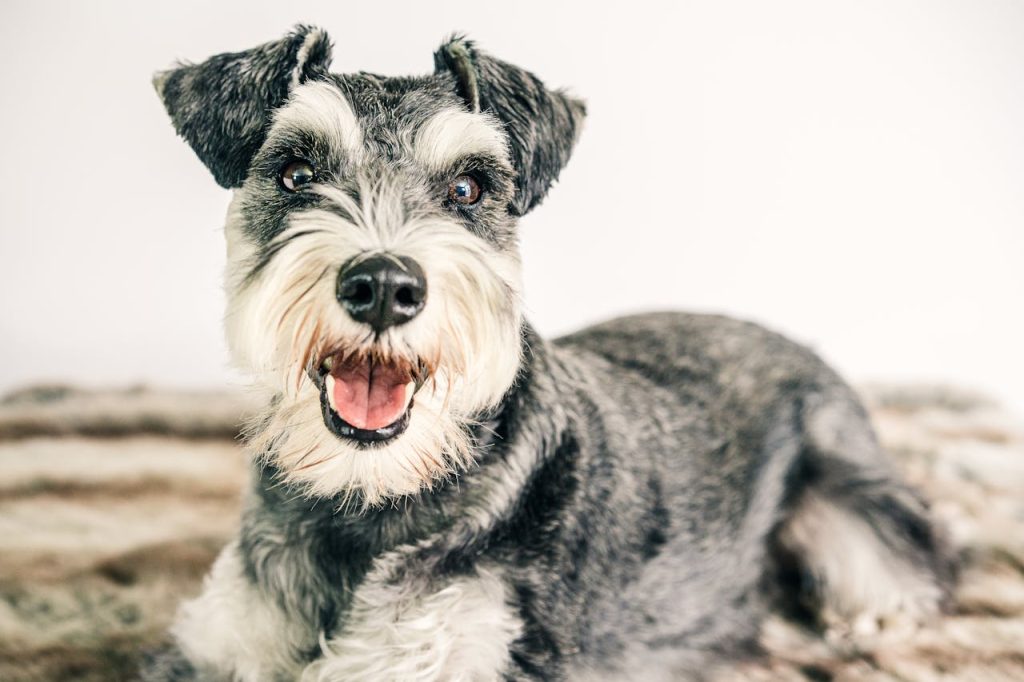
The first few months are golden. Puppies absorb information like sponges, making early training far more effective.
Jumping, nipping, excessive barking—these habits are easier to prevent than to fix later.
Stock up on treats, a clicker (optional), a leash, collar, crate, and chew toys. Think of these as your training toolkit.
Remove hazards, block restricted areas, and create a calm space where your puppy feels safe and focused.
Start with “sit.” It’s simple and builds confidence. Use treats and praise immediately. Once mastered, move to “stay” and “come.”
Say your puppy’s name and reward eye contact. This builds attention, which is the foundation of all Miniature Schnauzer training.
Take your puppy out after meals, naps, and playtime. Consistency is everything. Praise like they just won a trophy when they get it right.
A crate isn’t a cage—it’s a den. Use it for naps and bedtime to help with bladder control and reduce anxiety.
Expose your puppy to different people early. Hats, kids, beards—variety builds confidence.
Controlled, positive interactions with dogs and cats prevent fear and aggression later.
Teach your puppy that pulling gets them nowhere. Reward walking calmly by your side.
Stop walking when they pull. Resume only when the leash relaxes. It’s simple, but it works.
Reward silence, calm behavior, and obedience. Ignore attention-seeking barking whenever possible.
Never yell or punish. It confuses them and damages trust—two things Miniature Schnauzer training depends on.
Mental exercise is just as important as physical activity. Puzzle toys keep their sharp minds busy.
Spin, shake, roll over—tricks strengthen your bond and keep training fun.
Dogs thrive on routine. Train at the same times daily to build reliability.
If issues persist, a professional trainer can offer structure and guidance tailored to your puppy.
Miniature Schnauzer training is a rewarding journey filled with small wins and big smiles. With early training, positive reinforcement, and consistency, your puppy will grow into a well-behaved, confident companion. Stick with it, stay patient, and remember—every great dog starts with a committed owner.
1. How long does it take to train a Miniature Schnauzer puppy?
Basic training takes a few weeks, but ongoing training continues for life.
2. Are Miniature Schnauzers easy to train?
Yes, they’re intelligent, but their stubborn streak requires consistency.
3. How do I stop excessive barking?
Focus on positive reinforcement and identify barking triggers early.
4. Can Miniature Schnauzers be trained without treats?
Treats help, but praise and play also work well.
5. Is crate training necessary?
It’s highly recommended for house training and creating structure.


516 Columbia Blvd
Sonoma, CA 21202

Office: 772-619-6309
Inquiries: 772-619-6432

Mon - Fri: 9am - 8pm
Sat - Sun: Closed