123-456-7890
Call us today

123-456-7890
Call us today



Living in a small apartment does not mean you cannot raise a happy and healthy puppy. It simply means you need to be intentional. Every square foot matters. In a compact home, there is less room for mistakes and fewer places for your puppy to explore safely without supervision.
A proper puppy safe apartment setup is not about having more space. It is about using your space wisely.
Imagine being dropped into a brand new world with no boundaries. Overwhelming, right? Puppies feel the same way. Creating a dedicated area helps them feel secure. It gives them a predictable place to rest, play, and relax.
When your puppy knows where their space is, stress decreases and good behavior improves.
Read More: Small Puppy Breeds Charleston Residents Prefer for City Living
Before moving furniture around, think about what your puppy truly needs.
First comes protection. Puppies explore with their mouths. That means cords, shoes, furniture edges, and small objects all look like chew toys.
Your puppy needs a soft sleeping spot, proper temperature, and a calm atmosphere.
Bored puppies become destructive puppies.
Even in a small apartment, puppies need daily movement. Short indoor games and regular outdoor walks make a big difference.
Puzzle toys, basic training sessions, and scent games keep their brain engaged. Mental stimulation can tire a puppy out faster than physical activity alone.
Pick a corner that is visible but not chaotic. Avoid placing your puppy’s space directly next to the main door or television. Constant noise can cause anxiety.
A corner of the living room often works well. It keeps your puppy involved in family life without overwhelming them.
Kitchens have sharp tools, cleaning products, and hot surfaces. Balconies present falling risks. These areas should be restricted unless supervised.
Use baby gates or closed doors to block unsafe zones.
This is where your puppy safe apartment setup becomes serious.
Bundle cords together and use cord protectors. Hide them behind furniture whenever possible. A single chew can lead to injury.
Many common houseplants are toxic to dogs. Check each plant before placing it within reach.
Puppies can squeeze into surprisingly small areas. Block gaps behind sofas and under beds if you cannot monitor those spots.
Baby gates are lifesavers in apartments. They create boundaries without completely isolating your puppy. Choose sturdy, pressure mounted gates for easy installation.

Select a bed that matches your puppy’s size. It should be soft but supportive. Avoid placing it in drafty areas near windows or doors.
Crate training works well in small spaces. A crate provides structure and security. It becomes a safe den where your puppy can relax.
Keep the crate cozy with a blanket and ensure it is not used as punishment.
Dim lighting and reduced noise at night help your puppy settle faster. Consistency builds good sleeping habits.
Choose toys that fit your apartment lifestyle. Avoid oversized balls that bounce into fragile decor. Opt for chew toys, soft plush toys, and interactive feeders.
Do not put all toys out at once. Rotate them every few days. This keeps them exciting and fresh.
If your puppy chews furniture, it usually means boredom or teething discomfort. Offer appropriate chew alternatives and supervise closely.
Consistency is key.
In small apartments, spills feel bigger. Use non slip bowls or silicone mats to contain mess.
Elevated feeders may help some breeds, but ensure they are stable.
Clean bowls daily. Food residue attracts insects and creates odor in tight spaces.
Some apartment owners rely on potty pads. Others prefer strict outdoor routines. Both can work if consistent.
If using pads, place them in a designated corner and avoid moving them frequently.
Take your puppy out at the same times each day. After meals. After naps. After playtime. Routine reduces accidents and confusion.
Apartments come with neighbor noise, elevators, and hallway activity. Introduce your puppy gradually to these sounds.
Play soft background noise if sudden sounds cause stress.
Use calming beds, maintain a predictable schedule, and avoid overstimulation before bedtime.
A stable routine builds confidence.
Use vertical storage solutions. Baskets for toys. Hooks for leashes. Hidden storage keeps clutter away and prevents chewing temptations.
Organization supports safety.
One major mistake is giving full access too soon. Puppies need boundaries. Another mistake is underestimating mental stimulation. Small spaces require more enrichment, not less.
Ignoring early training is another problem. Training shapes behavior before bad habits form.
Your puppy will not stay tiny forever. Beds will need upgrading. Gates may need repositioning. Energy levels will change.
Reevaluate your puppy safe apartment setup every few months. Adapt as needed.
Flexibility keeps things working smoothly.
Creating a puppy safe space in a small apartment is not about square footage. It is about strategy. With thoughtful planning, clear boundaries, and consistent routines, even the smallest apartment can become a secure and joyful home for your puppy.
Focus on safety. Provide comfort. Offer stimulation. Maintain structure. When these elements come together, your apartment becomes more than just a living space. It becomes a nurturing environment where your puppy can thrive.
Small space. Big love. Smart setup.
Yes, but daily exercise and mental stimulation are essential. Space matters less than routine and activity.
Gradual exposure and positive reinforcement help reduce fear based barking.
It is not mandatory, but it provides structure and enhances safety in small spaces.
Review the setup every few months as your puppy grows and behavior changes.
Safety comes first. Remove hazards, create boundaries, and supervise consistently.
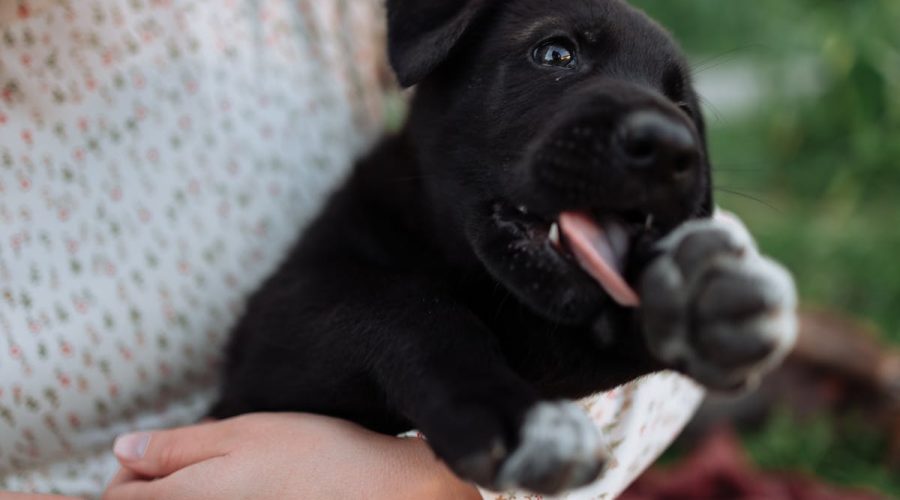
Bringing a puppy into your home feels like welcoming a tiny ball of joy with endless energy and curiosity. But soon enough, that sweet little face starts gnawing on everything in sight—shoes, furniture, and sometimes even your hands. If you’re wondering why your puppy suddenly turned into a chewing machine, the answer is simple: teething.
Understanding puppy teething signs is essential for every pet parent. Teething can be uncomfortable and frustrating for puppies, and without guidance, it can also become stressful for owners. The good news? With the right knowledge and tools, you can help your puppy get through this stage safely and comfortably.
This complete guide explains the signs of puppy teething, what to expect, and what you can do to make the process easier for both of you.
Puppy teething is a natural developmental stage where baby teeth fall out and permanent adult teeth grow in. Puppies are born without teeth. Their first set of teeth, called milk teeth, usually appear between 2 and 4 weeks of age. These baby teeth are sharp but temporary.
By the time a puppy reaches 3 to 4 months old, those baby teeth begin to loosen and fall out, making room for adult teeth. This transition can cause sore gums, mild pain, and a strong urge to chew.
Just like human babies chew on toys to soothe their gums, puppies chew to relieve pressure and discomfort. Chewing is their way of coping with a mouth that feels itchy, swollen, and sensitive.
Learn More: How to Prevent Puppy Chewing Disasters on Furniture & Shoes
Recognizing puppy teething signs early helps you respond correctly instead of assuming your puppy is misbehaving. Many owners punish chewing without realizing it’s linked to discomfort. This can confuse and stress the puppy, making training harder.
When you understand what’s happening, you can:
Teething is temporary, but your response can shape long-term habits.
Most puppies begin teething around 12 to 16 weeks of age. This process continues until they are about 6 to 7 months old, when all adult teeth have usually come in.
The timeline generally looks like this:
Some puppies may finish earlier or later depending on breed and size. Smaller breeds often finish teething sooner than larger breeds.

Teething affects puppies physically and behaviorally. Here are the most noticeable signs.
This is the most obvious and common sign. Puppies chew furniture, shoes, carpets, and anything they can reach. They’re not trying to be naughty—they’re trying to soothe sore gums.
Chewing applies pressure to the gums, which helps reduce pain and irritation. Unfortunately, your favorite couch might become their target if no chew toys are available.
If you gently lift your puppy’s lips, you may notice red, swollen gums. This inflammation is caused by new teeth pushing through the gum line.
Some puppies also develop small bumps where adult teeth are emerging.
Teething often causes increased saliva production. If your puppy is drooling excessively or leaving wet spots on the floor, teething could be the reason.
Drooling is a natural response to gum irritation and usually stops once adult teeth settle in.
Just like babies cry when teething, puppies may become cranky. They might whine, seem restless, or show signs of frustration.
Your puppy may want more attention or become clingy during this time. Think of it as their way of saying, “My mouth hurts.”
Sore gums can make eating uncomfortable. Some puppies eat less or avoid hard kibble entirely. They may chew slowly or drop food while eating.
This is usually temporary and improves once the discomfort fades.
You might notice tiny blood stains on chew toys. This can look alarming, but it’s often normal. When baby teeth loosen and fall out, slight bleeding can occur.
As long as bleeding is minimal, it’s not usually a cause for concern.
Teething can cause mild bad breath due to bacteria buildup around sore gums. While puppy breath is usually tolerable, strong or persistent odor could signal infection and should be checked by a vet.
Some puppies rub their face with their paws or scratch around their mouth. This behavior indicates discomfort and irritation in the gums.
Teething doesn’t just affect the mouth—it changes behavior too.
Without proper chew toys, puppies may turn to furniture, electrical cords, or walls. This is why puppy-proofing your home during teething is essential.
Discomfort can disrupt sleep. Puppies may wake up more often or have trouble settling down.
The teething phase usually lasts between 3 and 4 months. While it feels endless at times, it does pass.
Once adult teeth are fully grown, chewing behavior typically decreases—although some dogs remain enthusiastic chewers by nature.
Helping your puppy through teething is about comfort, safety, and consistency.
Chew toys are essential during teething. They give your puppy something appropriate to bite instead of your belongings.
Good chew toys should be:
Rubber toys, rope toys, and puppy-specific teething toys work best.
Cold helps numb sore gums. You can freeze:
Frozen items act like ice packs for your puppy’s mouth.
Using a clean finger or soft cloth, gently massage your puppy’s gums. This can soothe irritation and reduce inflammation.
If your puppy struggles with hard kibble, soak it in warm water or offer soft food temporarily. This makes eating easier and less painful.
Avoid common mistakes that can harm your puppy.
Never give bones, stones, or hard plastic toys that can crack teeth. Also avoid items that can splinter or be swallowed.
Punishing a teething puppy creates fear and confusion. Instead, redirect chewing to appropriate toys and reward good behavior.
Puppy-proofing is critical during teething.
Redirect your puppy whenever they chew something inappropriate.
Teething is a perfect time to start dental habits.
Use a puppy-safe toothbrush and toothpaste. Start slowly and make it fun. Even brushing a few times a week helps prevent plaque buildup.
Your veterinarian can check if teeth are growing correctly and identify problems like retained baby teeth or infections.
Seek professional help if you notice:
These signs may indicate infection or dental issues beyond normal teething.
Many people believe teething causes serious illness. In reality, mild discomfort is normal, but fever, diarrhea, or extreme lethargy are not caused by teething and should be evaluated by a vet.
Another myth is that puppies outgrow chewing completely. Some dogs remain chewers well into adulthood, so training and toys remain important.
Handling teething the right way:
Your patience now pays off for years to come.
Teething is one of the most challenging but natural stages of puppyhood. Understanding puppy teething signs allows you to respond with care instead of frustration. From excessive chewing and swollen gums to drooling and irritability, these signs are your puppy’s way of saying, “My mouth hurts—help me out.”
With safe chew toys, cold treats, gentle care, and consistent training, you can guide your puppy through this phase smoothly. Remember, teething doesn’t last forever, but the habits you teach during this time can shape your dog’s future behavior.
Patience, love, and preparation are your best tools. Before you know it, those sharp baby teeth will be gone—and your puppy will be smiling with a healthy adult grin.
1. How do I know if my puppy is teething or just chewing for fun?
If chewing is constant, combined with drooling, swollen gums, and irritability, it’s likely teething rather than play behavior.
2. Can teething cause diarrhea in puppies?
Mild changes in appetite can occur, but diarrhea is not normal for teething. Consult a vet if it happens.
3. What is the best toy for a teething puppy?
Soft rubber chew toys, frozen toys, and puppy-specific teething toys are safest and most effective.
4. Should I pull out loose baby teeth?
No. Baby teeth usually fall out naturally. Pulling them can cause pain or infection.
5. How long until my puppy stops teething?
Most puppies finish teething by 6 to 7 months of age.
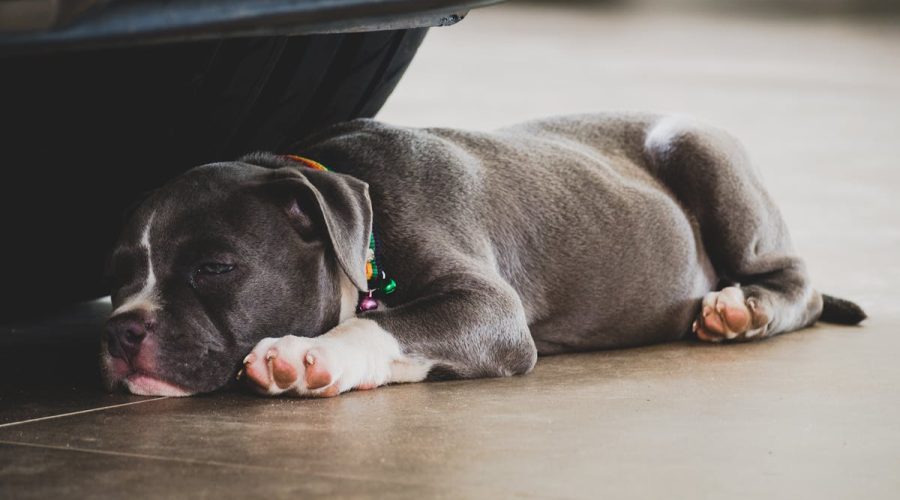
Bringing home a puppy is one of life’s happiest moments. Those tiny paws, floppy ears, and playful zoomies can melt anyone’s heart. But along with all the cuteness comes responsibility, especially when it comes to puppy health problems.
Puppies are like little toddlers. They are curious, energetic, and still building their immune systems. That means they can get sick more easily than adult dogs.
The good news? Most common puppy illnesses can be prevented with the right care, early awareness, and a little preparation.
Let’s walk through the most common puppy health problems and how you can protect your furry friend.
Puppies grow fast, but their bodies are still developing. Their immune systems are not fully ready to fight off viruses, parasites, and infections.
If an illness is caught early, treatment is often easier and less stressful. Ignoring symptoms, on the other hand, can lead to serious complications.
Knowing what to watch for helps you keep your puppy safe, healthy, and happy.
Learn Why Health Records and Vaccination History Matter When Choosing a Puppy

Puppies explore the world with their noses and mouths. They sniff everything, chew random objects, and meet other dogs before they understand danger.
Common reasons puppies get sick include:
That’s why prevention is always better than cure.
Let’s look at the most common illnesses that affect puppies.
Parvovirus is one of the most serious puppy illnesses. It attacks the digestive system and spreads quickly through infected feces or contaminated surfaces.
Symptoms include:
Prevention tips:
Parvo is dangerous, so immediate vet care is essential.
Distemper is a viral disease that affects the lungs, digestive system, and nervous system.
Signs of distemper:
How to prevent it:
Vaccination is the best protection. Distemper is highly contagious, so early prevention is key.
Kennel cough is like a puppy cold. It spreads easily in places where dogs gather, such as shelters, grooming facilities, or daycare.
Symptoms:
Prevention:
Most cases are mild, but some can develop into pneumonia.
Worms are one of the most common puppy health problems, especially in young pups.
Types include:
Symptoms:
Prevention:
Parasites can steal nutrients from your puppy’s growing body.
External parasites may seem small, but they can cause major discomfort and even transmit disease.
Signs of fleas or ticks:
Prevention:
Never use random over-the-counter products without vet guidance.
Puppies with floppy ears or allergies are more prone to ear infections.
Symptoms:
Prevention:
Ear infections can become painful if ignored.
Upset stomachs are very common in puppies because their digestive systems are sensitive.
Causes include:
Signs:
Prevention:
Persistent diarrhea needs veterinary attention quickly.
Puppies can develop itchy skin from food allergies, fleas, or environmental triggers.
Symptoms:
Prevention:
Skin problems often require patience and proper diagnosis.
Puppies can’t tell you what’s wrong, so you need to watch their behavior closely.
Common warning signs include:
Trust your instincts. If something feels off, it probably is.
Seek urgent veterinary care if your puppy has:
Young puppies can decline quickly, so don’t wait too long.
Prevention doesn’t have to be complicated. Simple routines make a huge difference.
Vaccines protect against deadly diseases like parvo and distemper.
Your puppy needs:
Early vet visits help catch issues before they become serious.
Food is fuel for growth and immunity.
Choose:
Avoid feeding table scraps, as they can upset digestion.
A clean home reduces exposure to bacteria and parasites.
Good habits include:
Think of it like baby-proofing, but for germs.
Parasites are sneaky and common.
Your vet may recommend:
This keeps your puppy protected inside and out.
Socialization is important, but safety matters too.
Until vaccinations are complete:
Safe exposure builds confidence without unnecessary risk.
A healthy puppy is not just about avoiding illness, it’s about building resilience.
Support immunity with:
A strong immune system is like a shield that grows with your puppy.
Puppies may be small, but their health needs are big. Understanding puppy health problems helps you act quickly, prevent illness, and give your pup the best start in life.
From vaccinations and parasite control to proper nutrition and hygiene, simple preventive steps can save you from major worries later.
Your puppy depends on you, and with the right care, they’ll grow into a healthy, happy companion for years to come.
Parvovirus, worms, kennel cough, ear infections, and digestive upset are some of the most common puppy health problems.
Look for signs like vomiting, diarrhea, low energy, coughing, loss of appetite, or unusual behavior.
Most puppies begin vaccinations around 6 to 8 weeks old, followed by boosters every few weeks.
Yes. Proper hygiene, nutrition, parasite prevention, and safe environments greatly reduce illness risk.
If diarrhea lasts more than 24 hours or includes vomiting or blood, contact your vet immediately.


516 Columbia Blvd
Sonoma, CA 21202

Office: 772-619-6309
Inquiries: 772-619-6432

Mon - Fri: 9am - 8pm
Sat - Sun: Closed