
Introduction
If you own a Poodle, you already know they are one of the smartest, most elegant, and loving dogs out there. But did you know they thrive best when life is structured? Just like humans, Poodles feel secure and happy when they have a predictable routine. From feeding times to exercise and grooming, a consistent daily schedule keeps them healthy, mentally sharp, and well-behaved.
Understanding Your Poodle
Before creating a routine, it’s important to understand the type of Poodle you have. Poodles come in three sizes: Toy, Miniature, and Standard.
- Toy Poodles are tiny and need shorter but more frequent activities.
- Miniature Poodles are active and playful, requiring moderate daily exercise.
- Standard Poodles are the most athletic and need longer exercise sessions.
Your Poodle’s size, age, and personality all play a role in shaping their perfect daily schedule.
Morning Routine
Mornings set the tone for your Poodle’s entire day, and starting with the right routine helps them feel balanced and happy. As soon as your Poodle wakes up, begin with a potty break to let them relieve themselves and stretch their legs. This not only prevents accidents indoors but also kickstarts their energy for the day.
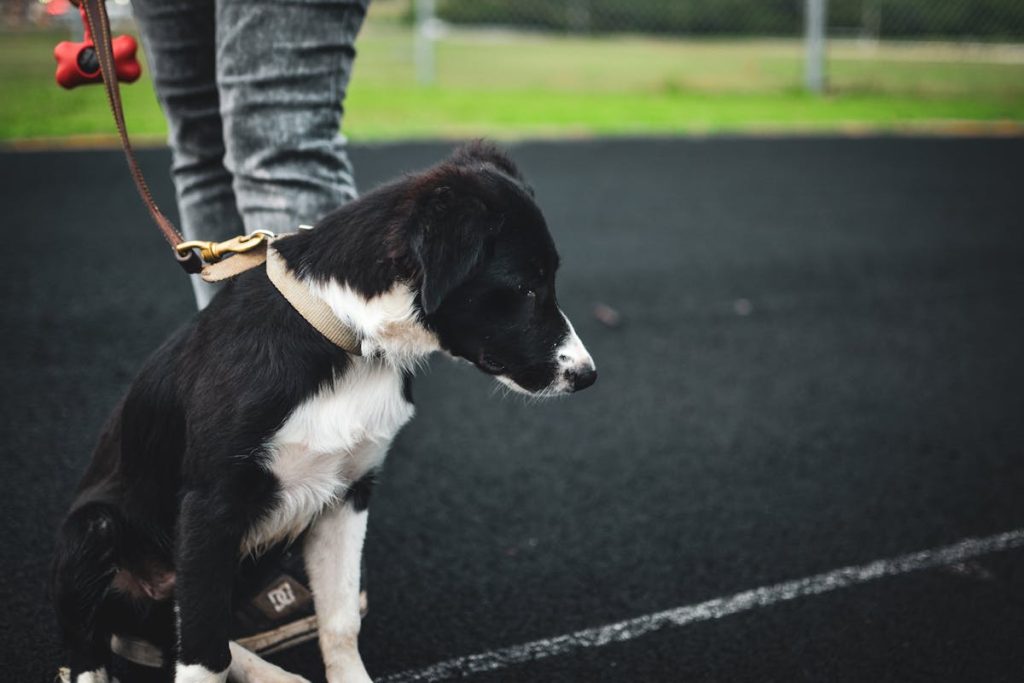
Next, go for a morning walk or light exercise session. For Toy and Miniature Poodles, a 15–30 minute walk is usually enough to satisfy their early burst of energy. Standard Poodles, being larger and more athletic, often benefit from a longer 30–45 minute brisk walk or even a short jog alongside you. Morning activity clears their mind, reduces restlessness, and prevents destructive behavior later in the day.
Feeding Schedule
Poodles do best on a structured feeding routine.
- Puppies: 3–4 small meals daily
- Adults: 2 balanced meals a day
- Seniors: 2 lighter meals with easy-to-digest food
Avoid free-feeding since Poodles can overeat, leading to obesity. Stick with high-quality protein, healthy fats, and fiber-rich foods. Never feed chocolate, grapes, onions, or heavily processed human foods.
Exercise Needs
Poodles are energetic, and without exercise, they can become restless or destructive.
- Standard Poodles: At least 1–2 hours of activity daily (walks, runs, swimming).
- Miniature Poodles: About 45 minutes to 1 hour daily.
- Toy Poodles: 20–40 minutes of light exercise daily.
Mix outdoor walks with indoor games like fetch or hide-and-seek to keep them entertained.
Mental Stimulation
Poodles are highly intelligent and crave mental challenges. Physical exercise alone won’t be enough. Use puzzle feeders, interactive toys, and obedience training to keep their minds sharp. A bored Poodle can quickly turn to chewing or barking for entertainment.
Afternoon Activities
Afternoons are great for another short walk or interactive play session. Standard Poodles often have midday energy bursts, so a run in the yard or a quick game of frisbee will keep them content.
Grooming Routine
Grooming is a huge part of owning a Poodle. Their curly coats require daily brushing to prevent tangles and mats.
- Daily: Brushing coat, wiping eyes
- Weekly: Bathing (every 2–3 weeks), trimming hair
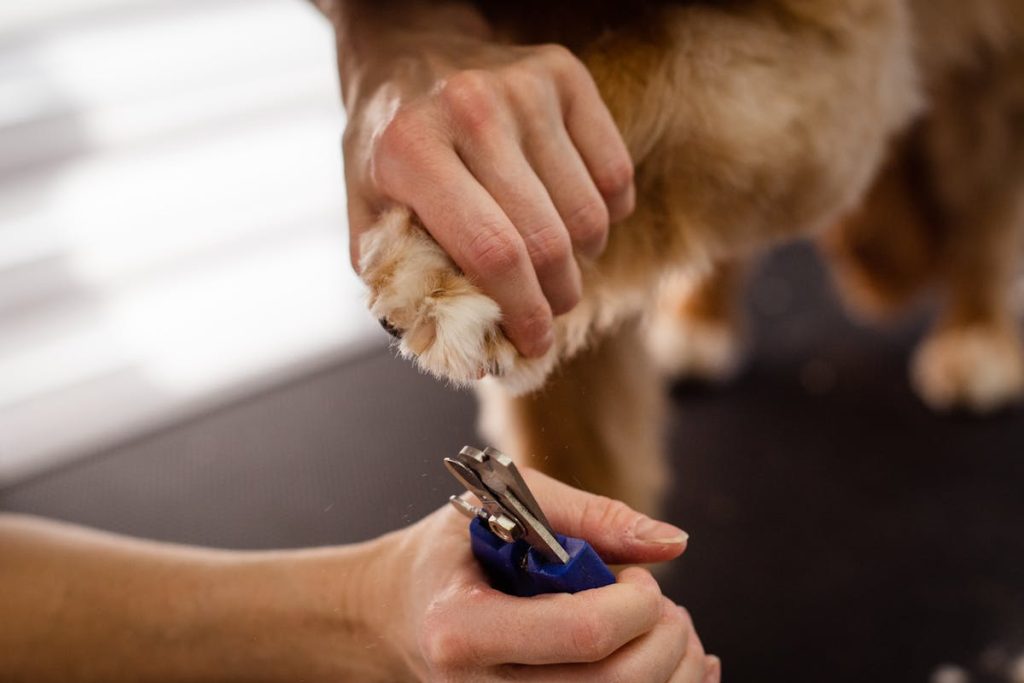
- Monthly: Ear cleaning, nail trimming, teeth brushing
A well-groomed Poodle not only looks stunning but also avoids painful skin issues.
Evening Routine
Wind down your Poodle’s day with a calm evening walk followed by dinner. After eating, let them rest before bedtime. Evening cuddles or quiet time on the couch help signal that the day is ending.
Sleep Schedule
Poodles need proper rest to stay healthy.
- Puppies: 18–20 hours of sleep
- Adults: 12–14 hours
- Seniors: 14–16 hours
Provide a cozy, quiet sleeping area away from disturbances so they feel safe.
Training as Part of Routine
Incorporate short training sessions into daily life. Whether it’s practicing sit, stay, or recall, training keeps your Poodle obedient and mentally engaged. Consistency builds confidence and strengthens your bond.
Socialization
Poodles are natural social butterflies, and their playful, curious personalities thrive on interaction. But socialization isn’t just about being friendly it’s about shaping a well-balanced dog that feels confident in different environments. Without proper exposure, even a smart and affectionate Poodle may develop anxiety, shyness, or unwanted behaviors like excessive barking or fear of strangers.
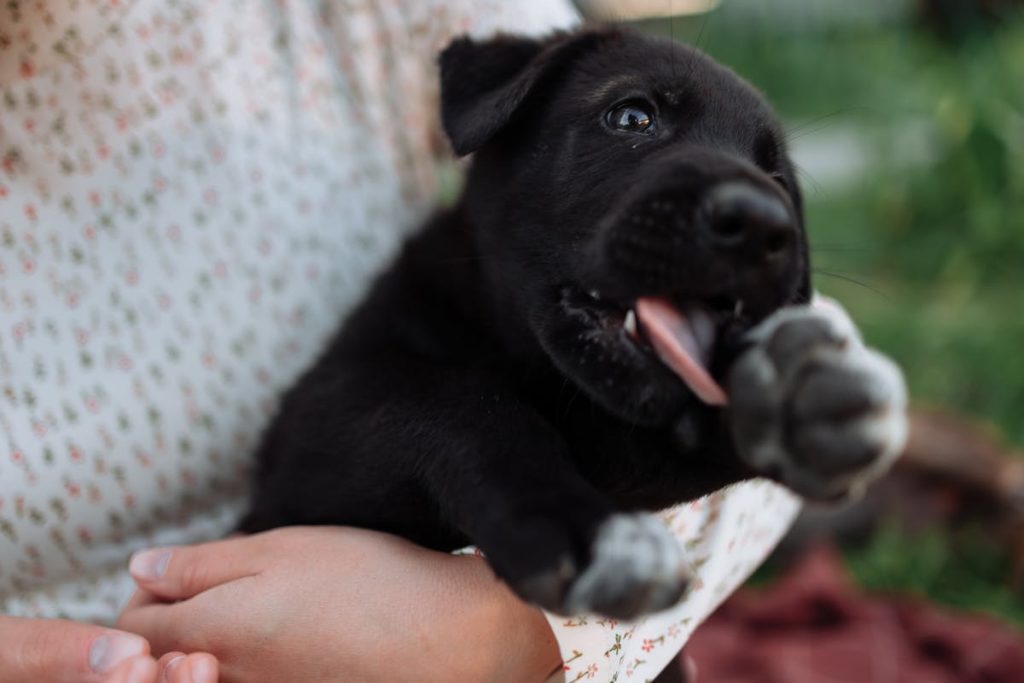
From the time they are puppies, Poodles should be gradually introduced to different people, animals, sounds, and environments. This helps them learn that the world is safe and exciting rather than scary. A puppy who is socialized early is far more likely to grow into an adaptable adult dog.
Health Check in Daily Routine
Take a few minutes each day to check your Poodle’s eyes, ears, coat, and paws. Early detection of lumps, redness, or unusual behavior can save you from bigger health problems later.
Weekly and Monthly Additions
Besides daily care, don’t forget monthly commitments:
- Professional grooming every 4–6 weeks
- Vet checkups twice a year
- Vaccinations and flea/tick prevention as recommended
Tips for Busy Owners
Life can get hectic, but your Poodle still needs routine. If you’re busy:
- Hire a dog walker for mid-day breaks
- Use puzzle toys when you’re away
- Consider doggy daycare for socialization and exercise
Consistency matters more than perfection—just do your best to stick to a pattern.
Conclusion
A Poodle’s daily routine isn’t just about feeding and walking—it’s about creating balance. When your Poodle gets the right mix of exercise, mental stimulation, grooming, and rest, they thrive both physically and emotionally. With a structured schedule, you’ll have a happy, healthy, and well-mannered companion for years to come.
FAQs
1. How many times a day should I walk my Poodle?
Most Poodles do well with two walks a day, but Standard Poodles may need longer sessions.
2. Can Toy Poodles get enough exercise indoors?
Yes, short play sessions and interactive toys indoors are often enough for Toy Poodles.
3. How often should I bathe my Poodle?
Every 2–3 weeks is ideal, but always brush daily to prevent mats.
4. Is dry food or wet food better for Poodles?
High-quality dry kibble helps with dental health, but mixing in wet food occasionally adds variety.
5. Do Poodles need professional grooming?
Yes, every 4–6 weeks. Their coats grow continuously and need expert trimming.