
123-456-7890
Call us today

123-456-7890
Call us today



Thinking about getting an Akita or just brought one home? You’re in for a wild, wonderful ride. These dogs are like having a loyal samurai warrior at your side strong, silent, fiercely loyal, and sometimes hilariously stubborn. But make no mistake, the first year with an Akita is a make-or-break period. This is when your bond forms, habits get set, and you’ll either build a best friend for life or set yourself up for a world of frustration.
Let’s break down everything you need to know in your Akita’s first 12 months.
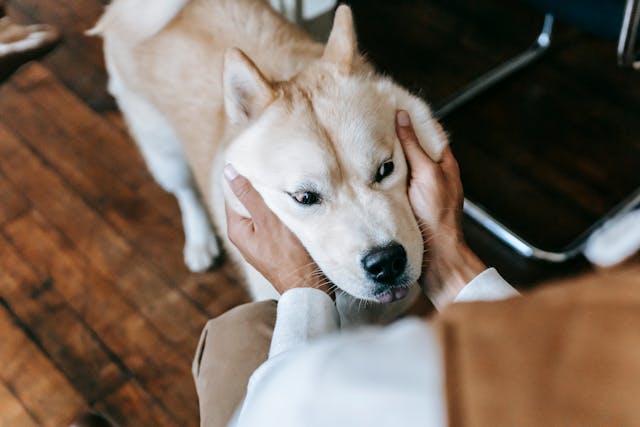
Before anything else, it’s crucial to understand the Akita’s heritage. Originating from Japan, Akitas were once used for guarding royalty and hunting big game like bears. That’s right bears. So yeah, you’re not dealing with a couch potato here.
Personality-wise, Akitas are:
Unlike Labrador Retrievers who love everyone, Akitas pick their people and protect them fiercely.
You wouldn’t bring home a baby without setting up a crib, right? Same idea here.
Here’s what you’ll need:
Akitas are curious and powerful, so make sure anything breakable, chewable, or dangerous is well out of reach.
The first week can be a rollercoaster. Your puppy might cry at night, hide under furniture, or shadow you like a stalker.
Here’s how to ease the transition:
Oh, and don’t invite the whole neighborhood over on day one. Let them settle in slowly.
If you take nothing else away from this article, remember this: SOCIALIZE YOUR AKITA EARLY AND OFTEN.
Expose them to:
Positive exposure now prevents fear-based aggression later. The window for socialization starts closing around 16 weeks don’t miss it.
Akitas aren’t picky, but their size and coat require nutrient-rich food.
Key tips:
Avoid overfeeding. Akitas can gain weight easily, which isn’t great for their joints.
Akitas are smart, but don’t mistake that for obedient. You need to be a calm, confident leader or they’ll run the show.
Focus on:
Be patient. They’re not golden retrievers. It might take a few tries.
Akitas are generally clean and catch on quickly but only if you’re consistent.
Tips:
Your Akita is going to be strong like, really strong. Leash training matters.
They may be leash-reactive to other dogs, so always stay alert.
That thick double coat? Beautiful—and a lot of work.
You’ll need:
Twice a year, your house will turn into a snow globe of fur. Stock up on lint rollers now.
Stay on top of:
Early vet visits are a great time to ask questions and get baseline health info.
Akitas don’t always show their cards. You’ll need to learn their body language.
Watch for:
They may show resource guarding or same-sex aggression both fixable with training and management.
A bored Akita is a destructive Akita.
Daily needs:
Avoid over-exercising puppies those joints are still growing.
You’ll know your Akita trusts you when they:
Do things together—walks, training, even car rides. Bonding is everything.
Expect:
Don’t go it alone. If you’re struggling, work with a professional trainer—preferably one familiar with Akitas.
The first year with an Akita can be intense but also deeply rewarding. With the right approach, consistency, and a lot of love, you’ll raise a companion who’s fiercely loyal, protective, and a true member of your family.
Remember: Akitas aren’t for everyone. But if you’re committed, patient, and willing to learn, they’ll give you everything they’ve got—heart and soul.
Q1. Are Akitas good for families with kids?
Yes, but only if properly socialized and supervised. Akitas can be protective and may not tolerate rough play from young children.
Q2. How do I stop my Akita from being aggressive toward other dogs?
Early and consistent socialization is key. If aggression appears, consult a trainer experienced with Akitas.
Q3. How much should I exercise my Akita daily?
Aim for 45–60 minutes of physical activity, plus mental stimulation like training or games.
Q4. Do Akitas bark a lot?
Not typically. Akitas are quiet watchdogs who bark only when necessary but when they do, you’ll hear it.
Q5. Can I leave my Akita alone at home?
Yes, but gradually build up alone time. Crate training and enrichment toys help prevent separation anxiety or destructive behavior.
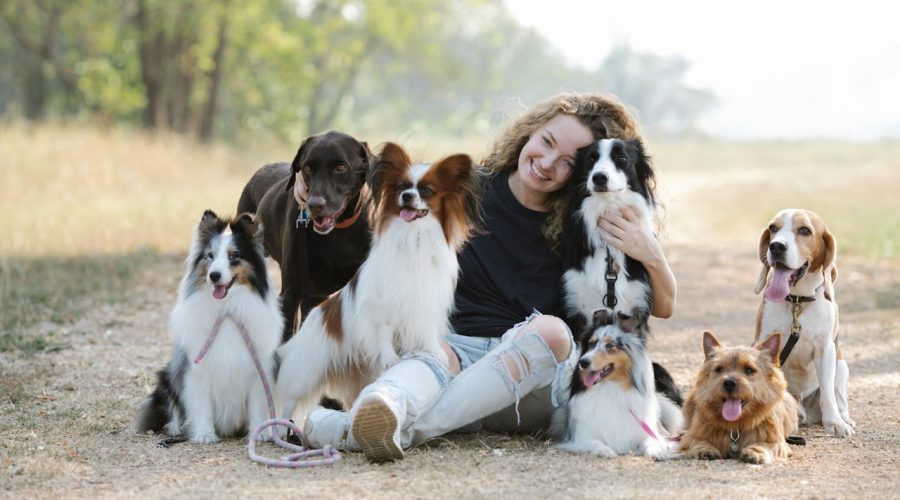
When choosing a puppy for your home, family-friendly dog breeds make all the difference. These breeds are known for their gentle temperaments, sociability, and adaptability, making them ideal for households with children, seniors, or other pets. A well-matched family dog can bring joy, teach responsibility, and even improve your mental well-being.
But not every dog breed fits every family. At Petland Summerville, we prioritize pairing the right dog with the right home, ensuring both pet and owner thrive.
At Petland Summerville, we carefully vet each puppy we offer. Our puppies come from reputable, USDA-licensed breeders, and each one is:
Our knowledgeable staff guides every family through the selection process, considering lifestyle, home size, activity level, and allergies. Whether you’re looking for a playful pup for your kids or a calm companion for quiet evenings, we help you find your perfect match.
Labrador Retrievers are friendly, intelligent, and outgoing. They’re known for being incredibly patient with children, making them ideal for larger families. Their loyal, even-tempered nature makes them great first dogs for new pet owners.
Labs thrive in homes where they have space to run and play, such as houses with backyards. They’re also great swimmers and love outdoor adventures, so they suit active families perfectly.
Labs require daily exercise and mental stimulation to stay healthy. Their short coats are easy to maintain with weekly brushing, though they do shed. Regular playtime and walks are a must.
Labs are natural retrievers and love activities that engage their instincts, so incorporating fetch or water play into their routine is a great way to keep them happy. Without enough activity, they can become bored, which often leads to unwanted behaviors like chewing or excessive barking.
Golden Retrievers are affectionate, trustworthy, and eager to please. They’re one of the most popular family dogs in the U.S., known for their gentle approach with kids and ability to bond deeply with every family member.
Goldens are incredibly tolerant and gentle, even with toddlers. Their playful and calm demeanor makes them an excellent choice for homes with multiple children.
Golden Retrievers typically live 10-12 years. Regular vet checkups and a balanced diet help prevent common health issues like hip dysplasia.
The Cavapoo, a mix of Cavalier King Charles Spaniel and Poodle, is known for its low-shedding, hypoallergenic coat—ideal for families with allergy concerns.
Due to their small size and low energy levels, Cavapoos are perfect for apartment living. They’re affectionate lap dogs that also enjoy short walks and playtime.
Cavapoos are intelligent and eager to learn, making them easy to train. Socialization from an early age ensures they’re comfortable with strangers and other pets.
Beagles are lively, curious, and full of energy. Their compact size and fun-loving nature make them great for families who love outdoor activities and frequent play.
Beagles are pack animals, meaning they do well in households with other pets. They love companionship and can get lonely if left alone too long.
| Pros | Cons |
| Energetic and fun-loving | Prone to barking |
| Good with children | Can be stubborn to train |
| Minimal grooming | Requires exercise |
French Bulldogs are small, quiet, and adaptable, making them ideal for families in apartments or smaller homes. They don’t need much exercise and love lounging with their owners.
These dogs are affectionate and playful, often forming close bonds with kids. Their gentle demeanor makes them great with children of all ages.
Frenchies are relatively low-maintenance but require attention to their breathing and temperature regulation due to their flat faces. Regular vet care and moderate exercise are key.
Choose a breed that aligns with your family’s energy level, noise tolerance, and grooming commitment. Our team at Petland Summerville helps guide this decision with expert advice.
Every puppy comes with:
We prioritize your puppy’s well-being and your peace of mind.
Drop by Petland Summerville to meet puppies in person, interact with different breeds, and get all your questions answered.
Explore more at: Petland Summerville
Golden Retrievers and Cavapoos are great for beginners due to their easy-going nature and trainability.
Yes, breeds like Cavapoos produce fewer allergens, making them better for allergy-sensitive households.
Yes, as long as they’re properly socialized. French Bulldogs and Cavapoos are both gentle and kid-friendly.
At least once a year for healthy dogs, but puppies may need more frequent visits during their first year.
Bring a list of preferred breeds, questions for staff, and allergy considerations if applicable.
Yes, you can reserve a puppy online through our website and schedule an in-person visit.
Choosing a dog is a big decision, but with the right guidance, you’ll find a pup who fits seamlessly into your home. At Petland Summerville, we’re here to help every step of the way. Visit us today and let us help you discover your new best friend.

Summer is for sun-drenched adventures, and your playful puppy is probably bouncing off the walls, ready to join in every outdoor activity. While it’s wonderful to bond and burn off that puppy energy, summer heat poses a significant risk: overheating. Puppies are especially vulnerable to heatstroke, making it crucial to choose their playtime activities wisely.
The good news? You don’t have to put playtime on hold! With a little planning and creativity, you can enjoy stimulating and fun outdoor games that keep your puppy cool, safe, and happy.
Your puppy’s desire to play doesn’t diminish with the rising temperatures, but their ability to cool down does. Unlike humans, dogs don’t sweat efficiently through their skin; they primarily rely on panting. This makes them highly susceptible to heat exhaustion and heatstroke, especially during vigorous exercise.
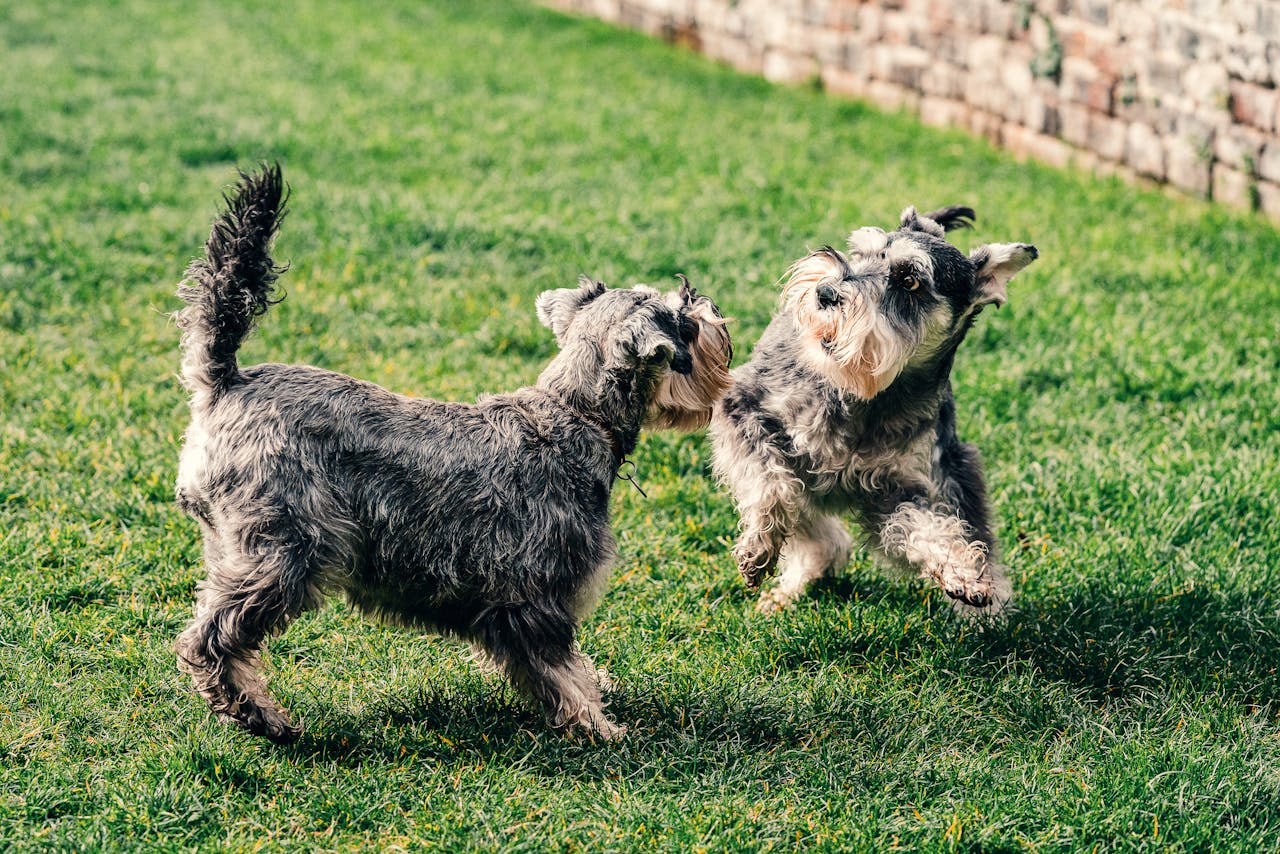
Before diving into game ideas, always adhere to these vital rules:
Here are some fantastic outdoor games that prioritize your puppy’s safety in the heat:
Fetch is a puppy classic, but it needs modification for summer.
This game is fantastic for mental stimulation and helps reinforce recall, often requiring less strenuous physical activity.
Supervise water play closely, especially for puppies new to water.
Engage their incredible sense of smell for a low-impact, high-reward activity.
Lightweight, fun, and can be done without much running.
Tug is a favorite for many puppies, but intensity matters in the heat.
Once playtime is over, ensure a proper cool down:
By prioritizing your puppy’s safety and choosing appropriate games, you can make this summer a season of joyful, unforgettable adventures for both of you!
Here are answers to common questions about keeping your puppy safe and entertained during summer outdoor play:
Q1: What’s the biggest risk for puppies playing outside in summer?
A1: Overheating and heatstroke. Puppies cannot regulate their body temperature as efficiently as adult dogs or humans, making them highly susceptible to heat-related illnesses during playtime. Hot pavement also poses a significant risk for paw burns.
Q2: What are the absolute “must-dos” before playing with my puppy outside in summer?
A2: Always check the time of day (avoiding midday), ensure you have fresh, cool water, play only in deep shade, and test the ground temperature with your hand before letting your puppy walk on it.
Q3: My puppy loves to play fetch. How can I make it safe in the summer?
A3: Play “Shady Fetch.” Keep throws short, play only in a completely shaded area (like under large trees), use lightweight toys, and take frequent water breaks. Avoid intense, long-distance fetch sessions in the heat.
Q4: How can I tell if my puppy is getting too hot during play? A4: Watch for excessive panting (faster and deeper than usual), increased drooling, bright red gums, lethargy or weakness, staggering, or a sudden loss of interest in play. If you see any of these signs, stop play immediately and begin cooling measures.
Q5: Are all water games safe for puppies in summer? A5: Water games like a shallow kiddie pool or sprinkler can be great for cooling, but always supervise closely. Ensure the water is clean and shallow enough for your puppy to stand. Avoid forced swimming or deep bodies of water unless your puppy is a strong, confident swimmer and you are prepared for water safety. Also, make sure they don’t ingest too much water.
Q6: What if my puppy wants to keep playing even when it’s too hot or they’re tired? A6: It’s your responsibility to end the play session. Puppies, especially those with high energy, often don’t know when to stop. Gently redirect them to a cool, shaded resting spot, offer water, and engage them with a quiet, mentally stimulating activity (like a puzzle toy) indoors.
Q7: Can my puppy still go to the dog park in summer? A7: Use extreme caution. Dog parks often lack adequate shade and water, and other dogs might not be managed as carefully. If you go, choose the coolest parts of the day, ensure there’s ample shade and water, and leave immediately if it gets too crowded, too hot, or if other dogs are over-exercising. Short, well-supervised visits are key. Many vets advise avoiding dog parks entirely on hot days.
Q8: What are some good indoor games for puppies on extremely hot summer days? A8: When it’s just too hot for outdoor play, focus on indoor mental stimulation.
Q9: What should I do immediately if I suspect my puppy has heatstroke during playtime? A9:


516 Columbia Blvd
Sonoma, CA 21202

Office: 772-619-6309
Inquiries: 772-619-6432

Mon - Fri: 9am - 8pm
Sat - Sun: Closed