
Introduction
Thinking about getting an Akita or just brought one home? You’re in for a wild, wonderful ride. These dogs are like having a loyal samurai warrior at your side strong, silent, fiercely loyal, and sometimes hilariously stubborn. But make no mistake, the first year with an Akita is a make-or-break period. This is when your bond forms, habits get set, and you’ll either build a best friend for life or set yourself up for a world of frustration.
Let’s break down everything you need to know in your Akita’s first 12 months.
Getting to Know the Akita
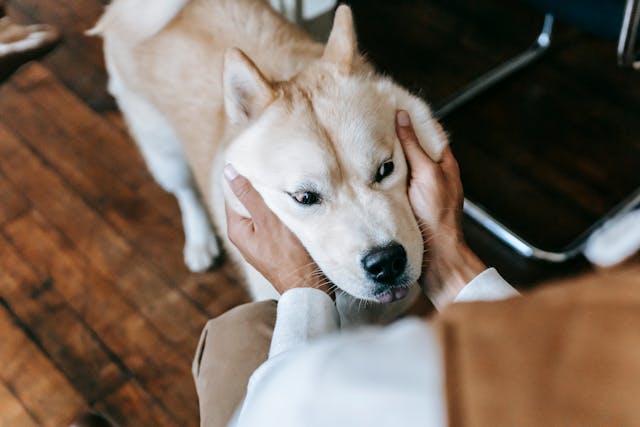
Before anything else, it’s crucial to understand the Akita’s heritage. Originating from Japan, Akitas were once used for guarding royalty and hunting big game like bears. That’s right bears. So yeah, you’re not dealing with a couch potato here.
Personality-wise, Akitas are:
- Independent thinkers
- Extremely loyal to their people
- Reserved, sometimes aloof with strangers
- Naturally protective of their home and family
Unlike Labrador Retrievers who love everyone, Akitas pick their people and protect them fiercely.
Preparing Your Home for an Akita Puppy
You wouldn’t bring home a baby without setting up a crib, right? Same idea here.
Here’s what you’ll need:
- A secure crate for training and downtime
- Chew toys and puzzle feeders to keep them engaged
- Baby gates (yes, even for dogs) to set boundaries
- A designated potty area for outdoor training
Akitas are curious and powerful, so make sure anything breakable, chewable, or dangerous is well out of reach.
The First Week Home
The first week can be a rollercoaster. Your puppy might cry at night, hide under furniture, or shadow you like a stalker.
Here’s how to ease the transition:
- Stick to a routine meals, potty, naps
- Use the crate for quiet time, not punishment
- Expect some accidents and sleepless nights
Oh, and don’t invite the whole neighborhood over on day one. Let them settle in slowly.
Socialization is Key
If you take nothing else away from this article, remember this: SOCIALIZE YOUR AKITA EARLY AND OFTEN.
Expose them to:
- New people (men, women, kids)
- Other friendly, well-behaved dogs
- Cars, parks, pet stores, even vacuum cleaners
Positive exposure now prevents fear-based aggression later. The window for socialization starts closing around 16 weeks don’t miss it.
Feeding and Nutrition
Akitas aren’t picky, but their size and coat require nutrient-rich food.
Key tips:
- Choose a high-quality large-breed puppy formula
- Stick to a schedule (2–3 meals a day)
- Watch for signs of food allergies itching, ear infections, or upset stomachs
Avoid overfeeding. Akitas can gain weight easily, which isn’t great for their joints.
Training an Akita
Akitas are smart, but don’t mistake that for obedient. You need to be a calm, confident leader or they’ll run the show.
Focus on:
- Basic commands like sit, stay, come, and leave it
- Clear boundaries from day one
- Reward-based training (treats, praise, play)
Be patient. They’re not golden retrievers. It might take a few tries.
Potty Training
Akitas are generally clean and catch on quickly but only if you’re consistent.
Tips:
- Take them out first thing in the morning, after meals, and before bed
- Praise and treat immediately after they go
- Clean up accidents with an enzymatic cleaner (they hate peeing where they smell old messes)
Leash Training
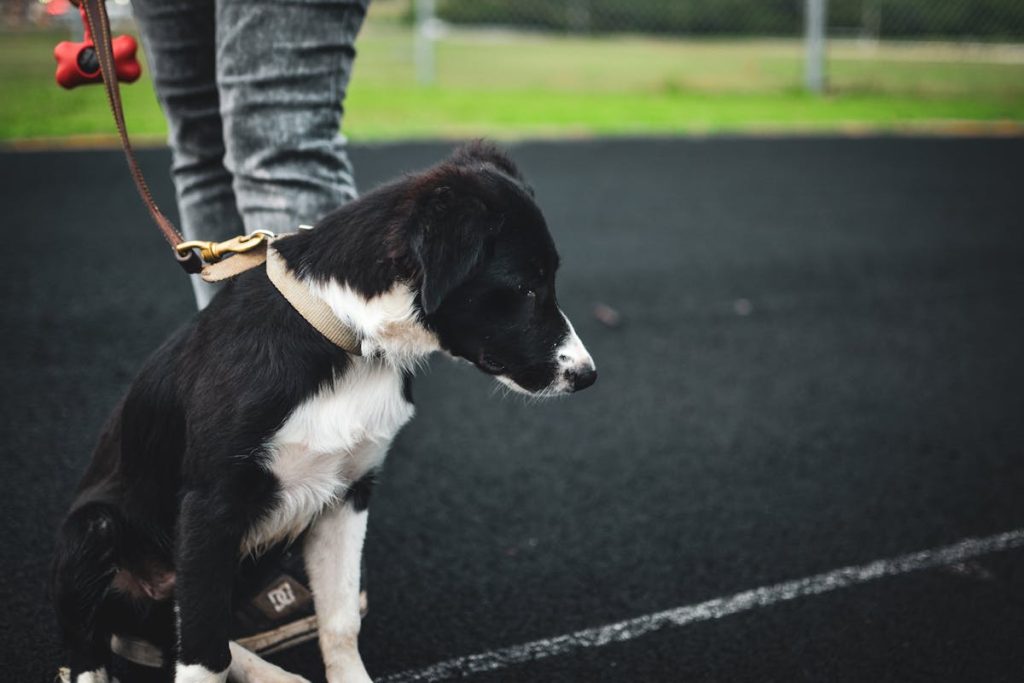
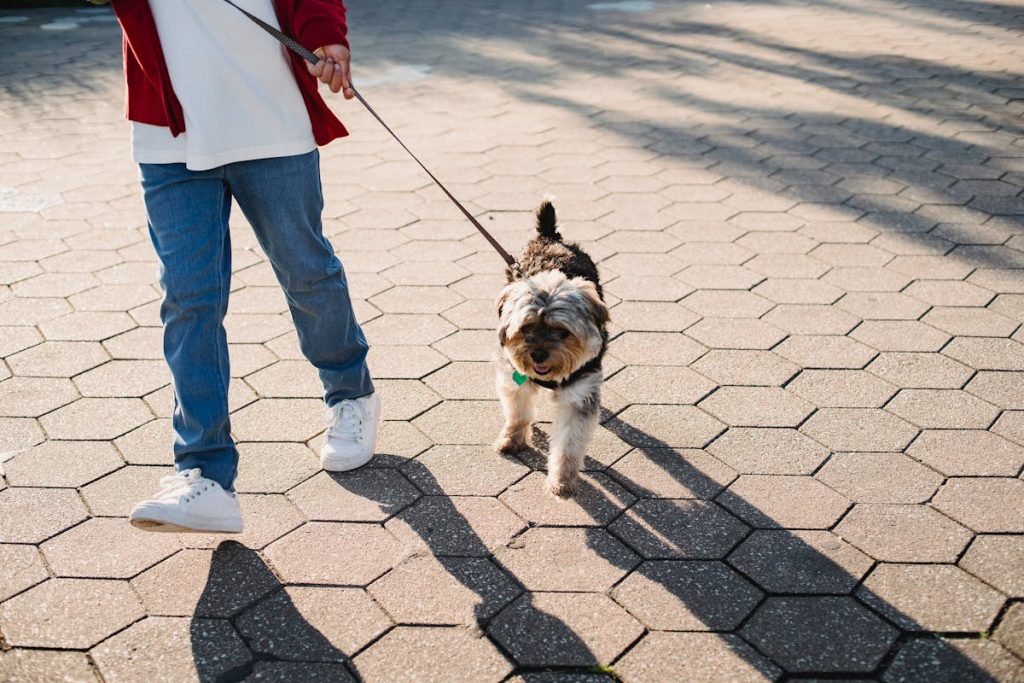
Your Akita is going to be strong like, really strong. Leash training matters.
- Start early and keep sessions short
- Use a front-clip harness to discourage pulling
- Don’t yank redirect and reward calm walking
They may be leash-reactive to other dogs, so always stay alert.
Grooming Needs
That thick double coat? Beautiful—and a lot of work.
You’ll need:
- Weekly brushing (daily during shedding season)
- Monthly baths (or as needed)
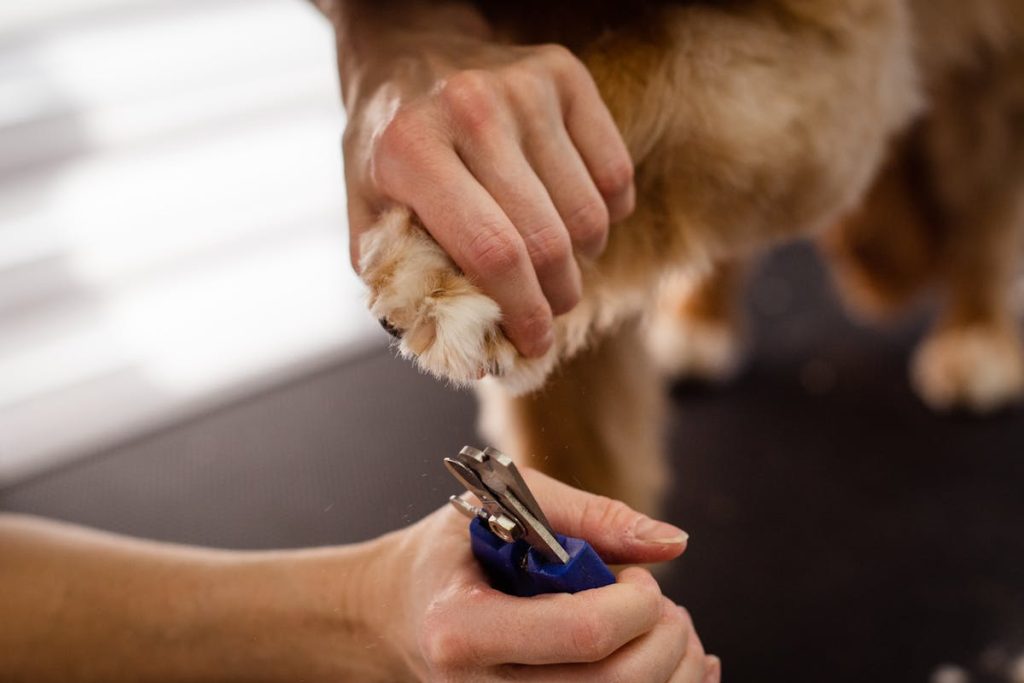
- Nail trims every 2–3 weeks
- Teeth brushing at least 2–3 times a week
Twice a year, your house will turn into a snow globe of fur. Stock up on lint rollers now.
Veterinary Care in the First Year
Stay on top of:
- Vaccination schedule (rabies, distemper, parvo, etc.)
- Flea, tick, and heartworm prevention
- Spaying or neutering (talk to your vet about timing—it can affect behavior)
Early vet visits are a great time to ask questions and get baseline health info.
Understanding Akita Behavior
Akitas don’t always show their cards. You’ll need to learn their body language.
Watch for:
- Stiff posture or hard stares (could mean “back off”)
- Tail down or ears pinned (fear or submission)
- Sudden silence after barking (they’re assessing)
They may show resource guarding or same-sex aggression both fixable with training and management.
Exercise and Mental Stimulation
A bored Akita is a destructive Akita.
Daily needs:
- 45–60 minutes of physical activity
- Puzzle toys or scent games for brain work
- Walks with different routes and smells
Avoid over-exercising puppies those joints are still growing.
The Importance of Bonding
You’ll know your Akita trusts you when they:
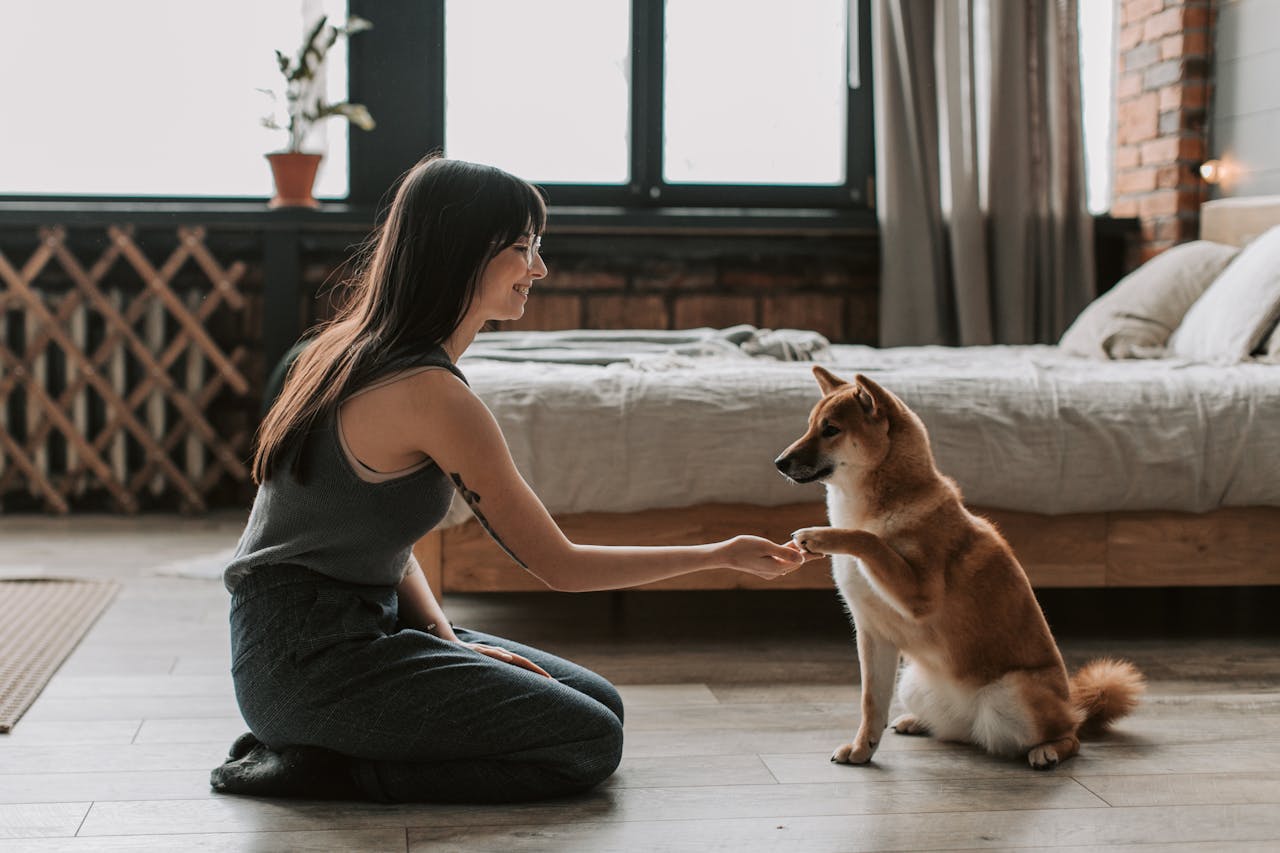
- Lean on you (literally)
- Follow you from room to room
- Let their guard down and play
Do things together—walks, training, even car rides. Bonding is everything.
Challenges First-Time Akita Owners Face
Expect:
- Strong-willed behavior
- Distrust of strangers
- Difficulty with off-leash recall
Don’t go it alone. If you’re struggling, work with a professional trainer—preferably one familiar with Akitas.
Conclusion
The first year with an Akita can be intense but also deeply rewarding. With the right approach, consistency, and a lot of love, you’ll raise a companion who’s fiercely loyal, protective, and a true member of your family.
Remember: Akitas aren’t for everyone. But if you’re committed, patient, and willing to learn, they’ll give you everything they’ve got—heart and soul.
FAQs
Q1. Are Akitas good for families with kids?
Yes, but only if properly socialized and supervised. Akitas can be protective and may not tolerate rough play from young children.
Q2. How do I stop my Akita from being aggressive toward other dogs?
Early and consistent socialization is key. If aggression appears, consult a trainer experienced with Akitas.
Q3. How much should I exercise my Akita daily?
Aim for 45–60 minutes of physical activity, plus mental stimulation like training or games.
Q4. Do Akitas bark a lot?
Not typically. Akitas are quiet watchdogs who bark only when necessary but when they do, you’ll hear it.
Q5. Can I leave my Akita alone at home?
Yes, but gradually build up alone time. Crate training and enrichment toys help prevent separation anxiety or destructive behavior.