123-456-7890
Call us today
123-456-7890
Call us today

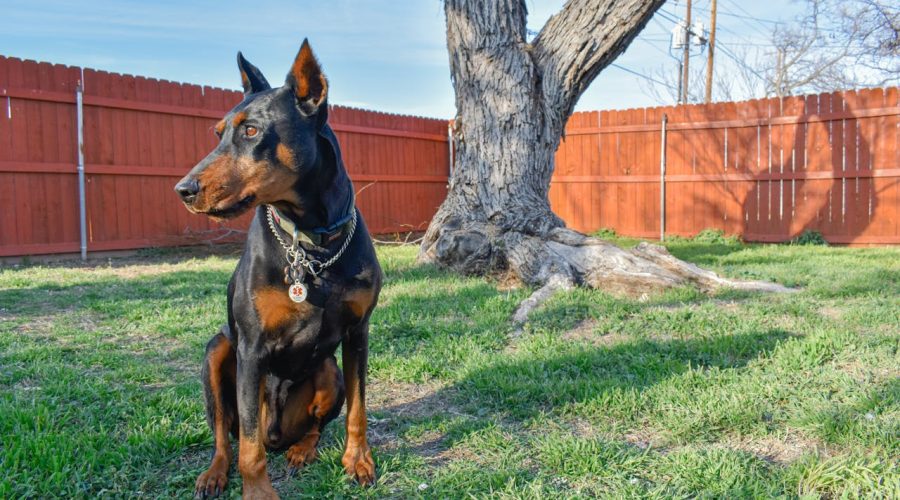
The Doberman Pinscher is one of the most intelligent, loyal, and protective dog breeds in the world. Known for their athletic build and fearless nature, Dobermans make exceptional family companions and watchdogs when properly trained and cared for. However, their strength and energy mean they need an owner who understands their needs and lifestyle.
Dobermans are often misunderstood due to their intimidating looks, but beneath that sleek exterior lies a heart full of devotion.
These dogs are bred for protection, which makes them naturally loyal and affectionate toward their family. They form strong bonds and are happiest when included in daily family life.
Absolutely! With the right training and socialization, Dobermans are gentle with children and protective of their loved ones. They thrive on companionship and love being active participants in household activities.
Dobermans need space to stretch, play, and move freely. While they can adapt to apartment living, daily walks and outdoor playtime are essential to prevent boredom and anxiety.
Before bringing your Doberman home, invest in a secure collar, leash, and a comfortable bed. Also, consider baby gates or fences if you have a yard — Dobermans are strong and fast, so safety is key.
A balanced diet is essential for a Doberman’s health and muscle maintenance. High-quality dog food rich in lean protein, healthy fats, and complex carbohydrates works best. Choose foods that contain real meat, brown rice, and omega fatty acids for coat health.
Avoid foods like chocolate, onions, grapes, and anything high in salt or sugar. Also, steer clear of low-quality kibble with fillers like corn or soy — they can cause digestive issues and allergies.
Dobermans are energetic and athletic. They need at least 60–90 minutes of exercise each day, including walks, runs, and play sessions. Without enough activity, they can become restless or destructive.
Keep their sharp minds active with puzzle toys, obedience games, and agility training. A bored Doberman can quickly find “creative” (and often destructive) ways to entertain themselves!
Dobermans have a short, sleek coat that’s easy to maintain. Brush them once a week to remove loose hairs and bathe every 4–6 weeks using a gentle dog shampoo to keep their coat shiny.
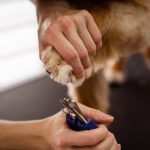
Trim their nails regularly to prevent overgrowth. Clean their ears weekly to avoid infections and brush their teeth at least three times a week to maintain oral health.
Dobermans respond well to positive reinforcement — use treats, praise, and consistency. Start obedience training early to teach commands like sit, stay, and come.
Expose your Doberman puppy to different environments, people, and other dogs early on. This helps them grow into well-adjusted, confident adults.
Dobermans are prone to dilated cardiomyopathy (DCM), a condition that affects the heart muscles. Regular checkups and early detection can help manage this condition effectively.
Joint health is another concern. Maintaining a healthy weight and giving joint supplements can help prevent or manage hip dysplasia.
Because of their short coat, Dobermans can suffer from skin dryness or allergies. Omega-3 supplements and hypoallergenic shampoos can help.
Keep your Doberman’s vaccination schedule updated. Regular deworming and flea treatments are also essential to keep them parasite-free.
Schedule annual vet visits for complete health exams, including bloodwork and heart screenings. Early detection can make all the difference in long-term health.
Dobermans are extremely loyal and dislike being left alone for long periods. Provide mental stimulation, toys, and comfort to reduce anxiety.
Keep harmful chemicals, small objects, and electrical cords out of reach. A safe environment ensures a worry-free life for both you and your dog.
As Dobermans age, they become less active. Switch to senior dog food with joint-supporting ingredients and reduce the intensity of exercise while maintaining regular movement.
Provide soft bedding, easy access to food and water, and gentle massages to keep your senior Doberman comfortable and mobile.
Caring for a Doberman Pinscher is a rewarding experience. These intelligent, loyal dogs give their all to their families — and they deserve the same in return. With the right care, training, and love, your Doberman will remain a healthy, devoted companion for years to come.
1. How often should I bathe my Doberman Pinscher?
Every 4–6 weeks is ideal, unless they get dirty sooner.
2. What’s the best food for Doberman Pinschers?
High-protein dog food with real meat and omega fatty acids supports muscle and coat health.
3. How much exercise does a Doberman need daily?
At least 60–90 minutes of physical and mental activity each day.
4. Are Dobermans good with children?
Yes, with proper training and supervision, Dobermans can be gentle and protective family pets.
5. What health issues should I watch for?
Heart problems, hip dysplasia, and skin allergies are the most common in this breed.

Pomeranians may be small in size, but their nutritional needs are anything but tiny. Choosing the right food plays a huge role in their energy, coat quality, and long-term health. In this guide, we’ll explore the best foods, portion sizes, and diet tips to keep your Pom happy and thriving.
Nutrition directly affects your Pomeranian’s life expectancy and overall health. A poor diet can lead to obesity, dental issues, and even joint stress. Sadly, many owners unintentionally overfeed or give foods that aren’t suitable for this toy breed. A balanced diet ensures your pup stays active, playful, and disease-free.
Because Pomeranians are toy-sized dogs, their metabolism runs faster than larger breeds. They burn calories quickly, meaning they need nutrient-dense meals rather than empty fillers.
High-quality protein helps maintain muscle and supports growth. Look for chicken, turkey, beef, or fish as the first ingredient in commercial foods.
Healthy fats like omega-3 and omega-6 improve coat shine and skin health. Salmon oil and flaxseed are excellent sources.
Carbs provide energy, but too many can lead to weight gain. Choose whole grains like brown rice or sweet potatoes.
Calcium, phosphorus, and vitamins A, D, and E are essential for bone, vision, and immune support.
Hydration is often overlooked. A Pomeranian should always have access to fresh water to prevent dehydration.
Small-bite kibble is perfect for their tiny mouths. Choose brands with real meat as the main ingredient.
Great for picky eaters, wet food provides hydration and a softer texture.
These are nutrient-rich, though often more expensive. Always buy from trusted brands to avoid contamination.
Grain-free diets are popular, but many Pomeranians do well on balanced grain-inclusive foods. Only switch if your pup has allergies.
Lean meats, carrots, peas, spinach, rice, and pumpkin are all safe for Poms.
Never feed onions, garlic, chocolate, grapes, or xylitol—they are toxic to dogs.
Overfeeding leads to weight problems, which is dangerous for a small breed like the Pomeranian.
Some Poms are allergic to chicken or grains. Switch to fish or lamb formulas if needed.
Low-calorie foods help overweight Pomeranians slim down without losing energy.
Since Poms are prone to dental issues, kibble that scrubs teeth is helpful.
Healthy treats like apple slices, carrots, or dental chews are great in moderation. Keep treats under 10% of their daily calorie intake.
Not all dogs need supplements, but fish oil, glucosamine, and probiotics can benefit coat, joints, and digestion.
Poms may not drink much water naturally. Add a splash of low-sodium broth to encourage hydration.
Watch out for dull coats, itchy skin, low energy, or frequent stomach upset. These are red flags that their diet may not be working.
Switch food slowly over 7–10 days to prevent diarrhea. Start with 25% new food, then gradually increase.
Feeding your Pomeranian isn’t about choosing the fanciest food—it’s about balance. Whether you go with high-quality kibble, wet food, or homemade meals, what matters most is portion control, safe ingredients, and meeting their nutritional needs. A well-fed Pom is a happy, energetic companion that will bring joy for years to come.
1. How many times a day should I feed my Pomeranian?
Puppies need 3–4 meals daily, while adults do well with 2 meals.
2. Can Pomeranians eat homemade food only?
Yes, but meals must be balanced with protein, carbs, and vitamins.
3. What’s the best food for Pomeranians with allergies?
Limited-ingredient diets with lamb or fish are good options.
4. How much should a Pomeranian eat daily?
Usually ¼ to ½ cup of food, depending on age and activity.
5. Are supplements necessary for Pomeranians?
Not always, but omega oils and probiotics can boost health.

516 Columbia Blvd
Sonoma, CA 21202

Office: 772-619-6309
Inquiries: 772-619-6432

Mon - Fri: 9am - 8pm
Sat - Sun: Closed