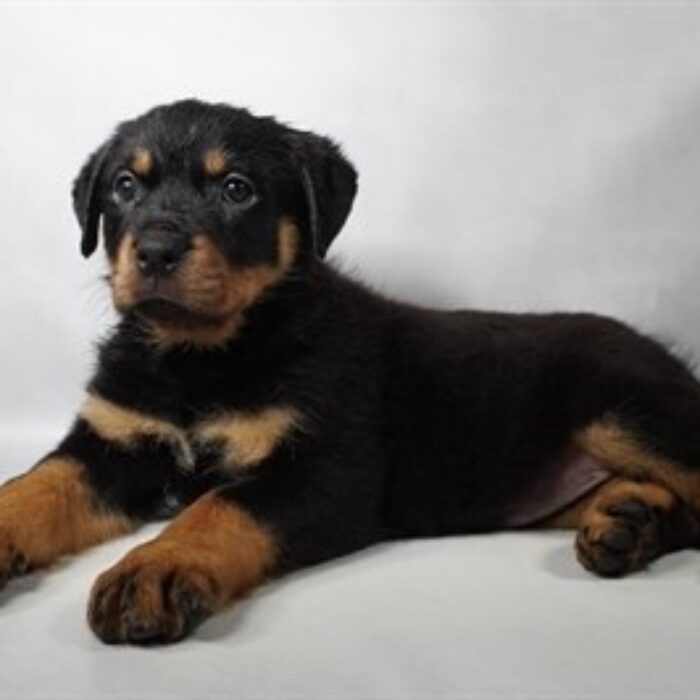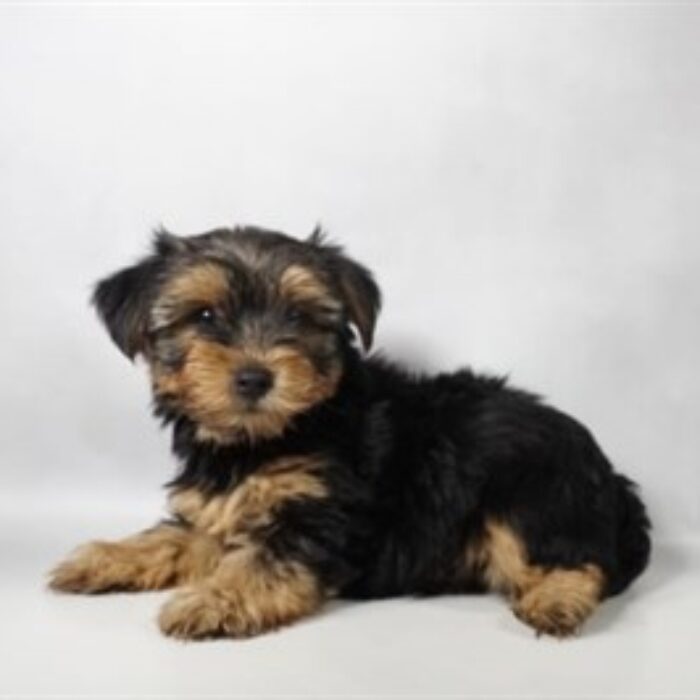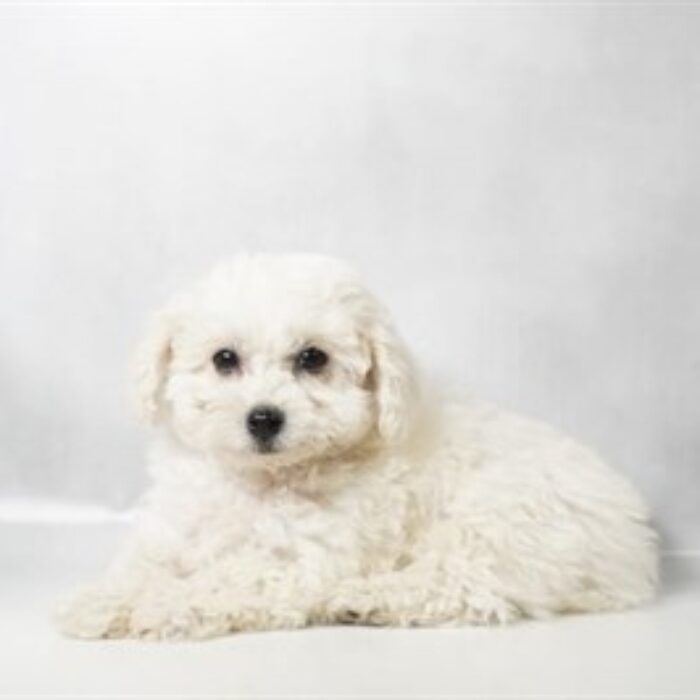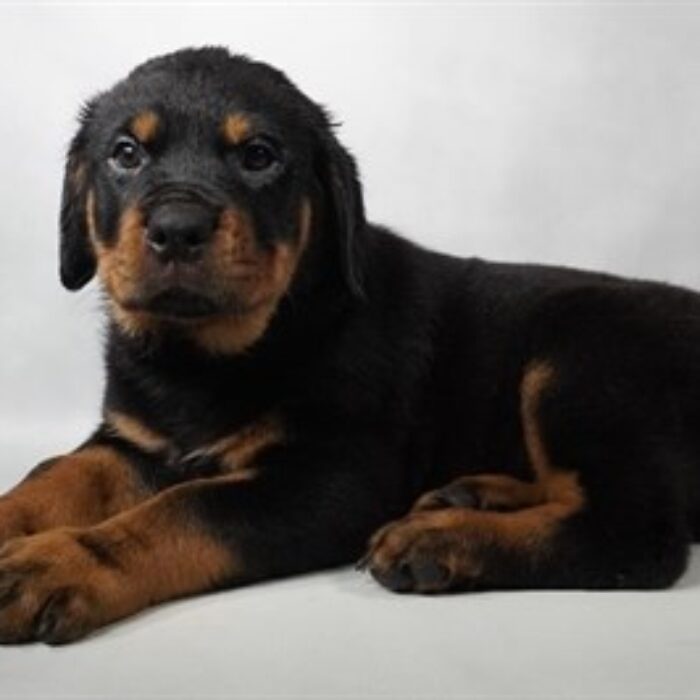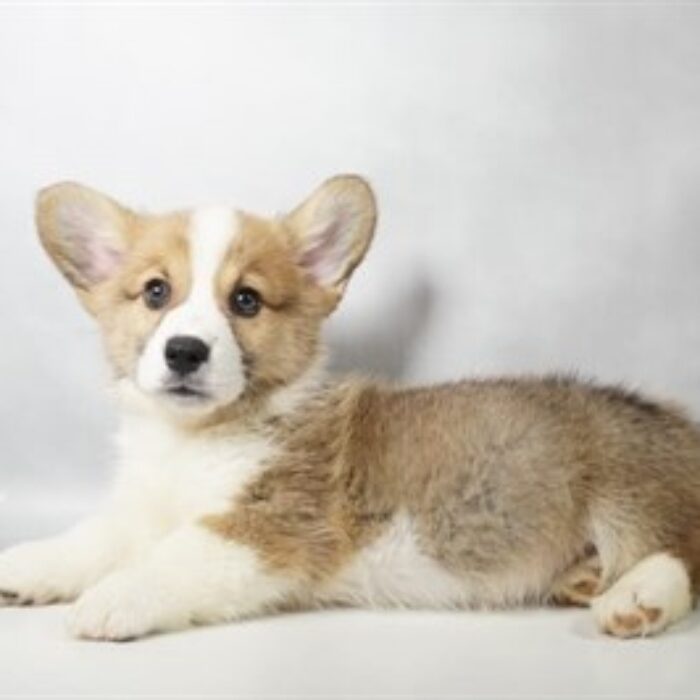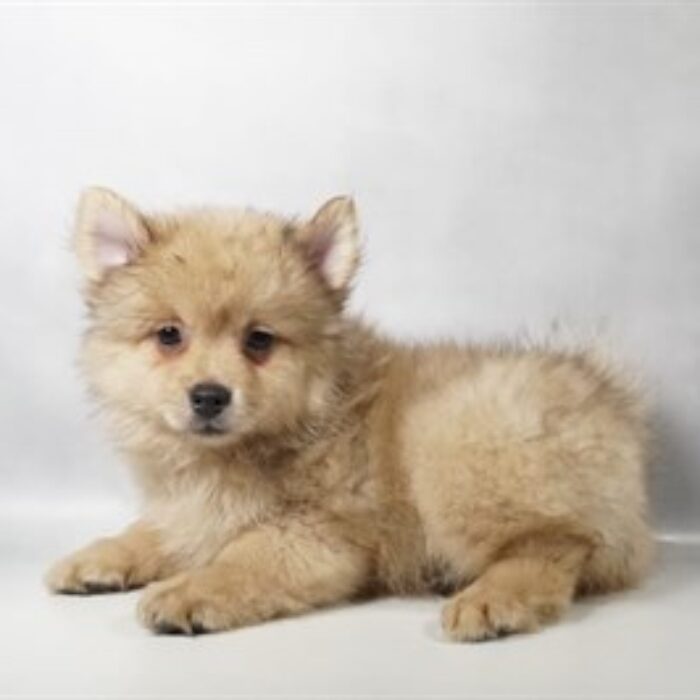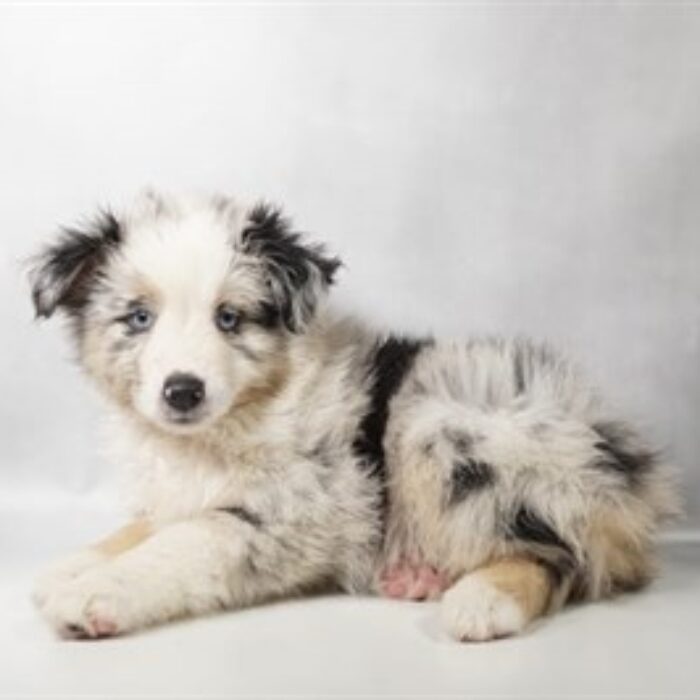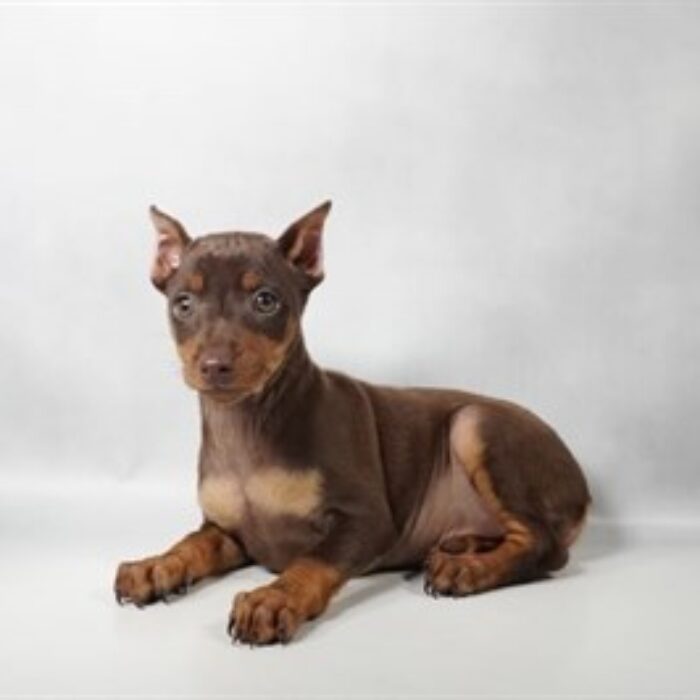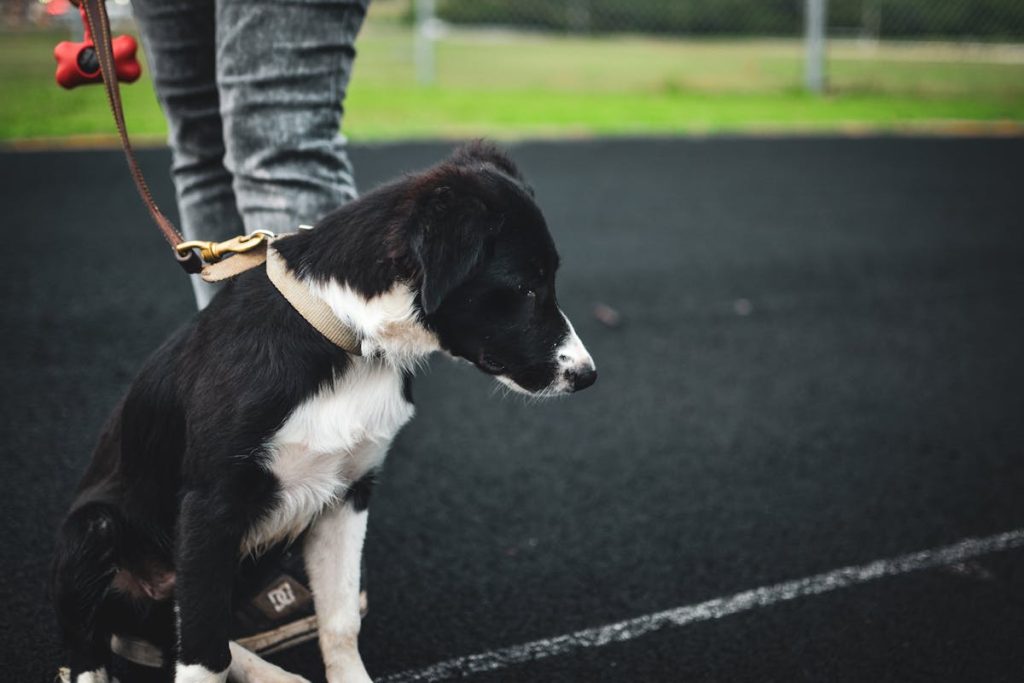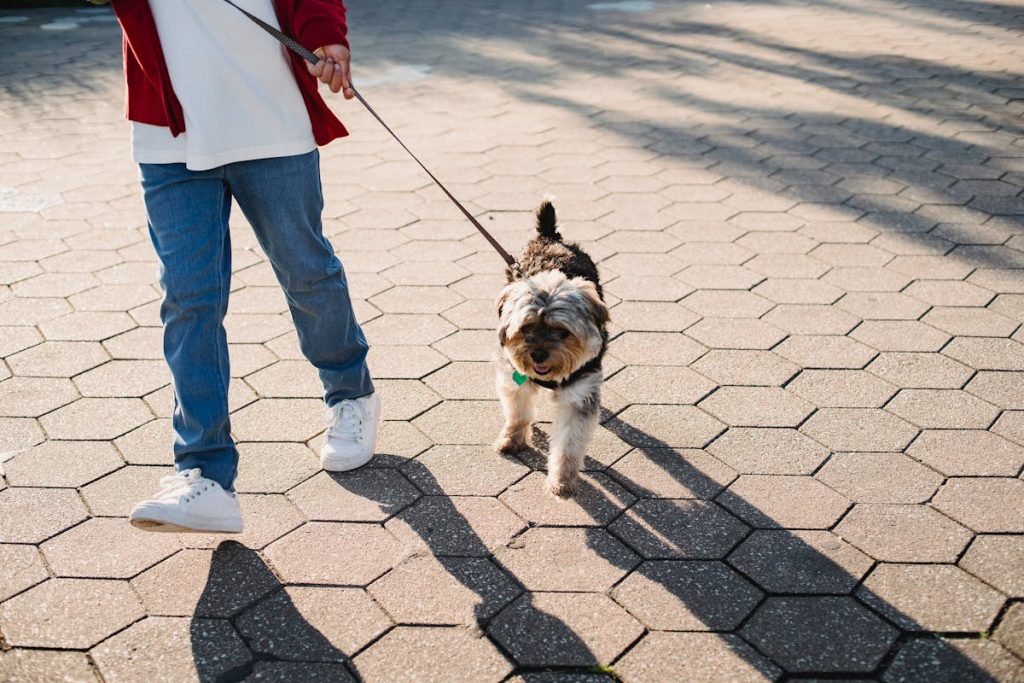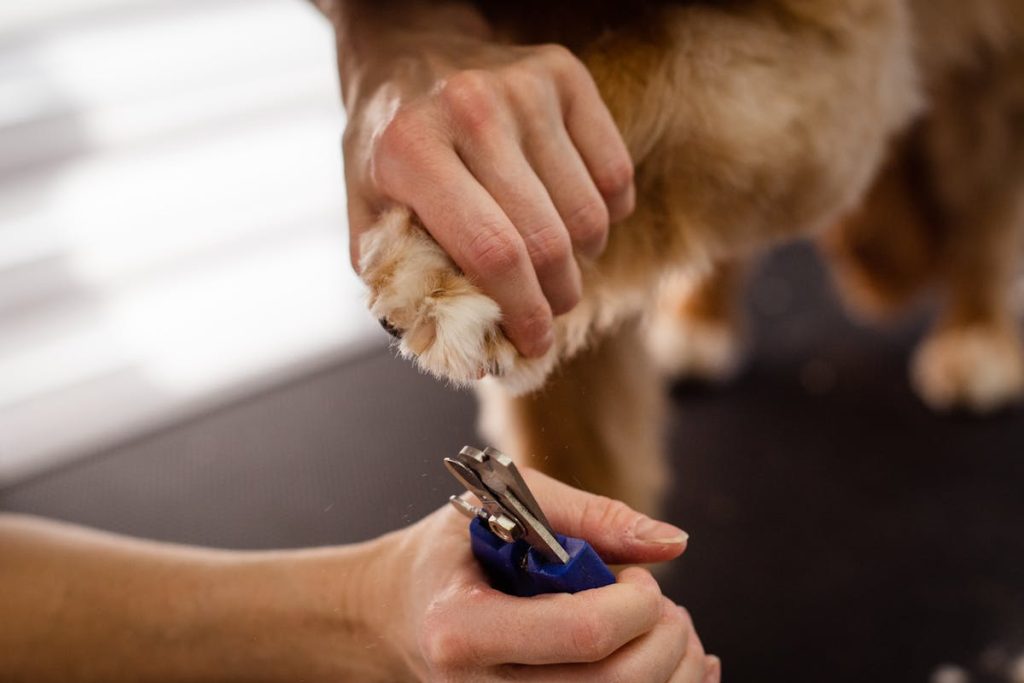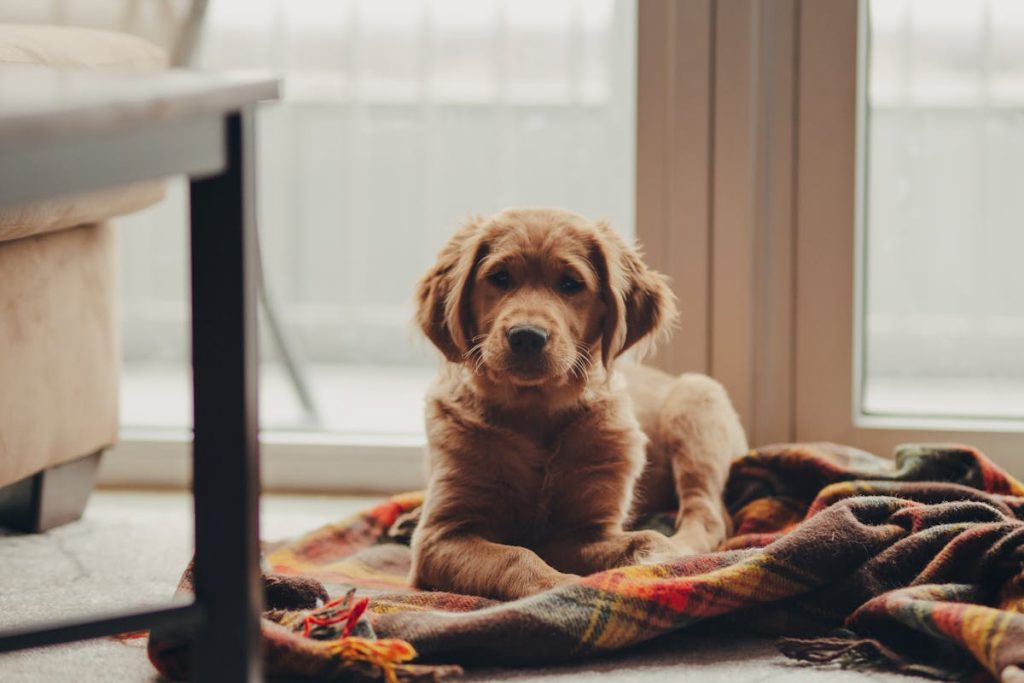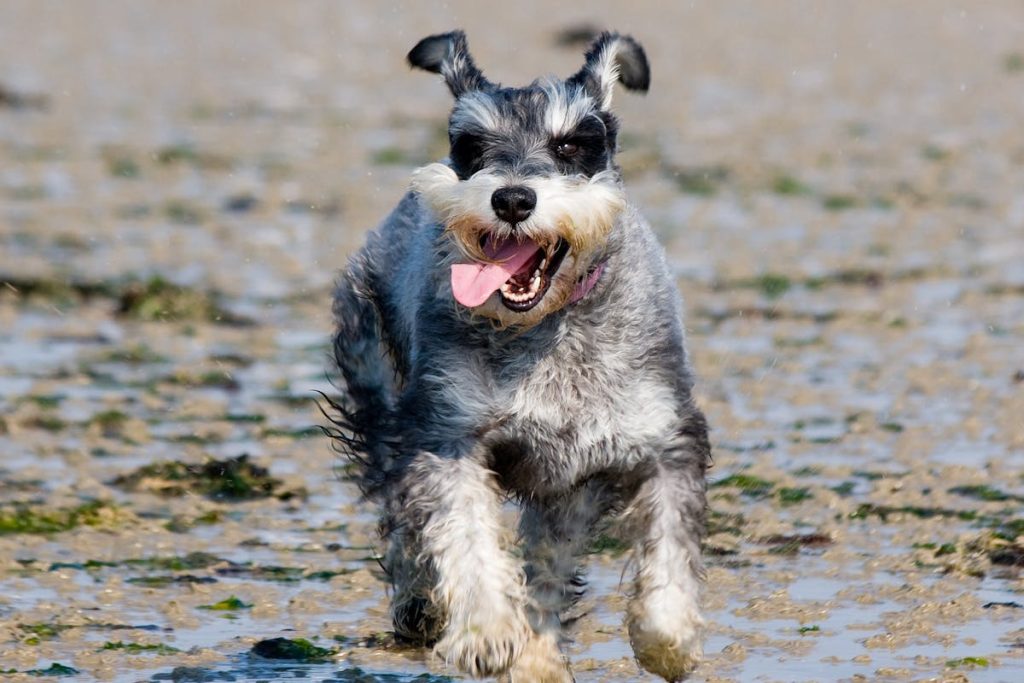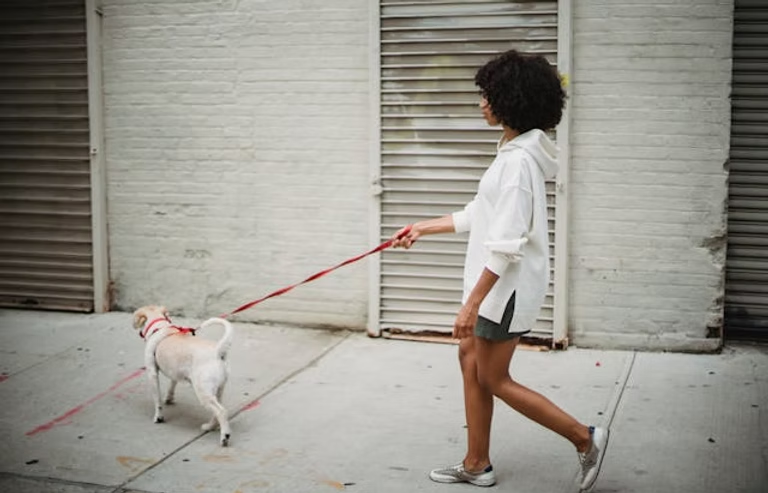

Summer is a beautiful time for outdoor fun, but for our furry companions—especially puppies—it comes with hidden dangers. With their delicate paws and limited ability to regulate body temperature, puppies are particularly vulnerable to the heat. If you’ve ever wondered, “Is it too hot to walk my puppy?”, this guide will help you make safe, informed decisions.
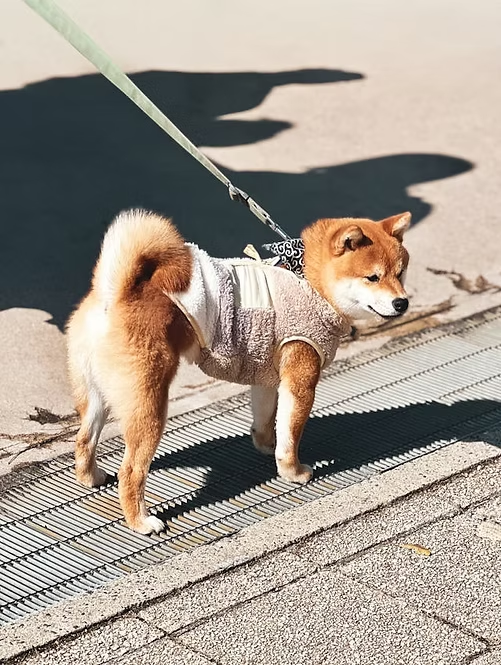
Why Heat is Dangerous for Puppies
Puppies are still developing their endurance, immune systems, and ability to regulate their internal temperature. Unlike humans, dogs don’t sweat through their skin. They primarily cool themselves through panting and a small amount through their paw pads. In hot weather, this cooling system can quickly become overwhelmed.
Risks include:
- Heatstroke
- Burned paw pads
- Dehydration
- Exhaustion or collapse
Best Time of Day to Walk Your Puppy
To keep your puppy safe, avoid the peak heat hours of 10 a.m. to 4 p.m. Instead:
- Early morning (before 8 a.m.)
- Late evening (after 7 p.m.)
These times tend to be cooler, reducing the risk of overheating and paw pad burns.
The 5-Second Rule for Pavement Safety
Before heading out, place the back of your hand on the pavement for 5 seconds.If it’s too hot for your hand, it’s too hot for your puppy’s paws.Concrete and asphalt can get dangerously hot—even if the air temperature feels bearable. For example:
- 85°F air temperature = 130°F asphalt
- 95°F air temperature = 140°F asphalt
These temperatures can burn paw pads in less than a minute.
Summer Walking Tips for Puppies
Here are practical tips to protect your pup during hot weather:
Choose Shaded Routes
Walk in areas with trees, grass, or trails. Grass is much cooler than asphalt or pavement.
Bring Water
Always carry a collapsible bowl and fresh water. Offer it frequently, even during short walks.
Shorter Walks, More Often
Keep walks brief (5–10 minutes) and increase frequency instead of duration.
Use Dog Booties or Paw Wax
Protect their paws from hot surfaces, especially if walking on urban streets or trails.
Watch for Overheating
Signs include:
- Heavy panting
- Lethargy
- Drooling
- Red gums
- Vomiting
If you notice any of these, stop immediately and move to a cool, shaded area. Offer water and wet their paws or belly with cool (not ice-cold) water.
Alternatives to Outdoor Walks in the Heat
When it’s just too hot outside, consider these indoor activities:
- Tug-of-war
- Puzzle toys or treat-dispensing games
- Hide-and-seek with toys
- Training sessions to reinforce commands
These alternatives keep your puppy mentally and physically stimulated without the risk of heat exposure.
Signs It’s Safe to Walk Again
Before heading out again, ensure:
- Air temperature is below 85°F
- Pavement passes the 5-second test
- There’s access to shade and water
Use your judgment and always prioritize comfort and safety over routine.
Final Thoughts
Summer doesn’t have to put your puppy’s walk schedule on pause—but it does require extra caution. Knowing when it’s too hot to walk and how to adapt your routine can make all the difference in your pup’s health and happiness. With a little planning and mindfulness, you can enjoy the sunny season while keeping your puppy safe.
FAQs: Puppy Summer Walk Safety
1. What temperature is too hot to walk a puppy?
If the temperature is over 85°F (29°C), and especially if it’s humid, it’s generally too hot. Always test the pavement and monitor your pup closely.
2. Can I walk my puppy in the morning during summer?
Yes! Early mornings (before 8 a.m.) are often the safest time, as temperatures are cooler and pavements haven’t absorbed daytime heat yet.
3. How do I know if my puppy is overheating during a walk?
Signs include excessive panting, drooling, red gums, vomiting, or refusing to walk. Move to shade, offer water, and cool them down immediately.
4. What can I use to protect my puppy’s paws in summer?
Dog booties or paw wax (like Musher’s Secret) can help insulate their pads from hot surfaces.
5. Are there breeds that are more sensitive to heat?
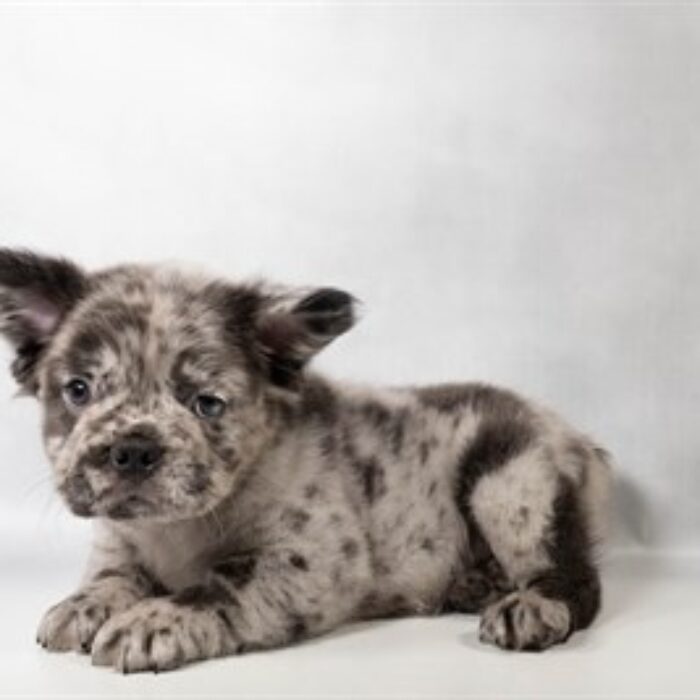
Yes. Brachycephalic breeds (like Bulldogs, Pugs, and Boxers) have shorter snouts and are more prone to overheating. Exercise extra caution with these breeds.
Facebook
X-twitter
Linkedin
Link