
Introduction
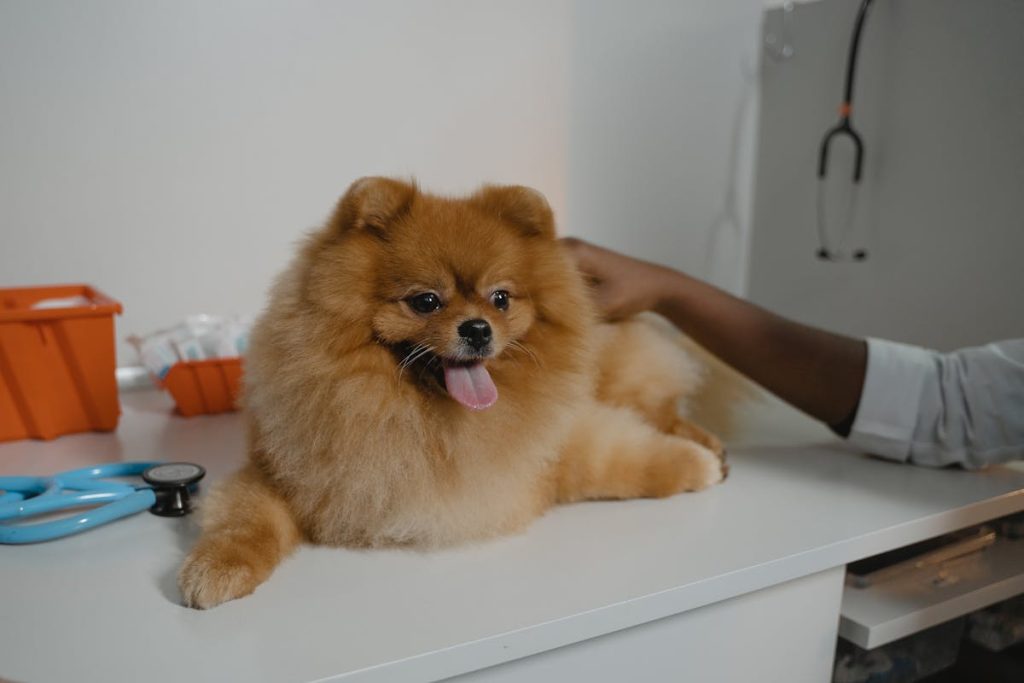
Pomeranians may be small in size, but their nutritional needs are anything but tiny. Choosing the right food plays a huge role in their energy, coat quality, and long-term health. In this guide, we’ll explore the best foods, portion sizes, and diet tips to keep your Pom happy and thriving.
Why Nutrition Matters for Pomeranians
Nutrition directly affects your Pomeranian’s life expectancy and overall health. A poor diet can lead to obesity, dental issues, and even joint stress. Sadly, many owners unintentionally overfeed or give foods that aren’t suitable for this toy breed. A balanced diet ensures your pup stays active, playful, and disease-free.
Understanding Pomeranian Dietary Needs
Because Pomeranians are toy-sized dogs, their metabolism runs faster than larger breeds. They burn calories quickly, meaning they need nutrient-dense meals rather than empty fillers.
- Puppies: Require more calories for growth.
- Adults: Need steady energy without excess calories.
- Seniors: Often need fewer calories but more fiber for digestion.
Essential Nutrients for Pomeranians
Protein
High-quality protein helps maintain muscle and supports growth. Look for chicken, turkey, beef, or fish as the first ingredient in commercial foods.
Fats
Healthy fats like omega-3 and omega-6 improve coat shine and skin health. Salmon oil and flaxseed are excellent sources.
Carbohydrates
Carbs provide energy, but too many can lead to weight gain. Choose whole grains like brown rice or sweet potatoes.
Vitamins and Minerals
Calcium, phosphorus, and vitamins A, D, and E are essential for bone, vision, and immune support.
Water Intake
Hydration is often overlooked. A Pomeranian should always have access to fresh water to prevent dehydration.
Best Commercial Foods for Pomeranians
Dry Kibble
Small-bite kibble is perfect for their tiny mouths. Choose brands with real meat as the main ingredient.
Wet Food
Great for picky eaters, wet food provides hydration and a softer texture.
Freeze-Dried and Raw Options
These are nutrient-rich, though often more expensive. Always buy from trusted brands to avoid contamination.
Grain-Free vs. Grain-Inclusive Diets
Grain-free diets are popular, but many Pomeranians do well on balanced grain-inclusive foods. Only switch if your pup has allergies.
Homemade Food Options
Safe Ingredients
Lean meats, carrots, peas, spinach, rice, and pumpkin are all safe for Poms.
Sample Homemade Meal Idea
- Cooked chicken breast
- Brown rice
- Steamed peas and carrots
- A drizzle of salmon oil
Foods to Avoid
Never feed onions, garlic, chocolate, grapes, or xylitol—they are toxic to dogs.
Portion Sizes and Feeding Frequency
- Puppies: 3–4 small meals per day
- Adults: 2 meals per day
- Seniors: Smaller, frequent meals with easy-to-digest foods
Overfeeding leads to weight problems, which is dangerous for a small breed like the Pomeranian.
Special Diet Considerations
Allergies and Sensitivities
Some Poms are allergic to chicken or grains. Switch to fish or lamb formulas if needed.
Weight Management
Low-calorie foods help overweight Pomeranians slim down without losing energy.
Dental Health Diets
Since Poms are prone to dental issues, kibble that scrubs teeth is helpful.
Treats and Snacks
Healthy treats like apple slices, carrots, or dental chews are great in moderation. Keep treats under 10% of their daily calorie intake.
Supplements for Pomeranians
Not all dogs need supplements, but fish oil, glucosamine, and probiotics can benefit coat, joints, and digestion.
Hydration and Water Needs
Poms may not drink much water naturally. Add a splash of low-sodium broth to encourage hydration.
Signs of Poor Nutrition in Pomeranians
Watch out for dull coats, itchy skin, low energy, or frequent stomach upset. These are red flags that their diet may not be working.
Tips for Transitioning to a New Diet
Switch food slowly over 7–10 days to prevent diarrhea. Start with 25% new food, then gradually increase.
Common Myths About Pomeranian Diets
- Myth: “Grain-free is always better.”
- Fact: Some Poms thrive on grains; allergies are individual.
- Myth: “Raw diets are safest.”
- Fact: Raw food can be risky if not handled properly.
Conclusion
Feeding your Pomeranian isn’t about choosing the fanciest food—it’s about balance. Whether you go with high-quality kibble, wet food, or homemade meals, what matters most is portion control, safe ingredients, and meeting their nutritional needs. A well-fed Pom is a happy, energetic companion that will bring joy for years to come.
FAQs
1. How many times a day should I feed my Pomeranian?
Puppies need 3–4 meals daily, while adults do well with 2 meals.
2. Can Pomeranians eat homemade food only?
Yes, but meals must be balanced with protein, carbs, and vitamins.
3. What’s the best food for Pomeranians with allergies?
Limited-ingredient diets with lamb or fish are good options.
4. How much should a Pomeranian eat daily?
Usually ¼ to ½ cup of food, depending on age and activity.
5. Are supplements necessary for Pomeranians?
Not always, but omega oils and probiotics can boost health.