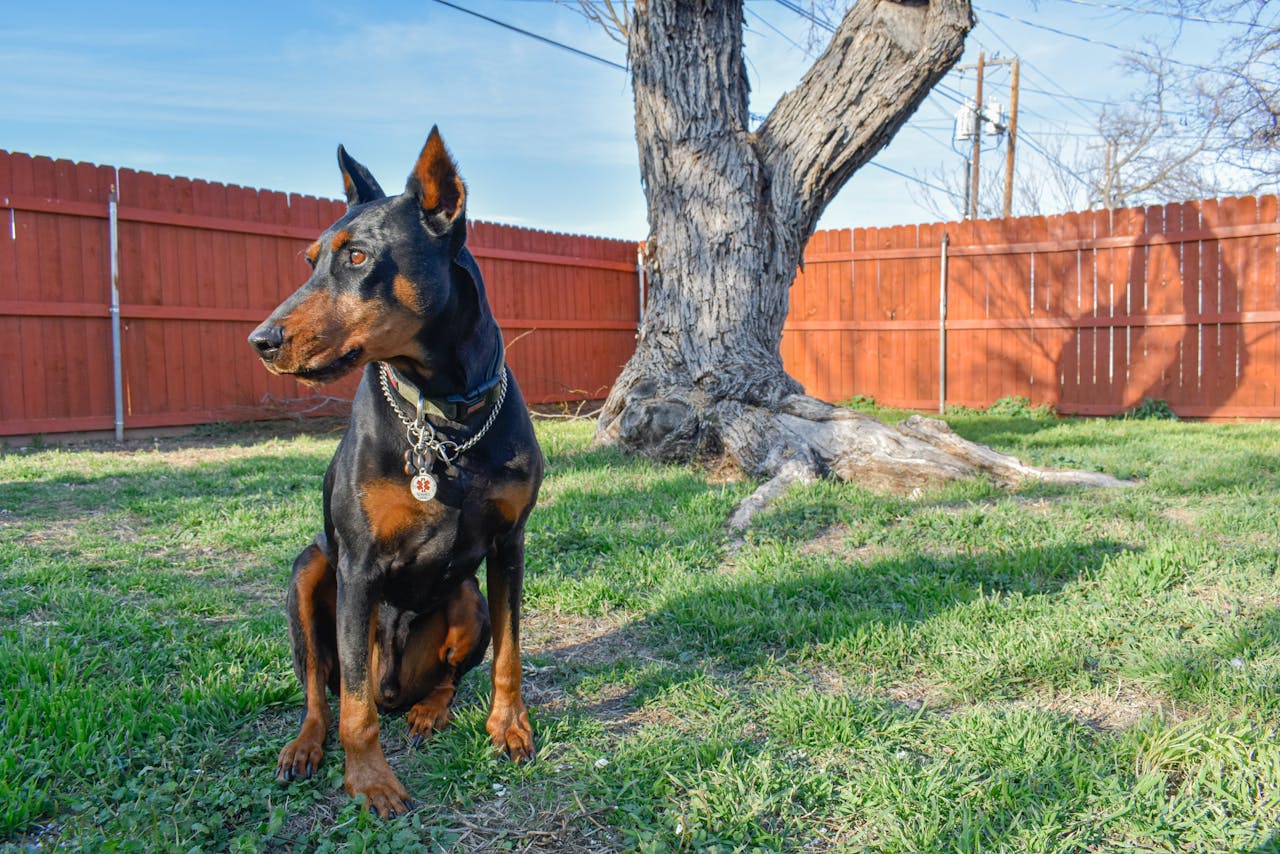

Introduction to the Doberman Pinscher
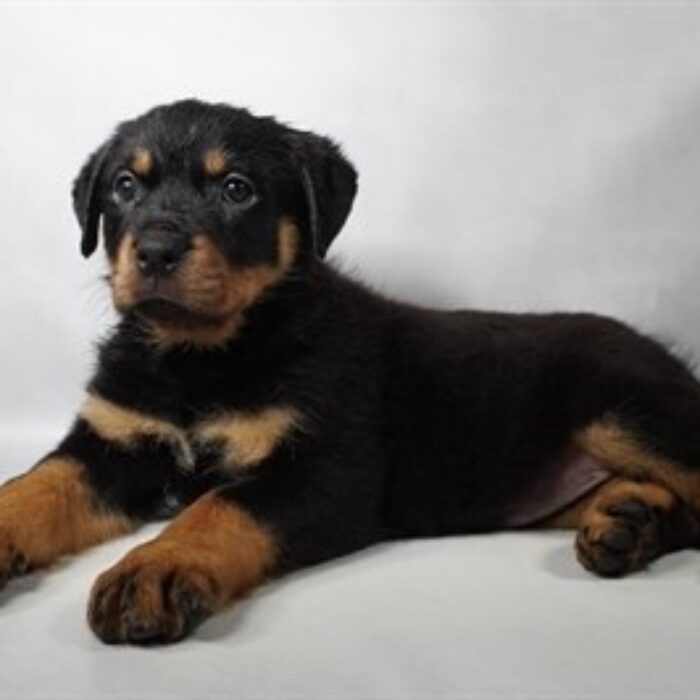
The Doberman Pinscher is one of the most intelligent, loyal, and protective dog breeds in the world. Known for their athletic build and fearless nature, Dobermans make exceptional family companions and watchdogs when properly trained and cared for. However, their strength and energy mean they need an owner who understands their needs and lifestyle.
Understanding the Doberman’s Personality and Temperament
Dobermans are often misunderstood due to their intimidating looks, but beneath that sleek exterior lies a heart full of devotion.
Why Dobermans Are Known for Their Loyalty
These dogs are bred for protection, which makes them naturally loyal and affectionate toward their family. They form strong bonds and are happiest when included in daily family life.
Are Dobermans Good Family Dogs?
Absolutely! With the right training and socialization, Dobermans are gentle with children and protective of their loved ones. They thrive on companionship and love being active participants in household activities.
Preparing Your Home for a Doberman
Space and Comfort Needs
Dobermans need space to stretch, play, and move freely. While they can adapt to apartment living, daily walks and outdoor playtime are essential to prevent boredom and anxiety.
Safety and Training Equipment
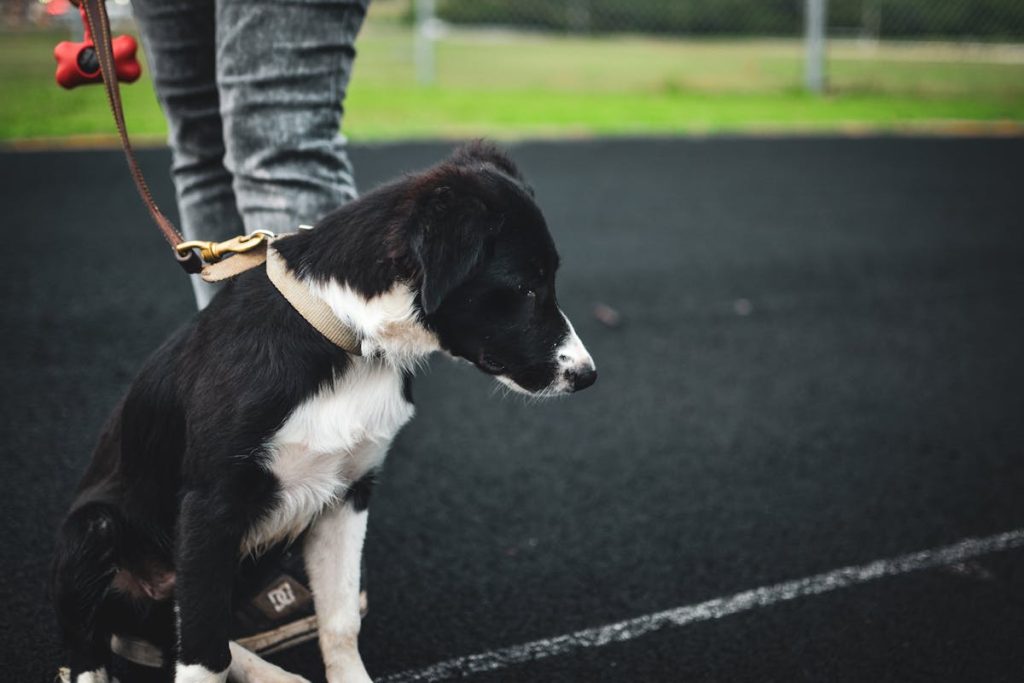
Before bringing your Doberman home, invest in a secure collar, leash, and a comfortable bed. Also, consider baby gates or fences if you have a yard — Dobermans are strong and fast, so safety is key.
Nutrition and Diet for a Healthy Doberman
Recommended Diet Plan
A balanced diet is essential for a Doberman’s health and muscle maintenance. High-quality dog food rich in lean protein, healthy fats, and complex carbohydrates works best. Choose foods that contain real meat, brown rice, and omega fatty acids for coat health.
Foods to Avoid
Avoid foods like chocolate, onions, grapes, and anything high in salt or sugar. Also, steer clear of low-quality kibble with fillers like corn or soy — they can cause digestive issues and allergies.
Feeding Schedule by Age
- Puppies (2–6 months): 3–4 small meals daily
- Adults (6 months–6 years): 2 meals daily
- Seniors (7+ years): 2 smaller, easily digestible meals daily
Exercise Requirements and Energy Levels
Daily Physical Activities
Dobermans are energetic and athletic. They need at least 60–90 minutes of exercise each day, including walks, runs, and play sessions. Without enough activity, they can become restless or destructive.
Mental Stimulation for Dobermans
Keep their sharp minds active with puzzle toys, obedience games, and agility training. A bored Doberman can quickly find “creative” (and often destructive) ways to entertain themselves!
Grooming and Coat Care
Brushing and Bathing Routine
Dobermans have a short, sleek coat that’s easy to maintain. Brush them once a week to remove loose hairs and bathe every 4–6 weeks using a gentle dog shampoo to keep their coat shiny.
Nail, Teeth, and Ear Care
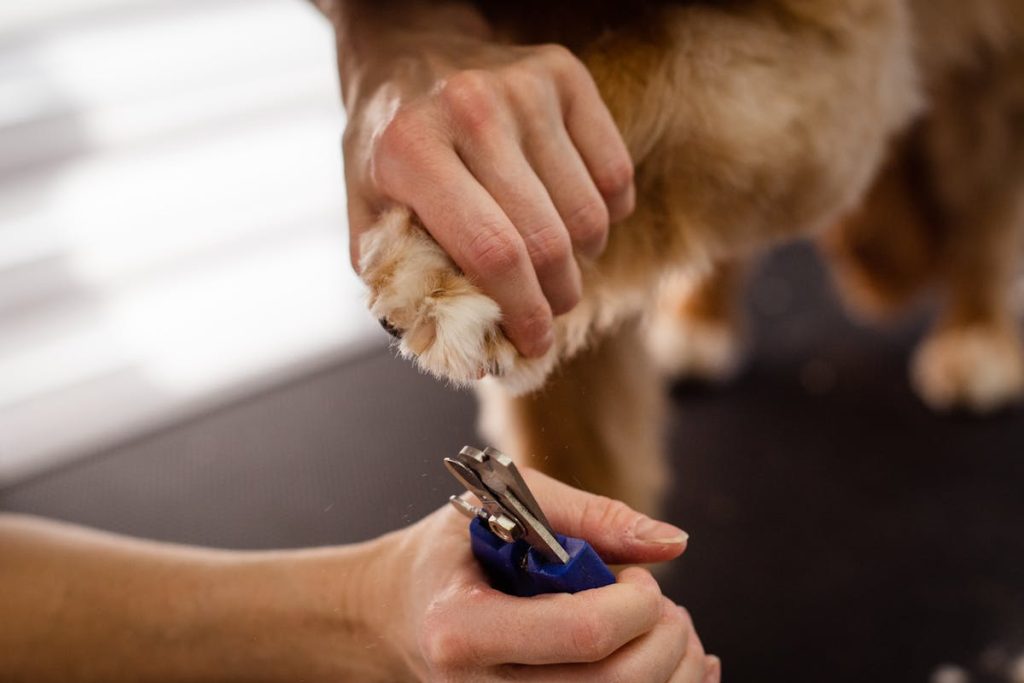
Trim their nails regularly to prevent overgrowth. Clean their ears weekly to avoid infections and brush their teeth at least three times a week to maintain oral health.
Training and Socialization Tips
Obedience Training Basics
Dobermans respond well to positive reinforcement — use treats, praise, and consistency. Start obedience training early to teach commands like sit, stay, and come.
How to Socialize a Doberman Early
Expose your Doberman puppy to different environments, people, and other dogs early on. This helps them grow into well-adjusted, confident adults.
Common Health Problems in Dobermans
Heart Conditions
Dobermans are prone to dilated cardiomyopathy (DCM), a condition that affects the heart muscles. Regular checkups and early detection can help manage this condition effectively.
Hip Dysplasia and Joint Issues
Joint health is another concern. Maintaining a healthy weight and giving joint supplements can help prevent or manage hip dysplasia.
Skin and Allergy Problems
Because of their short coat, Dobermans can suffer from skin dryness or allergies. Omega-3 supplements and hypoallergenic shampoos can help.
Preventive Health Care and Vet Visits
Vaccination and Deworming
Keep your Doberman’s vaccination schedule updated. Regular deworming and flea treatments are also essential to keep them parasite-free.
Annual Checkups and Early Detection
Schedule annual vet visits for complete health exams, including bloodwork and heart screenings. Early detection can make all the difference in long-term health.
Creating a Safe and Happy Environment
Managing Separation Anxiety
Dobermans are extremely loyal and dislike being left alone for long periods. Provide mental stimulation, toys, and comfort to reduce anxiety.
Home Safety Tips
Keep harmful chemicals, small objects, and electrical cords out of reach. A safe environment ensures a worry-free life for both you and your dog.
Caring for a Senior Doberman
Adjusting Diet and Exercise
As Dobermans age, they become less active. Switch to senior dog food with joint-supporting ingredients and reduce the intensity of exercise while maintaining regular movement.
Comfort and Joint Support
Provide soft bedding, easy access to food and water, and gentle massages to keep your senior Doberman comfortable and mobile.
Final Thoughts
Caring for a Doberman Pinscher is a rewarding experience. These intelligent, loyal dogs give their all to their families — and they deserve the same in return. With the right care, training, and love, your Doberman will remain a healthy, devoted companion for years to come.
FAQs
1. How often should I bathe my Doberman Pinscher?
Every 4–6 weeks is ideal, unless they get dirty sooner.
2. What’s the best food for Doberman Pinschers?
High-protein dog food with real meat and omega fatty acids supports muscle and coat health.
3. How much exercise does a Doberman need daily?
At least 60–90 minutes of physical and mental activity each day.
4. Are Dobermans good with children?
Yes, with proper training and supervision, Dobermans can be gentle and protective family pets.
5. What health issues should I watch for?
Heart problems, hip dysplasia, and skin allergies are the most common in this breed.