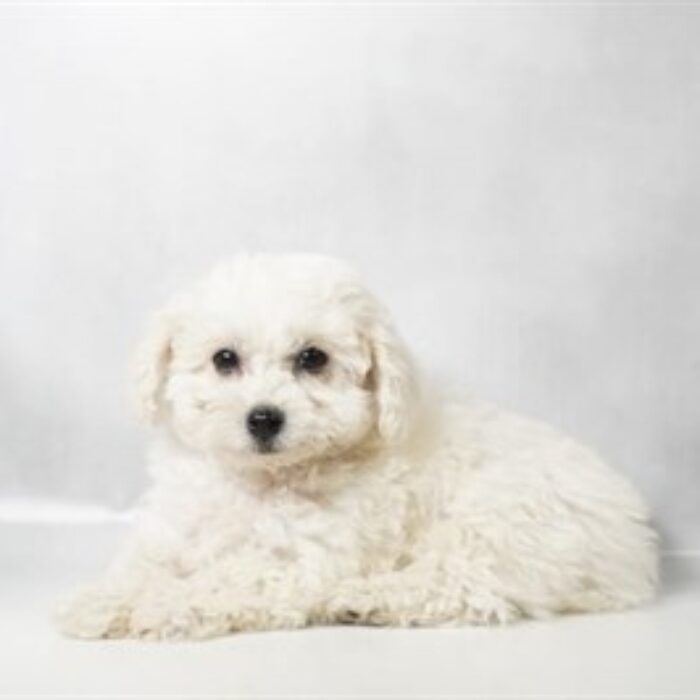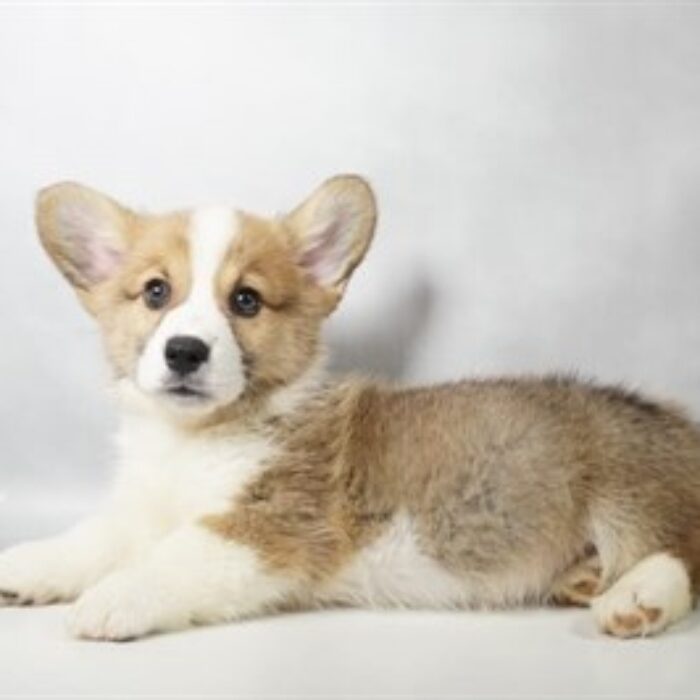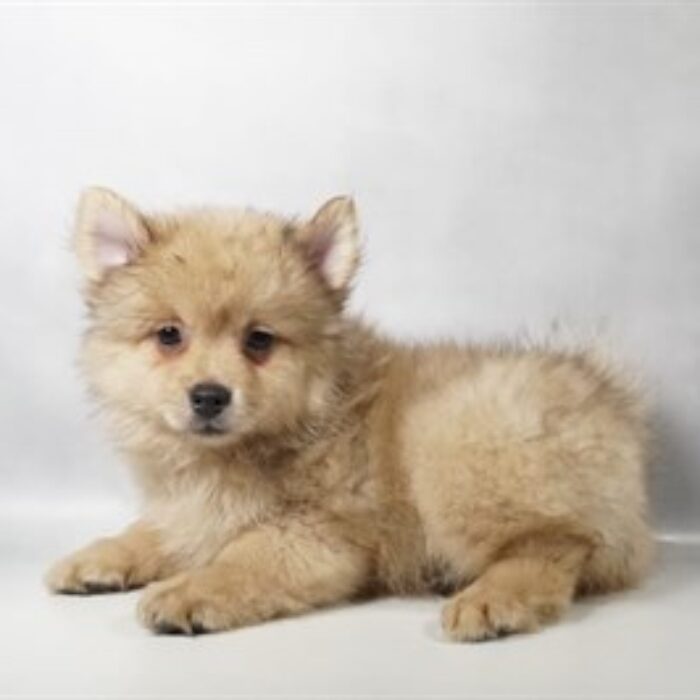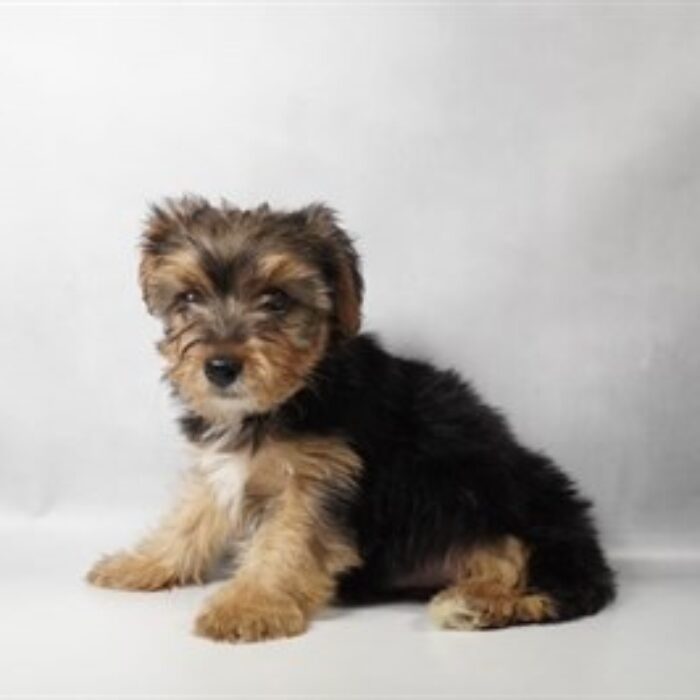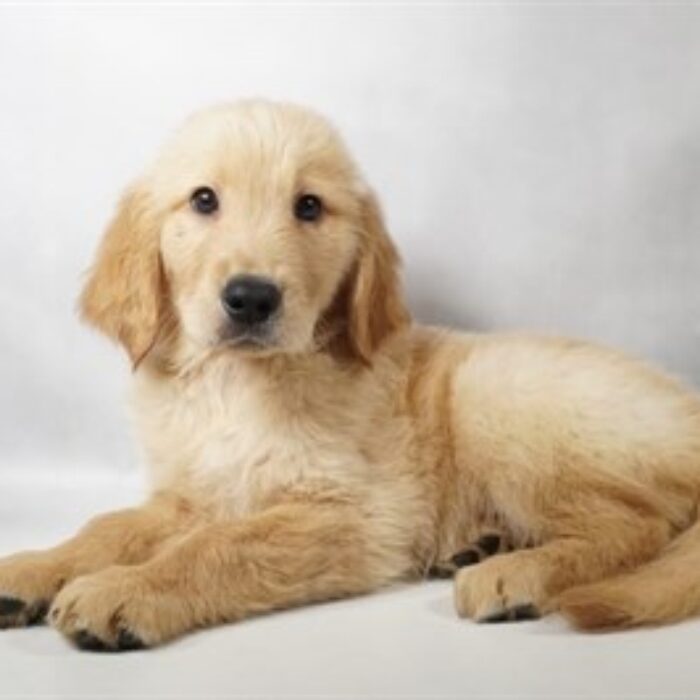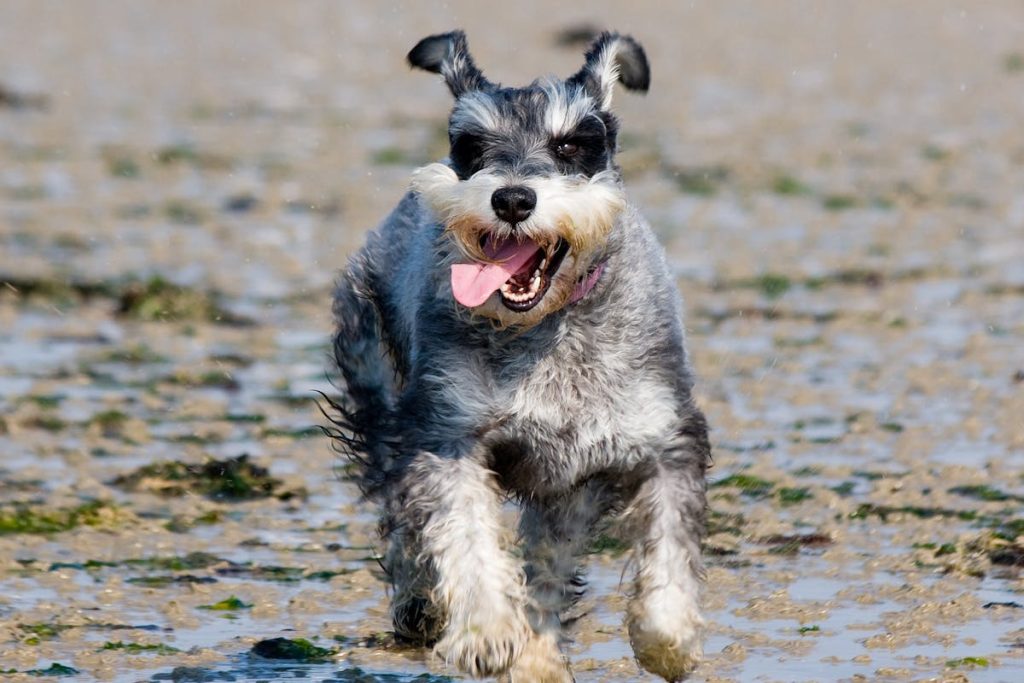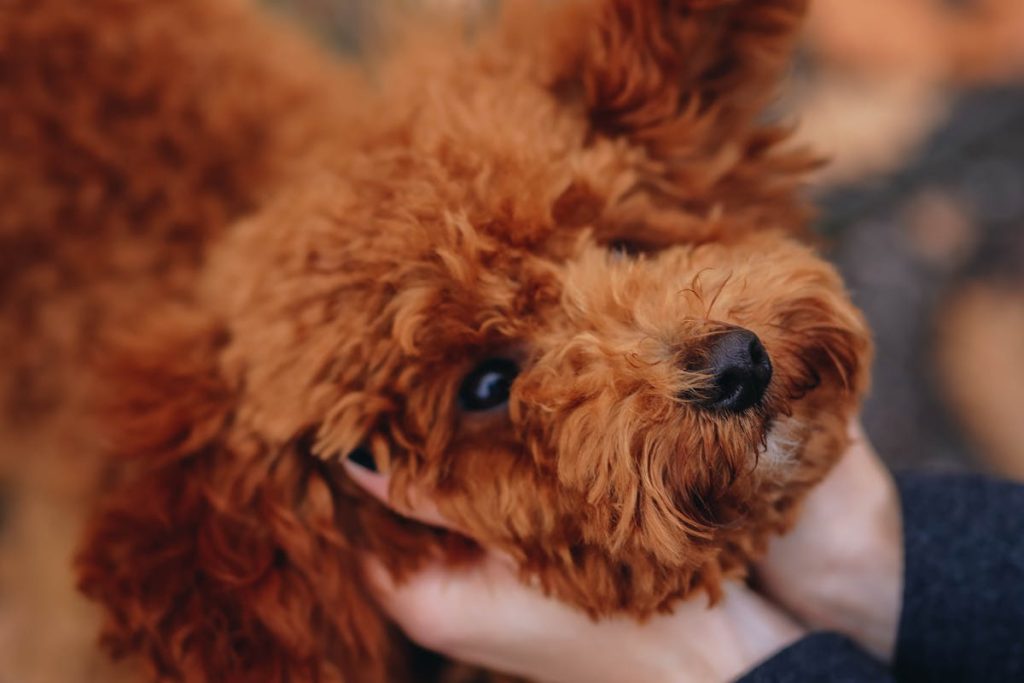
Bringing a new puppy home is an incredibly exciting time, especially when that puppy is an adorable, fluffy Cavapoo! Known for their affectionate nature, playful spirit, and charming good looks, Cavapoos quickly steal hearts. But before your little bundle of joy arrives, a bit of preparation goes a long way.
To help you get ready, we’ve put together a comprehensive Cavapoo puppy checklist, packed with essential advice for new pet owners. From setting up your home to those crucial first days, this guide will ensure a smooth and happy transition for everyone.
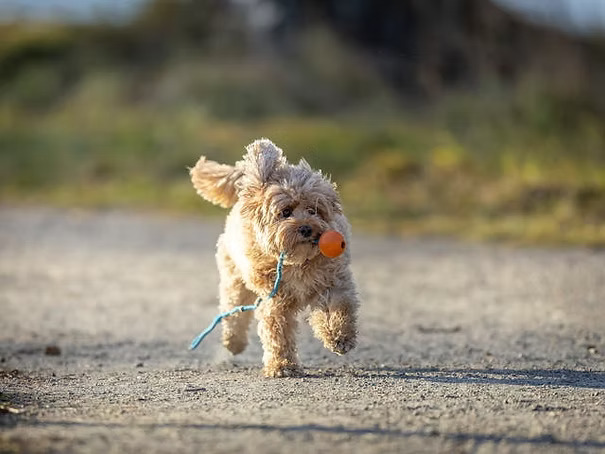
Before Your Cavapoo Puppy Arrives: Setting Up for Success
Preparation is key to reducing stress for both you and your new puppy. Think of this as creating a safe, comfortable, and stimulating environment for your new family member.
1. Puppy-Proof Your Home
Just like baby-proofing, puppy-proofing is essential. Remember, puppies explore with their mouths!
Secure Hazardous Items: Store cleaning supplies, medications, toxic plants, and human foods (especially chocolate, grapes, onions, xylitol) out of reach.
Hide Electrical Cords: Exposed cords are tempting chew toys and pose a serious electrocution risk. Use cord protectors or tuck them away.
Remove Choking Hazards: Small objects like coins, batteries, small toys, and even loose rugs can be swallowed.
Block Off No-Go Zones: Use baby gates to restrict access to areas where you don’t want your puppy to go, especially when unsupervised.
Designate a “Puppy Zone”: Choose a safe, confined area (like a kitchen or a section of a living room) where your puppy can spend time supervised and feel secure.
2. Essential Supplies Shopping List
A trip to the pet store (or an online order!) is definitely in order. Here’s what you’ll need:
Food:
-
-
High-Quality Puppy Kibble: Ask your breeder what food the puppy is currently eating and try to stick with that for the first few weeks to avoid digestive upset.
-
Food and Water Bowls: Stainless steel or ceramic are generally preferred for hygiene.
-
Sleeping & Comfort:
-
-
Crate: A appropriately-sized crate is crucial for potty training and providing a safe den. Get one with a divider so it can grow with your puppy.
-
Comfortable Bed/Crate Pad: Something soft and washable.
-
Warm Blanket: To make their sleeping space extra cozy.
-
Potty Training Aids:
-
-
Enzyme Cleaner: For accidents. This is a must-have!
-
Puppy Training Pads (Optional): If you plan to use them initially, but aim to transition outdoors quickly.
-
Waste Bags: For walks and backyard clean-up.
-
Grooming Supplies:
-
-
Soft Bristle Brush/Slicker Brush: Cavapoos require regular grooming to prevent matting.
-
Puppy Shampoo: Gentle formula.
-
Nail Clippers (Guillotine or Scissor style): Or a Dremel tool.
-
Ear Cleaner: Ask your vet for recommendations.
-
Dog-Safe Toothbrush and Toothpaste: Start early with dental hygiene.
-
Leash & Collar:
-
-
Lightweight Collar: Get one that fits snugly (two fingers should fit comfortably under it) and won’t slip over their head.
-
Leash (4-6 foot): A simple nylon or leather leash.
-
Harness (Optional, but Recommended): Many prefer harnesses for puppies to protect their delicate necks.
-
Toys:
-
-
Chew Toys: Durable, puppy-safe chew toys (Kongs, Nylabones) to redirect chewing away from furniture.
-
Interactive Toys: Puzzle toys to stimulate their minds.
-
Soft Plush Toys: For comfort and play.
- ID Tag: With your name and phone number, even if microchipped.
-
The First Few Days & Weeks: Establishing Routine and Bonding
The initial period is all about routine, patience, and positive reinforcement. Your Cavapoo puppy is in a new environment, away from their littermates and mother for the first time.
3. The Grand Arrival
-
First Potty Break: As soon as you arrive home, take your puppy directly to the designated potty spot in your yard. Praise them enthusiastically when they go!
-
Introduce to Puppy Zone: Show them their crate, bed, and food/water bowls. Let them explore their safe space.
-
Quiet Time: Resist the urge to overwhelm them with visitors or too much handling immediately. Allow them to settle in.
-
Vet Appointment: Schedule a vet visit within the first few days for a general health check, to discuss vaccination schedules, deworming, and parasite prevention. Bring any health records from the breeder.
4. Establish a Routine (Immediately!)
Puppies thrive on routine. Consistency will accelerate potty training and help them feel secure.
-
Feeding Schedule: Feed 2-3 times a day, according to your vet’s and food manufacturer’s guidelines.
-
Potty Schedule: Take your puppy out frequently: first thing in the morning, after waking from naps, after eating/drinking, before bedtime, and every 1-2 hours in between.
-
Playtime: Schedule regular play sessions to burn off energy and bond.
-
Nap Times: Puppies need a lot of sleep. Encourage naps in their crate.
5. Potty Training Essentials
Patience is key here. Accidents will happen!
-
Supervision is Gold: Keep an eye on your puppy constantly. If you can’t, crate them or confine them to their puppy zone.
-
Praise and Reward: When they go potty in the right spot, give immediate praise and a high-value treat.
-
Clean Accidents Thoroughly: Use an enzyme cleaner to eliminate odors that might attract them back to the same spot.
-
Learn the Cues: Watch for sniffing, circling, or heading towards the door – these are signs they need to go out!
6. Socialization and Training
Early socialization is crucial for a well-adjusted adult dog.
-
Positive Exposure: Introduce your puppy to a variety of sights, sounds, smells, people, and other vaccinated, friendly dogs in a positive way.
-
Start Basic Commands: Begin with “sit,” “stay,” “come,” and “leave it.” Keep sessions short, fun, and positive.
-
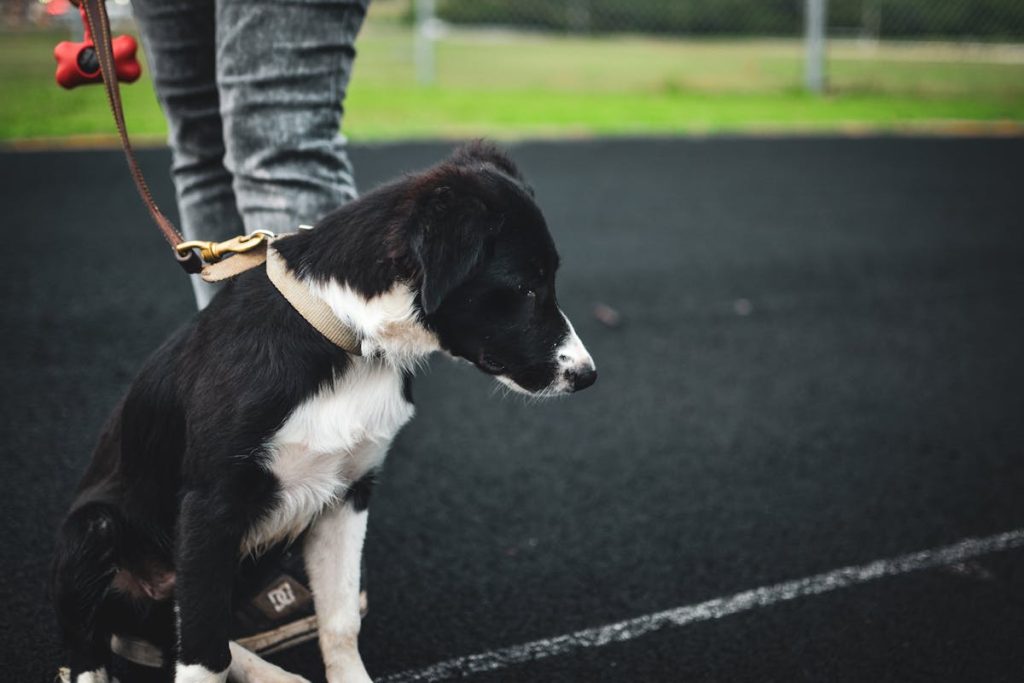
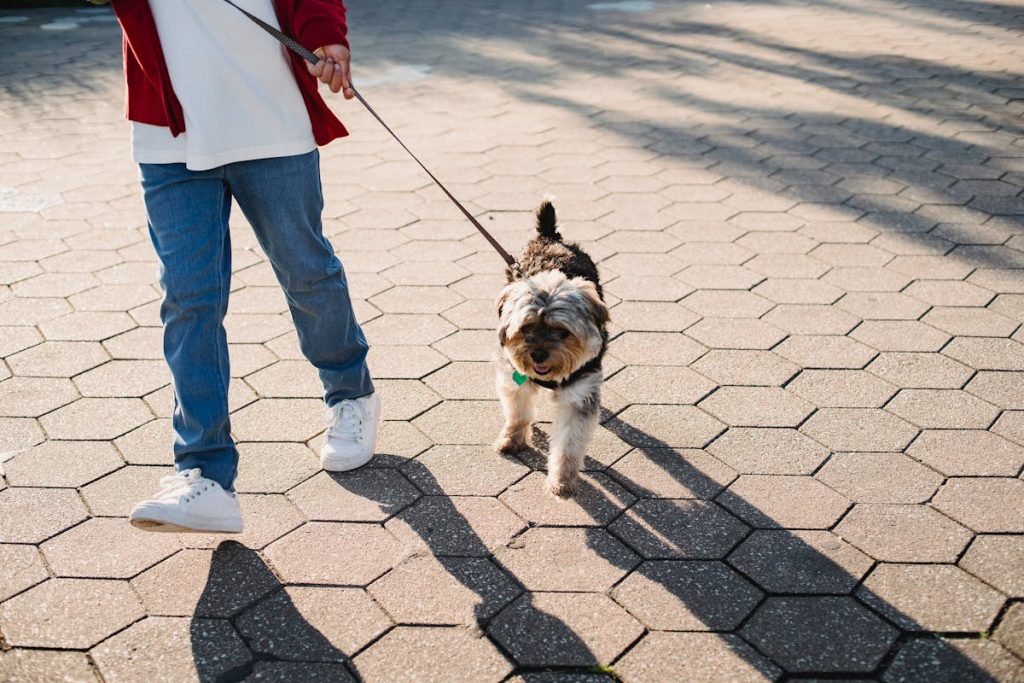
Leash Training: Start by letting them wear their collar and leash for short periods inside, associating it with positive experiences.
-
Nipping & Biting: Redirect puppy biting to appropriate chew toys. Yelping like another puppy can sometimes help them learn bite inhibition. Never punish them for nipping, simply redirect.
7. Grooming Routine
Cavapoos have a beautiful, low-shedding coat that requires regular care.
-
Daily Brushing: Start brushing early and make it a positive experience with treats and praise. This prevents mats and gets them used to handling.
-
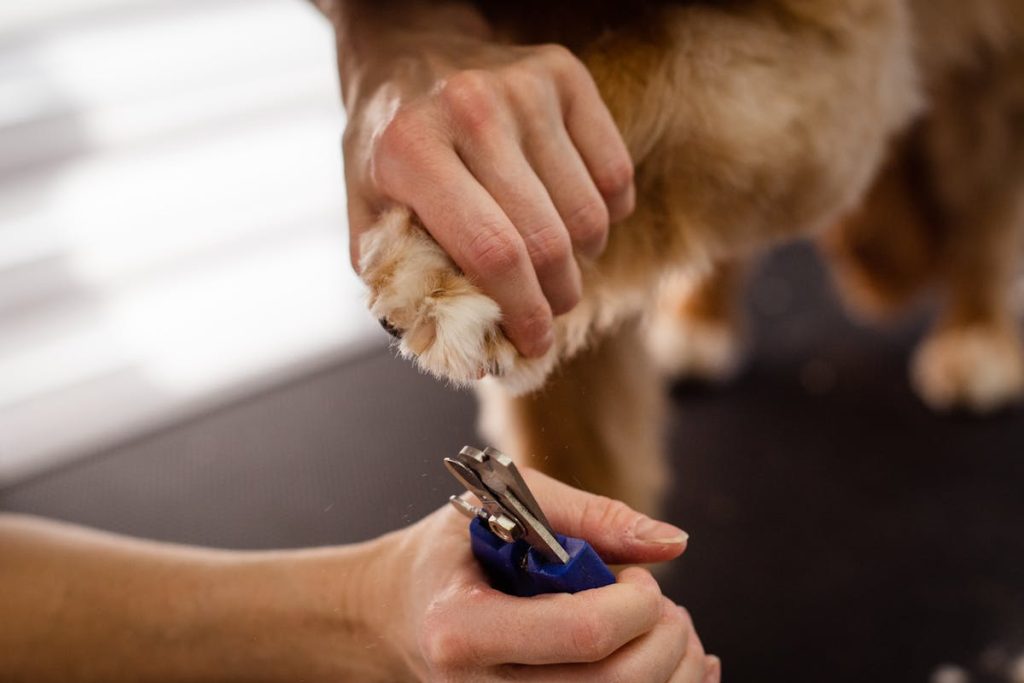
Paw Handling: Gently touch their paws and practice nail clipping early.
-
Ear Cleaning: Check and gently clean their ears regularly to prevent infections.
-
Vet Consult: Discuss proper grooming techniques and frequency with your vet or a professional groomer.
Long-Term Considerations for Your Cavapoo
Your Cavapoo will continue to grow and develop. Here are some ongoing considerations:
-
Continued Training & Socialization: Learning is lifelong for dogs. Consider puppy classes, and continue to expose them to new, positive experiences.
-
Regular Vet Check-ups: Stay up-to-date on vaccinations, preventative medications (flea, tick, heartworm), and annual health checks.
-
Dental Care: Continue regular brushing and consider dental chews recommended by your vet.
-
Proper Nutrition: As they grow, transition to an adult formula food as advised by your vet.
-
Exercise: Cavapoos are generally adaptable, but they do need daily walks and playtime to stay healthy and happy.
-
Love and Affection: Cavapoos thrive on companionship. Spend quality time with your furry friend!
Bringing a Cavapoo puppy into your home is a joyous adventure. By following this checklist and being prepared, you’ll lay the foundation for a lifetime of happiness, health, and wagging tails. Enjoy every moment with your new best friend!
Frequently Asked Questions (FAQs) About Your Cavapoo Puppy
1. How much exercise does a Cavapoo puppy need?
Cavapoo puppies, while playful, don’t require excessive exercise. In their early months, short, frequent play sessions (5-10 minutes several times a day) and a few short walks (around 10-15 minutes each) are usually sufficient. Over-exercising a puppy can be detrimental to their developing joints. As they mature, they’ll enjoy longer walks and more active play, typically needing about 30-60 minutes of moderate exercise daily as adults. Always observe your puppy for signs of tiredness.
2. Are Cavapoos difficult to potty train?
Cavapoos are generally intelligent and eager to please, which can make them relatively easy to potty train with consistency and patience. The key is frequent outdoor trips (every 1-2 hours for young puppies, after waking, eating, and before bed), positive reinforcement for success, and thorough cleaning of accidents. Crate training is also highly effective for housebreaking as dogs naturally don’t want to soil their sleeping area.
3. Do Cavapoos shed a lot? Are they truly hypoallergenic?
Cavapoos are generally considered low-shedding dogs due to their Poodle parentage. However, no dog is 100% hypoallergenic. While they produce less dander (the primary allergen) than many other breeds, individuals with severe allergies might still react. Their wavy to curly coats require regular brushing (ideally daily) to prevent matting and keep their coat healthy.
4. How often should I groom my Cavapoo puppy?
To prevent matting and keep their coat healthy, you should aim to brush your Cavapoo puppy daily or at least every other day. Professional grooming every 4-8 weeks is also highly recommended for trimming, bathing, and overall coat maintenance. Starting these routines early will help your puppy get accustomed to the grooming process.
5. Are Cavapoos good with children and other pets?
Yes, Cavapoos are typically known for their gentle, affectionate, and playful nature, making them excellent family pets. They generally get along well with children and other pets, especially if socialized properly from a young age. Supervision is always recommended when young children are interacting with any puppy, and introductions to other pets should be done gradually and positively.