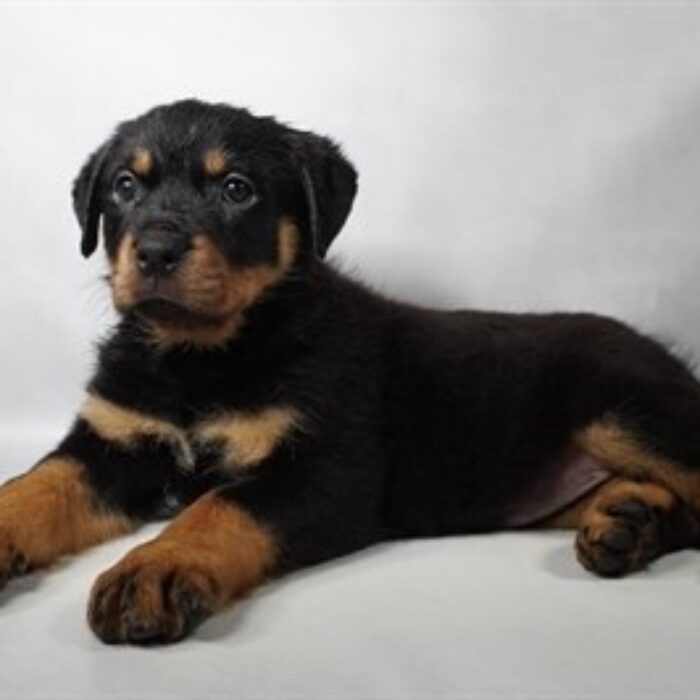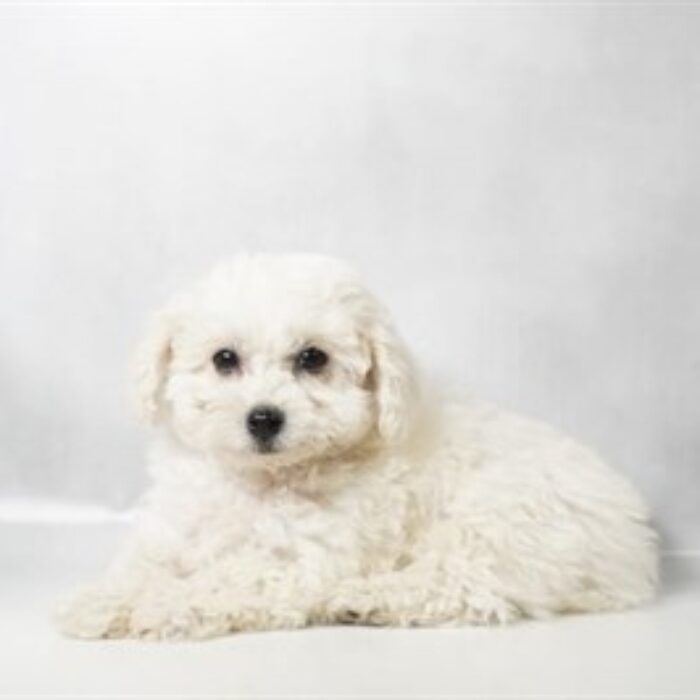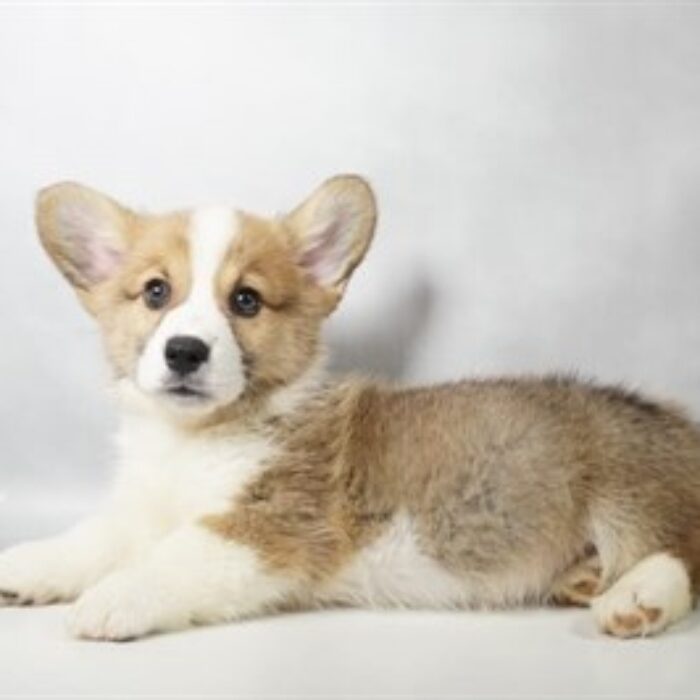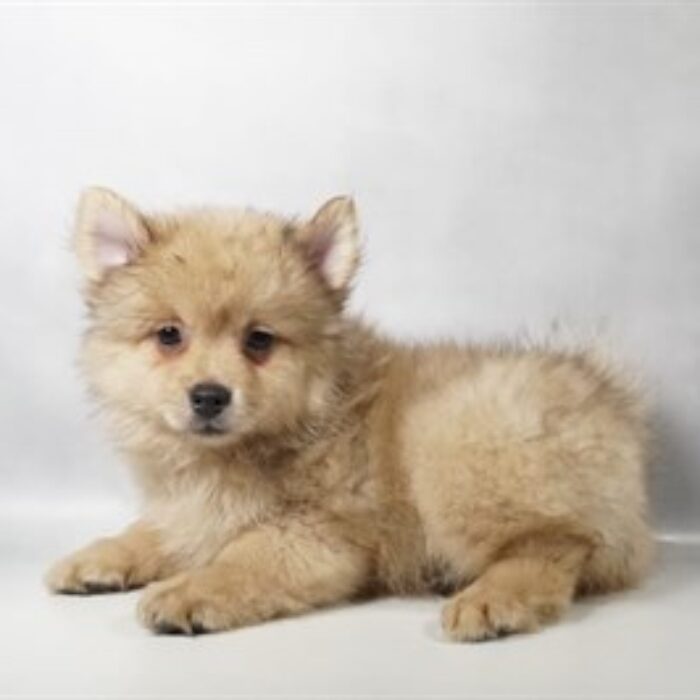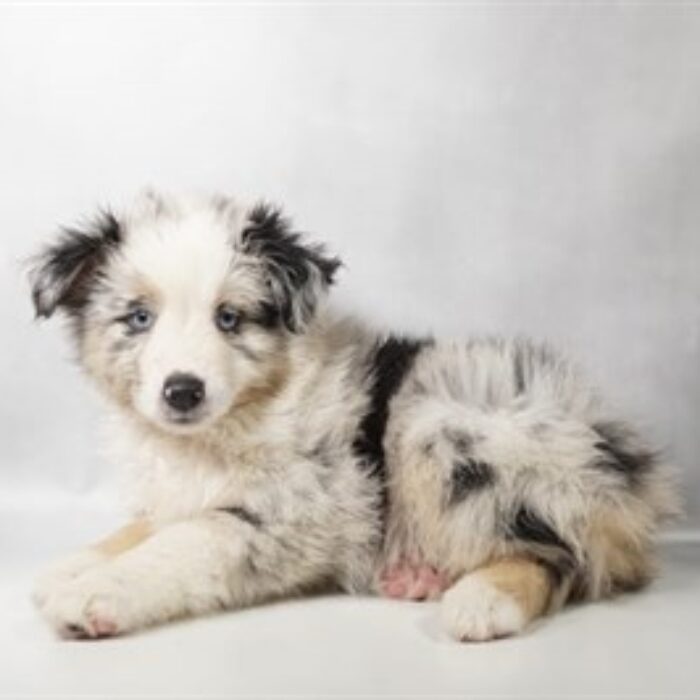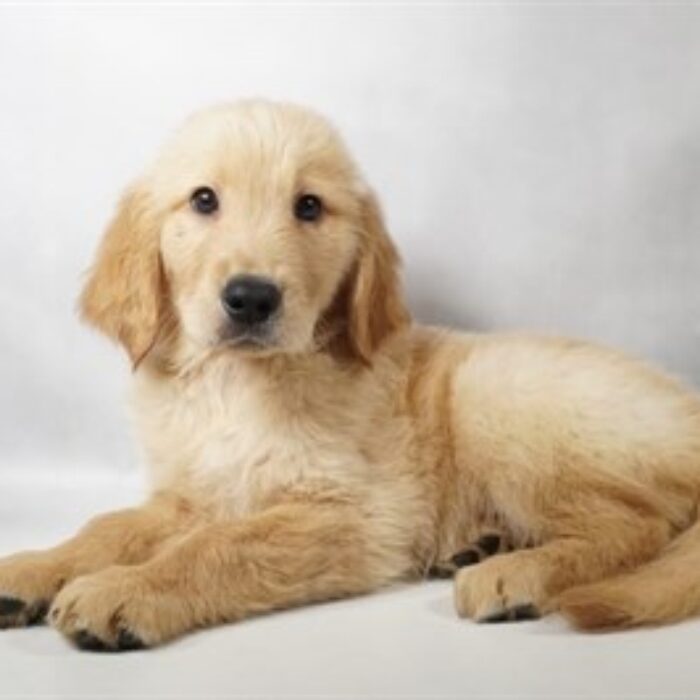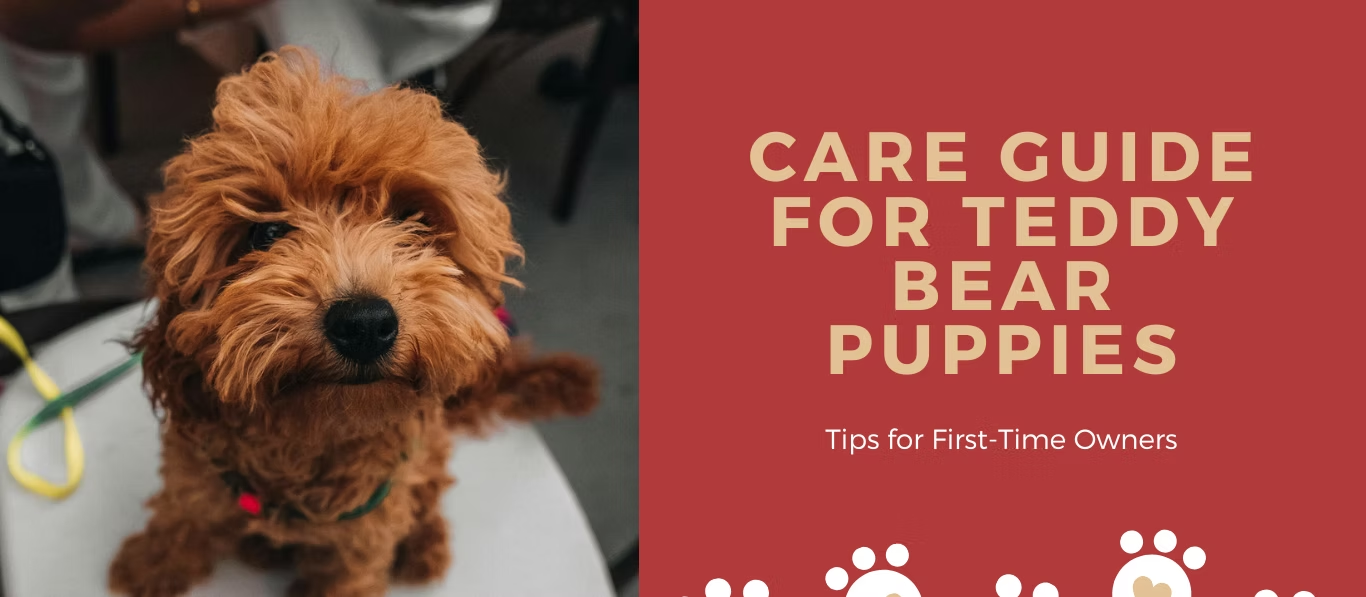

Teddy Bear puppies are irresistibly adorable, with their soft, fluffy coats and affectionate personalities. As a mix between Shih Tzu and Bichon Frise or Maltese breeds, they are the perfect companions for families, individuals, and even seniors. For first-time owners, understanding their specific needs is essential to raising a happy and healthy pup. This guide provides essential tips on Teddy Bear puppy care, from grooming to training, and even exploring the benefits of owning a Teddy Bear puppy.

Understanding Teddy Bear Puppies
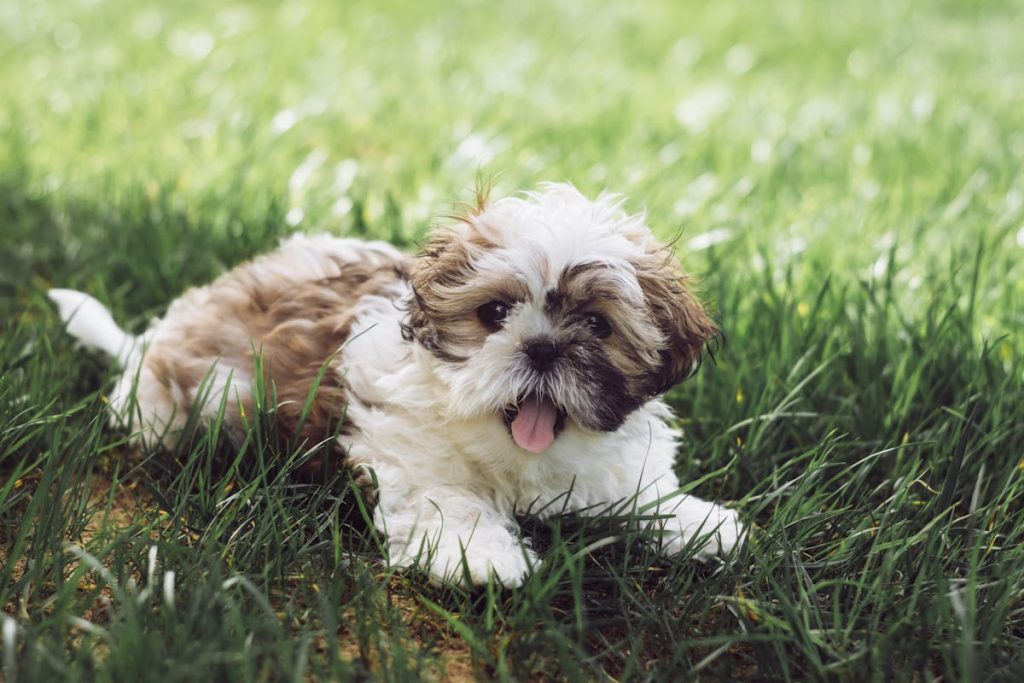
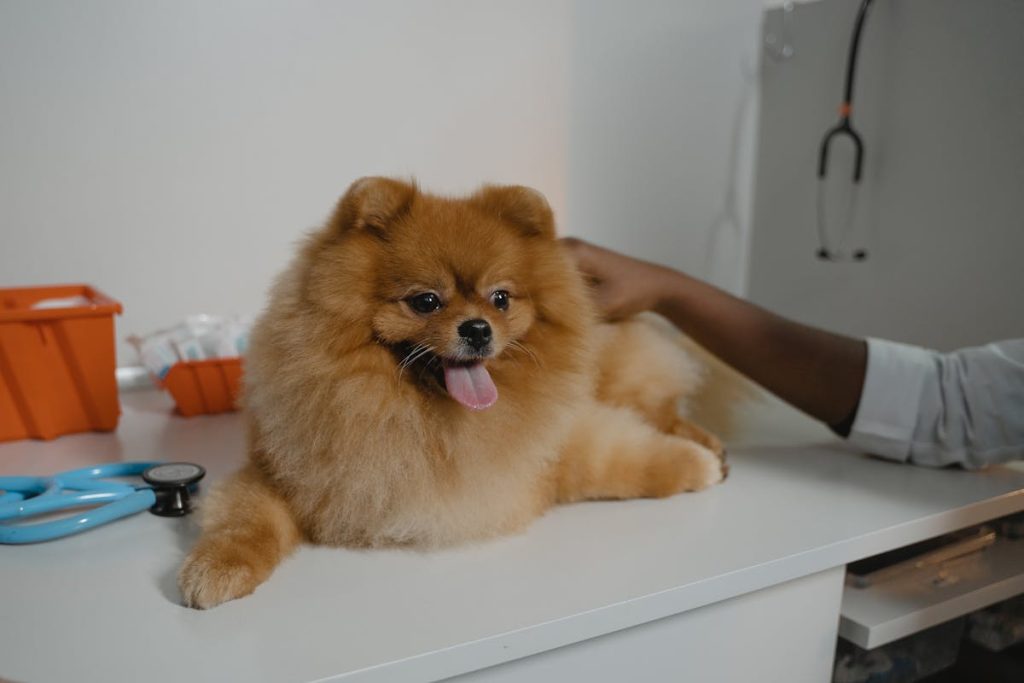
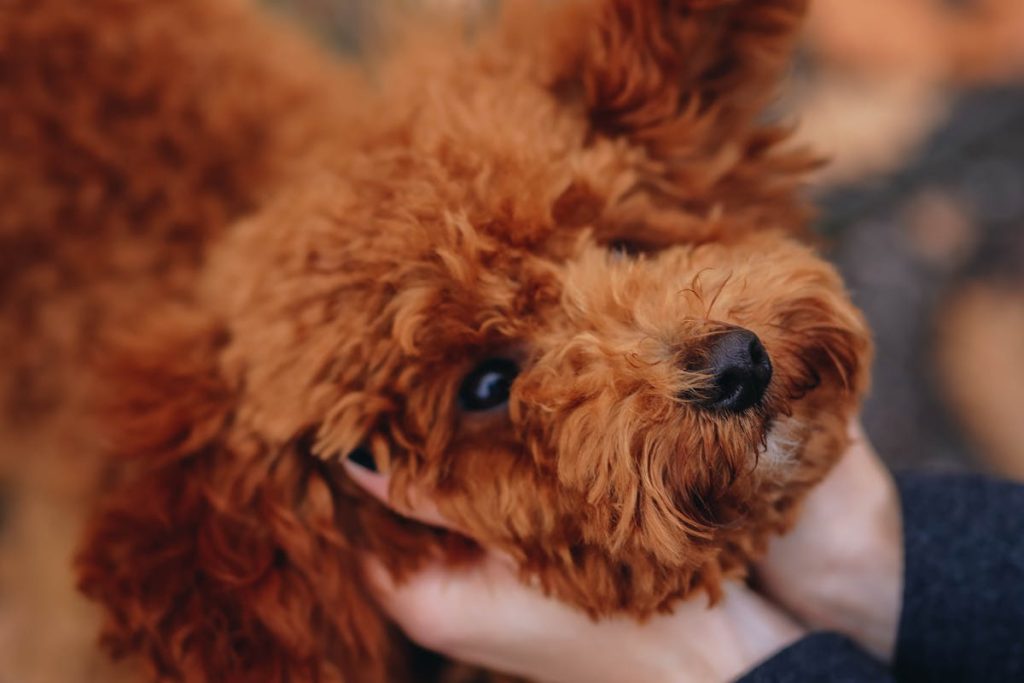
Teddy Bear puppies are small, averaging between 8 to 15 pounds when fully grown. They are sociable, intelligent, and eager to please, making them easy to train and perfect for families or individuals. Their coat is soft, fluffy, and can be curly or wavy, requiring regular grooming to maintain its plush texture.
1. Finding Teddy Bear Puppies for Sale or Adoption
If you’re considering bringing home a Teddy Bear puppy, start by exploring reputable breeders or adoption centers.
- Teddy Bear Puppies for Sale: Ensure you choose a breeder who follows ethical practices, providing health checks and a safe environment for their puppies.
- Teddy Bear Puppy Adoption: Adoption is a wonderful alternative that gives a puppy a second chance at a loving home.
Tip: Always research thoroughly and ask for medical records before making a decision.
2. The Best Diet for Teddy Bear Puppies
Proper nutrition is the foundation of good health for your puppy.
- High-Quality Puppy Food: Select a premium, small-breed-specific puppy food that meets their nutritional requirements.
- Feeding Schedule: For young puppies, feed 3-4 small meals daily. Gradually reduce to two meals as they grow older.
- Healthy Treats: Use treats for training but ensure they are healthy and low in calories.
Tip: Consult your vet to determine the best diet for Teddy Bear puppies, tailored to their unique needs.
3. How to Groom a Teddy Bear Puppy
Grooming is essential to maintain your puppy’s soft, plush coat and overall hygiene.
- Brushing: Brush their coat 3-4 times a week to prevent tangles and matting.
- Bathing: Bathe your puppy every 3-4 weeks with a gentle, puppy-safe shampoo.
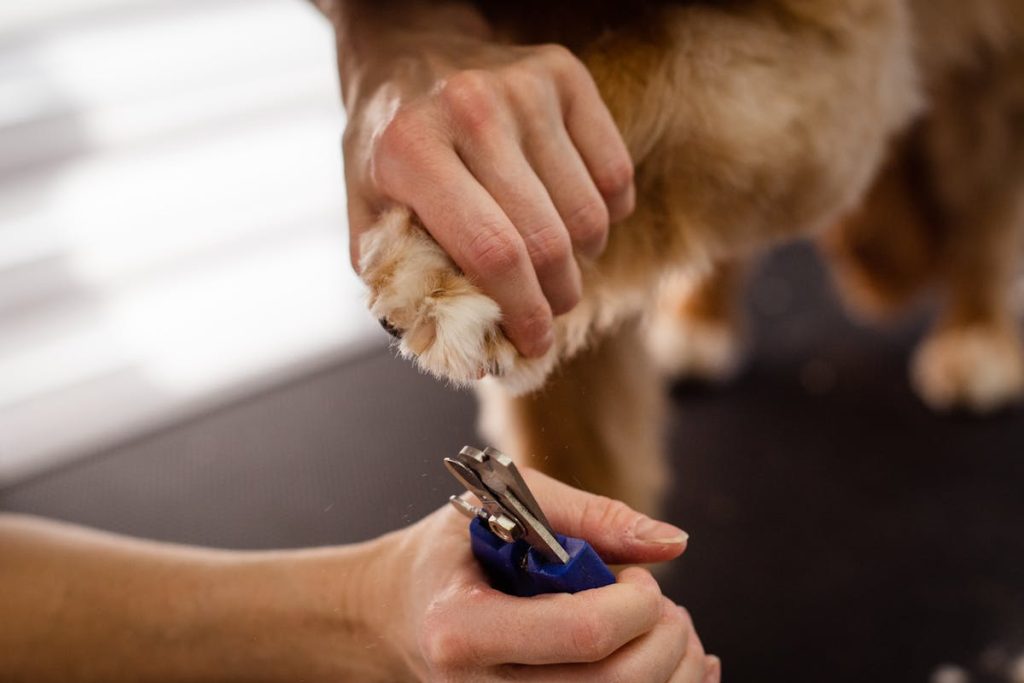
- Trimming: Schedule professional grooming every 6-8 weeks for trims, nail clipping, and ear cleaning.
Tip: Regular grooming not only keeps your puppy looking their best but also ensures their skin stays healthy.
4. Teddy Bear Puppy Training Tips
Training a Teddy Bear puppy is an enjoyable experience due to their intelligence and eagerness to please.
- Positive Reinforcement: Use treats and praise to encourage desired behaviors.
- House Training: Start early by establishing a routine for potty breaks.
- Socialization: Expose your puppy to new environments, people, and other pets to build confidence.
Tip: Consistency is key. Keep training sessions short and engaging for the best results.
5. Teddy Bear Puppies Health Guide
Keeping your Teddy Bear puppy healthy involves regular vet visits, a balanced diet, and preventative care.
- Vaccinations: Ensure your puppy is up-to-date on all vaccinations.
- Parasite Prevention: Protect against fleas, ticks, and worms with vet-recommended treatments.
- Dental Care: Brush their teeth regularly to prevent tartar buildup.
Tip: Monitor your puppy for signs of illness, such as lethargy or changes in appetite, and consult a vet promptly.
6. Exercise and Playtime
Teddy Bear puppies have moderate energy levels and require regular activity to stay fit.
- Daily Walks: Aim for two short walks per day.
- Indoor Play: Engage with interactive toys and games to keep them mentally stimulated.
- Safe Play Areas: Puppy-proof your home to create a secure space for play.
Tip: Avoid over-exercising young puppies, as their growing joints are delicate.
7. Teddy Bear Puppies and Kids: A Perfect Match
One of the biggest benefits of owning a Teddy Bear puppy is their compatibility with children. They are gentle, playful, and patient, making them excellent companions for kids.
- Supervised Play: Always supervise interactions between young children and puppies to ensure safety for both.
- Teaching Respect: Teach children how to handle the puppy gently and avoid rough play.
8. Lifespan of Teddy Bear Puppies
On average, the lifespan of Teddy Bear puppies ranges from 12 to 16 years. Proper care, a healthy diet, and regular vet visits can help them live a long and happy life.
FAQs About Teddy Bear Puppies
Q: What is the best way to find Teddy Bear puppies for sale or adoption?A: Reputable breeders and adoption centers are great options. Always ensure the puppy has undergone health checks.Q: What is the best diet for Teddy Bear puppies?A: A high-quality, small-breed-specific puppy food is ideal. Consult your vet for personalized recommendations.Q: How do you groom a Teddy Bear puppy?A: Brush their coat 3-4 times a week, bathe every 3-4 weeks, and schedule professional grooming every 6-8 weeks.Q: Are Teddy Bear puppies good with kids? A: Yes, they are gentle, playful, and patient, making them great companions for children.Q: What is the average lifespan of Teddy Bear puppies?A: Teddy Bear puppies typically live 12-16 years with proper care and a healthy lifestyle.