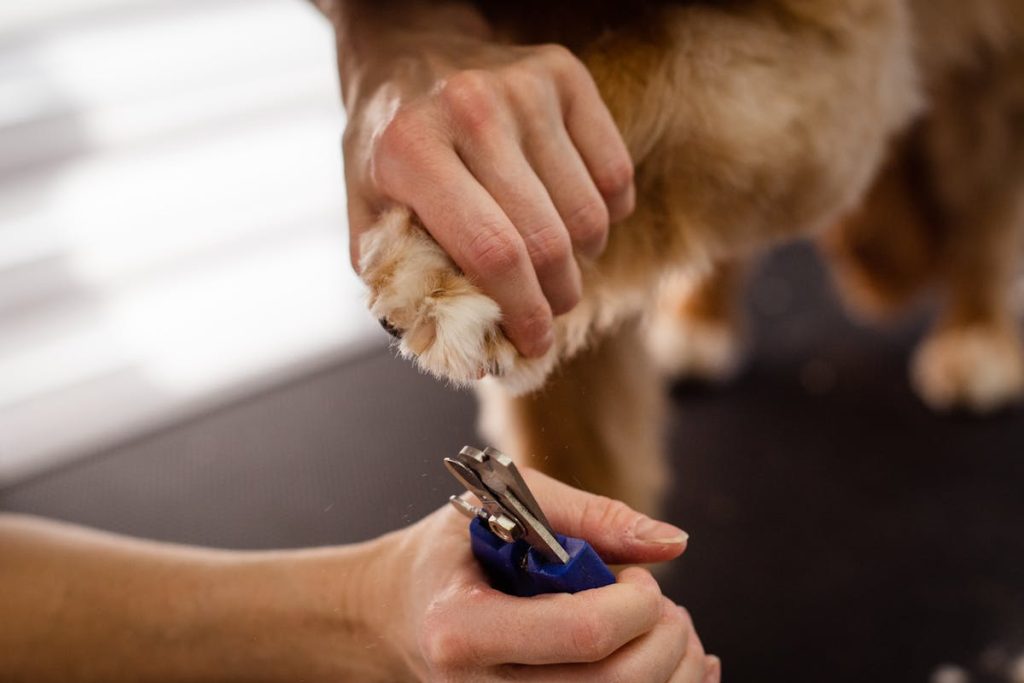

Choosing a puppy is exciting, but it’s also a big responsibility. Beyond selecting the right breed or temperament, one of the most important aspects of bringing a puppy home is reviewing their puppy health records. These documents provide essential insight into your future furry friend’s wellbeing and help ensure you are making a safe and informed decision.
Health records are more than a stack of papers—they are your puppy’s medical story, a roadmap of vaccinations, past illnesses, and preventive care. Understanding these details protects not just your puppy, but your whole family.

Introduction: The Importance of Puppy Health Documentation
Every puppy deserves a healthy start in life. Documentation like puppy vaccination records and medical history gives you confidence that your new companion has been cared for properly. These records also make future veterinary care smoother and more effective.
Understanding Puppy Health Records
What Are Puppy Health Records?
Puppy health records are detailed files that outline a dog’s medical history. They document vaccinations, treatments, weight progress, and any illnesses or procedures the puppy has undergone.
Types of Information Included
- Vaccinations (core and optional)
- Deworming and parasite treatments
- Vet visits and checkups
- Any congenital or acquired conditions
- Growth charts and weight tracking
Why Puppy Vaccination Records Are Critical
Core Vaccinations Every Puppy Needs
Core vaccines protect against deadly diseases such as distemper, parvovirus, adenovirus, and rabies. These vaccines are considered essential for all puppies, regardless of their environment.
Non-Core Vaccinations and Regional Requirements
Depending on where you live, some vaccinations may be recommended or required, including those for leptospirosis, bordetella (kennel cough), or Lyme disease.
Protecting Your Puppy From Diseases
Vaccination records ensure that your puppy has received all necessary protection. Without these records, you risk exposing them to preventable illnesses, some of which can be life-threatening.
Healthy Puppy Documentation Explained
Medical History
Medical history documents any illnesses, medications, surgeries, or treatments the puppy has received. This helps you anticipate future needs and avoid surprises.
Parasite Control Records
Documentation of deworming and flea/tick prevention ensures your puppy is free of common parasites that could impact their health or your household.
Growth and Weight Tracking
Consistent growth charts allow vets to monitor development and detect any abnormalities early on.
How Health Records Protect Your Family and Puppy
Reducing Risk of Contagious Diseases
A puppy with complete vaccination and medical records is less likely to carry or transmit dangerous diseases to other pets or humans.
Early Detection of Health Issues
Knowing a puppy’s past illnesses or treatments helps detect patterns and prevent complications before they escalate.
Puppy Medical History and Its Impact on Adoption Decisions
Recognizing Genetic Predispositions
Some breeds are prone to specific health conditions. Health records can reveal early signs or potential genetic concerns.
Avoiding Inherited Conditions
Documentation helps breeders, shelters, and future owners make informed choices, reducing the risk of passing on inherited diseases.
What to Look for in Puppy Health Records
Completeness and Accuracy
Check that every vaccination, treatment, and vet visit is recorded. Missing dates or unclear notes are red flags.
Professional Veterinary Signatures
All entries should be verified by a licensed veterinarian to ensure authenticity.
Questions to Ask Breeders or Shelters
Vaccination Schedule
Ask which vaccines were given, when, and what follow-ups are needed.
Recent Vet Visits
Inquire about recent checkups and overall puppy health.
Health Guarantee or Warranty
Some breeders provide guarantees covering genetic illnesses or early health issues.
The Role of Microchipping and Identification
Linking Records to Your Puppy
Microchips ensure that vaccination and medical records are traceable to your specific puppy.
Legal and Safety Benefits
Microchipping helps locate lost pets and ensures compliance with local pet laws.
Tips for Keeping Your Puppy’s Health Records Updated
Digital Records vs Paper Records
Digital records are easier to organize, share with vets, and backup for future use.
Scheduling Routine Checkups
Regular veterinary visits help maintain an updated and accurate medical history.
Maintaining Vaccination Reminders
Use reminders or apps to ensure timely booster shots and prevent gaps in care.
Red Flags in Puppy Documentation
Missing or Incomplete Records
Incomplete documentation may indicate neglect or a lack of proper care.
Unexplained Health Gaps
If there are unexplained periods without vet visits or vaccinations, ask questions before adopting.
How Health Records Influence Veterinary Care
Creating Accurate Treatment Plans
Vets rely on prior records to develop personalized care plans for your puppy.
Monitoring Long-Term Health
Complete documentation allows for tracking growth, behavior, and recurring conditions over the years.
Conclusion
Reviewing puppy health records and vaccination history is essential for a safe, healthy, and happy start for your new companion. Proper documentation protects your puppy, supports effective veterinary care, and gives you peace of mind that your puppy is receiving the care they need from day one.
FAQs
1. What are puppy health records?
They are documents detailing a puppy’s medical history, including vaccinations, treatments, and vet visits.
2. Why are vaccination records important?
They ensure your puppy is protected from contagious and potentially life-threatening diseases.
3. Can incomplete records indicate a health risk?
Yes, missing documentation may suggest neglected care or unknown medical issues.
4. How often should I update my puppy’s health records?
Keep records updated with every vet visit, vaccination, or treatment.
5. What should I ask a breeder about health records?
Ask about vaccination schedules, vet visits, health guarantees, and any past illnesses.