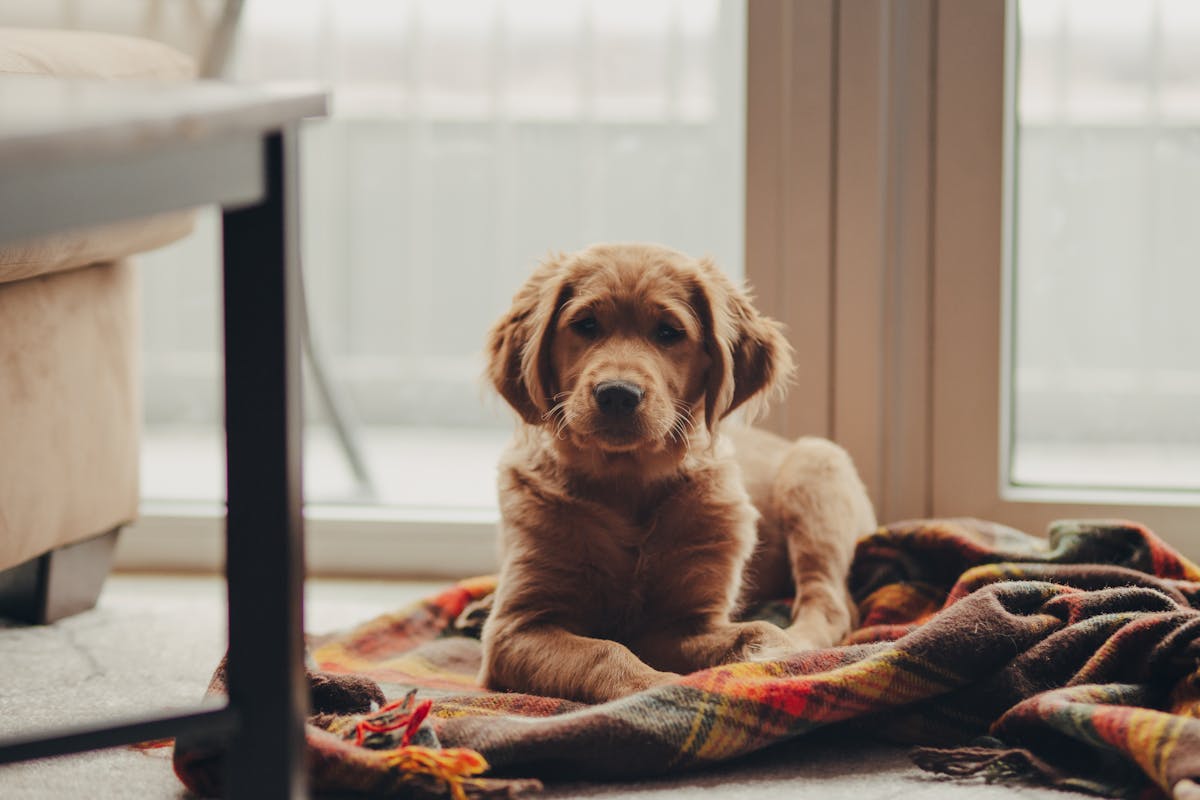

Introduction to Puppy Safe Apartment Setup
Why Small Spaces Need Smart Planning
Living in a small apartment does not mean you cannot raise a happy and healthy puppy. It simply means you need to be intentional. Every square foot matters. In a compact home, there is less room for mistakes and fewer places for your puppy to explore safely without supervision.
A proper puppy safe apartment setup is not about having more space. It is about using your space wisely.
The Importance of a Dedicated Puppy Zone
Imagine being dropped into a brand new world with no boundaries. Overwhelming, right? Puppies feel the same way. Creating a dedicated area helps them feel secure. It gives them a predictable place to rest, play, and relax.
When your puppy knows where their space is, stress decreases and good behavior improves.
Read More: Small Puppy Breeds Charleston Residents Prefer for City Living
Understanding Your Puppy’s Basic Needs
Before moving furniture around, think about what your puppy truly needs.
Safety
First comes protection. Puppies explore with their mouths. That means cords, shoes, furniture edges, and small objects all look like chew toys.
Comfort
Your puppy needs a soft sleeping spot, proper temperature, and a calm atmosphere.
Stimulation
Bored puppies become destructive puppies.
Physical Exercise
Even in a small apartment, puppies need daily movement. Short indoor games and regular outdoor walks make a big difference.
Mental Enrichment
Puzzle toys, basic training sessions, and scent games keep their brain engaged. Mental stimulation can tire a puppy out faster than physical activity alone.
Choosing the Right Location in a Small Apartment
Quiet Corners vs High Traffic Areas
Pick a corner that is visible but not chaotic. Avoid placing your puppy’s space directly next to the main door or television. Constant noise can cause anxiety.
A corner of the living room often works well. It keeps your puppy involved in family life without overwhelming them.
Avoiding Hazards Like Kitchens and Balconies
Kitchens have sharp tools, cleaning products, and hot surfaces. Balconies present falling risks. These areas should be restricted unless supervised.
Use baby gates or closed doors to block unsafe zones.
Puppy Proofing Your Apartment
This is where your puppy safe apartment setup becomes serious.
Securing Electrical Cords
Bundle cords together and use cord protectors. Hide them behind furniture whenever possible. A single chew can lead to injury.
Removing Toxic Plants
Many common houseplants are toxic to dogs. Check each plant before placing it within reach.
Blocking Small Gaps and Tight Spaces
Puppies can squeeze into surprisingly small areas. Block gaps behind sofas and under beds if you cannot monitor those spots.
Using Baby Gates Effectively
Baby gates are lifesavers in apartments. They create boundaries without completely isolating your puppy. Choose sturdy, pressure mounted gates for easy installation.

Setting Up a Comfortable Sleeping Area
Choosing the Right Bed
Select a bed that matches your puppy’s size. It should be soft but supportive. Avoid placing it in drafty areas near windows or doors.
Crate Training in Apartments
Crate training works well in small spaces. A crate provides structure and security. It becomes a safe den where your puppy can relax.
Keep the crate cozy with a blanket and ensure it is not used as punishment.
Maintaining a Calm Sleep Environment
Dim lighting and reduced noise at night help your puppy settle faster. Consistency builds good sleeping habits.
Designing a Safe Play Zone
Safe Toys for Small Spaces
Choose toys that fit your apartment lifestyle. Avoid oversized balls that bounce into fragile decor. Opt for chew toys, soft plush toys, and interactive feeders.
Rotating Toys to Prevent Boredom
Do not put all toys out at once. Rotate them every few days. This keeps them exciting and fresh.
Preventing Destructive Behavior
If your puppy chews furniture, it usually means boredom or teething discomfort. Offer appropriate chew alternatives and supervise closely.
Consistency is key.
Managing Food and Water Stations
Spill Proof Solutions
In small apartments, spills feel bigger. Use non slip bowls or silicone mats to contain mess.
Elevated feeders may help some breeds, but ensure they are stable.
Keeping Feeding Areas Clean
Clean bowls daily. Food residue attracts insects and creates odor in tight spaces.
Bathroom Solutions for Apartment Puppies
Potty Pads vs Outdoor Walks
Some apartment owners rely on potty pads. Others prefer strict outdoor routines. Both can work if consistent.
If using pads, place them in a designated corner and avoid moving them frequently.
Establishing a Routine
Take your puppy out at the same times each day. After meals. After naps. After playtime. Routine reduces accidents and confusion.
Noise Control and Stress Reduction
Handling Apartment Sounds
Apartments come with neighbor noise, elevators, and hallway activity. Introduce your puppy gradually to these sounds.
Play soft background noise if sudden sounds cause stress.
Creating a Calming Environment
Use calming beds, maintain a predictable schedule, and avoid overstimulation before bedtime.
A stable routine builds confidence.
Storage Tips for Keeping the Space Organized
Use vertical storage solutions. Baskets for toys. Hooks for leashes. Hidden storage keeps clutter away and prevents chewing temptations.
Organization supports safety.
Common Mistakes in Puppy Safe Apartment Setup
One major mistake is giving full access too soon. Puppies need boundaries. Another mistake is underestimating mental stimulation. Small spaces require more enrichment, not less.
Ignoring early training is another problem. Training shapes behavior before bad habits form.
Long Term Adjustments as Your Puppy Grows
Your puppy will not stay tiny forever. Beds will need upgrading. Gates may need repositioning. Energy levels will change.
Reevaluate your puppy safe apartment setup every few months. Adapt as needed.
Flexibility keeps things working smoothly.
Conclusion
Creating a puppy safe space in a small apartment is not about square footage. It is about strategy. With thoughtful planning, clear boundaries, and consistent routines, even the smallest apartment can become a secure and joyful home for your puppy.
Focus on safety. Provide comfort. Offer stimulation. Maintain structure. When these elements come together, your apartment becomes more than just a living space. It becomes a nurturing environment where your puppy can thrive.
Small space. Big love. Smart setup.
FAQs
1. Can I raise a large breed puppy in a small apartment?
Yes, but daily exercise and mental stimulation are essential. Space matters less than routine and activity.
2. How do I stop my puppy from barking at apartment noises?
Gradual exposure and positive reinforcement help reduce fear based barking.
3. Is crate training necessary in apartments?
It is not mandatory, but it provides structure and enhances safety in small spaces.
4. How often should I update my puppy’s space?
Review the setup every few months as your puppy grows and behavior changes.
5. What is the biggest priority in a puppy safe apartment setup?
Safety comes first. Remove hazards, create boundaries, and supervise consistently.