
Taking care of a puppy involves more than feeding, training, and playtime. Grooming is also an important part of keeping your puppy healthy and comfortable. One grooming task that many new dog owners feel nervous about is learning how to trim puppy nails safely. While it may seem difficult at first, trimming your puppy’s nails is actually a simple process once you understand the basics.
Puppies grow quickly, and so do their nails. If nails become too long, they can cause discomfort while walking or running. Long nails may also scratch floors, furniture, or even people during play. Regular nail trimming helps prevent these problems and keeps your puppy’s paws in good condition. With patience, the right tools, and a gentle approach, trimming puppy nails can become a normal and stress-free routine for both you and your pet.
Learn More: How to Build a Strong Bond with Your Puppy
Why It Is Important to Trim Puppy Nails Regularly
Many people assume nail trimming is only about appearance, but it actually plays a major role in a dog’s health. When nails grow too long, they begin to touch the ground constantly. This can affect the way your puppy stands and walks. Over time, long nails can place pressure on the toes and joints, which may lead to discomfort or posture issues.
Another reason to keep nails short is safety. Puppies are naturally energetic and love to run, jump, and explore. Long nails can easily catch on carpets, blankets, or outdoor surfaces. When that happens, a nail can tear or break, which is painful and may require veterinary care.
Regular nail trimming also protects you and your family. Puppies often use their paws while playing, and sharp nails can cause accidental scratches. Keeping the nails trimmed reduces this risk and makes playtime more enjoyable. For most puppies, trimming nails every few weeks is enough to keep them at a healthy length.
Understanding Puppy Nail Anatomy
Before you start trimming nails, it helps to understand the structure of a puppy’s nail. Knowing where it is safe to cut can prevent mistakes and make the process much easier.
A puppy’s nail is not just a hard outer shell. Inside the nail is a sensitive area called the quick, which contains blood vessels and nerves. Cutting into this area can cause pain and bleeding, so it is important to avoid it.
What Is the Quick in a Puppy’s Nail
The quick is the soft inner part of the nail that supports nail growth. In puppies with light-colored nails, the quick is usually visible as a pink section inside the nail. This makes it easier to know where to stop trimming.
However, puppies with dark nails have a hidden quick that cannot be seen easily. In those cases, trimming small amounts at a time is the safest approach. Slowly removing tiny pieces helps prevent cutting too deeply.
How Long Should Puppy Nails Be
Ideally, your puppy’s nails should not touch the ground when they are standing normally. If you hear a clicking sound when your puppy walks across a hard floor, that is often a sign the nails are too long. Keeping them short ensures your puppy can walk and run comfortably.
Tools You Need to Trim Puppy Nails Safely
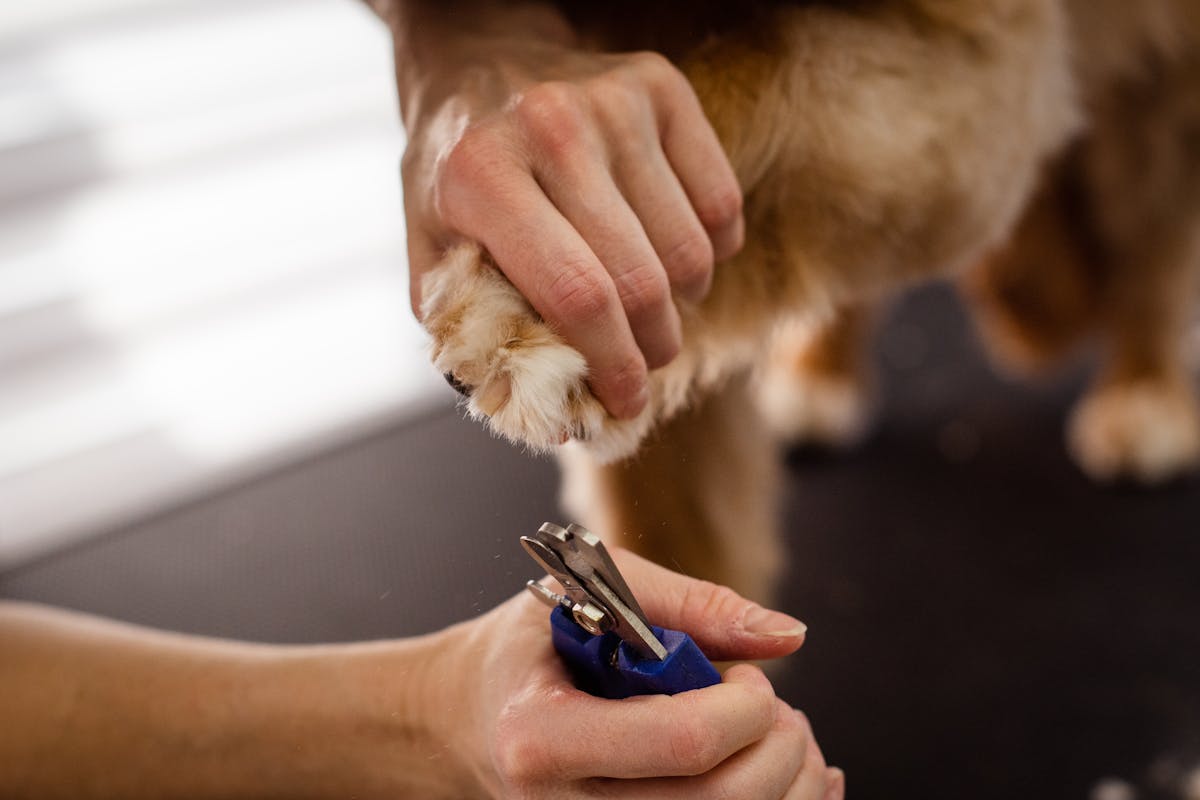
Using the right grooming tools makes nail trimming safer and more effective. There are two main tools commonly used for trimming puppy nails.
Types of Puppy Nail Clippers
Most dog owners use nail clippers designed specifically for pets. There are two popular types:
- Scissor-style clippers: These work like small scissors and provide good control.
- Guillotine-style clippers: These have a small hole where the nail is inserted before cutting.
Both types can work well, so choosing one often depends on personal preference and comfort.
Helpful Supplies for Nail Trimming
Besides clippers, a few additional items can make the process easier:
- Dog treats for positive reinforcement
- A towel or mat to keep the puppy steady
- Styptic powder in case of minor bleeding
- A nail file or grinder to smooth rough edges
Having these supplies ready before starting helps keep the trimming session calm and organized.
How to Prepare Your Puppy for Nail Trimming
Preparation is one of the most important parts of grooming. Puppies are naturally curious and sometimes nervous about new experiences, so introducing nail trimming slowly can make a big difference.
Start by getting your puppy comfortable with having their paws touched. Gently hold each paw for a few seconds while offering praise or treats. Doing this regularly helps your puppy learn that paw handling is normal and safe.
You should also allow your puppy to see and sniff the nail clippers before using them. This helps remove fear and builds trust. When your puppy feels relaxed, the actual trimming process becomes much easier.
Choosing a quiet location also helps. A calm environment without distractions allows your puppy to focus and stay relaxed during grooming.

Step-by-Step Guide to Trim Puppy Nails
Once your puppy is comfortable, you can begin trimming the nails. Working slowly and patiently will help create a positive experience.
Step 1: Position Your Puppy Comfortably
Place your puppy in a comfortable position, either sitting or lying down. Some owners prefer placing the puppy on their lap while others trim nails on the floor. The goal is to keep the puppy relaxed and stable.
Step 2: Identify the Safe Cutting Area
Look closely at the nail and locate the quick if it is visible. Always cut slightly below this area. If the quick cannot be seen, trim only a very small portion of the nail tip.
Step 3: Trim Small Sections Slowly
Instead of cutting a large piece at once, trim small sections gradually. This method reduces the risk of cutting the quick and keeps your puppy comfortable.
Step 4: Reward Your Puppy
After trimming each nail or paw, give your puppy a treat and praise. Positive reinforcement helps them associate nail trimming with a pleasant experience.
What to Do If You Accidentally Cut the Quick
Even experienced dog owners occasionally cut the quick by mistake. If this happens, do not panic. A small amount of bleeding is normal and can be stopped quickly.
Applying styptic powder or cornstarch to the nail usually stops the bleeding within a few minutes. Keep your puppy calm and offer reassurance while the bleeding stops. With practice, these accidents become less likely.
Common Puppy Nail Trimming Mistakes
Many grooming mistakes happen because owners rush the process. Cutting too much nail at once is the most common error. Always trim slowly and carefully.
Another mistake is trimming nails only when they become extremely long. Regular maintenance is easier and less stressful for your puppy. Skipping trims for long periods makes the quick grow longer as well, which increases the risk of cutting it.
Finally, avoid forcing your puppy to stay still. If they become anxious or restless, take a short break and try again later.
Tips to Make Nail Trimming Stress-Free
Making nail trimming a positive routine can save both you and your puppy from stress. One helpful strategy is starting grooming early in puppyhood. Puppies that learn grooming habits early usually accept them easily as adults.
Short grooming sessions also help. Instead of trimming all nails at once, you can trim a few nails at a time. This keeps the experience quick and manageable.
Consistency is another key factor. Regular trimming sessions help your puppy get used to the process, making future grooming easier and faster.
Conclusion
Learning how to trim puppy nails safely is an essential skill for every dog owner. While it may feel intimidating at first, it quickly becomes easier with patience and practice. Regular nail trimming keeps your puppy comfortable, prevents injuries, and supports healthy paw development.
By understanding nail anatomy, using the right tools, and creating a calm grooming environment, you can make nail trimming a simple and stress-free routine. Over time, your puppy will become familiar with the process and may even learn to stay relaxed during grooming sessions.
FAQs
1. How often should I trim my puppy’s nails?
Most puppies need their nails trimmed every 3 to 4 weeks, depending on their activity level and nail growth.
2. Can I use human nail clippers on a puppy?
It is better to use dog nail clippers because they are designed for the thickness and shape of canine nails.
3. What happens if puppy nails are not trimmed?
Overgrown nails can cause discomfort, affect walking posture, and increase the risk of injury.
4. How can I calm my puppy during nail trimming?
Using treats, praise, and a calm environment can help your puppy feel more relaxed during grooming.
5. Is it better to trim or grind puppy nails?
Both methods work well. Clippers are faster, while grinders help smooth the edges of the nails.