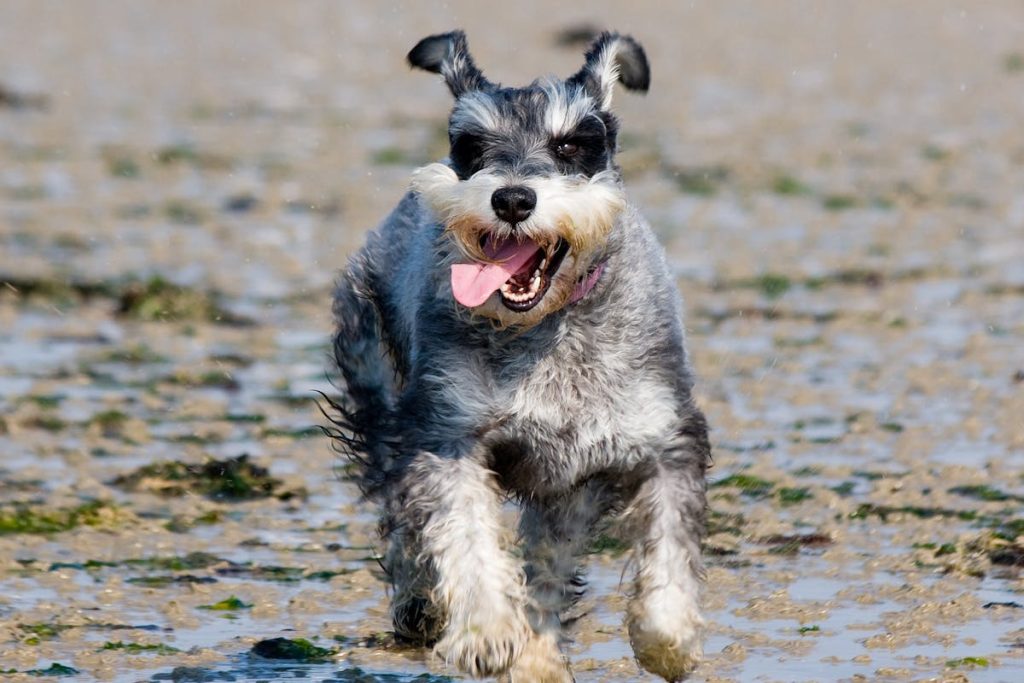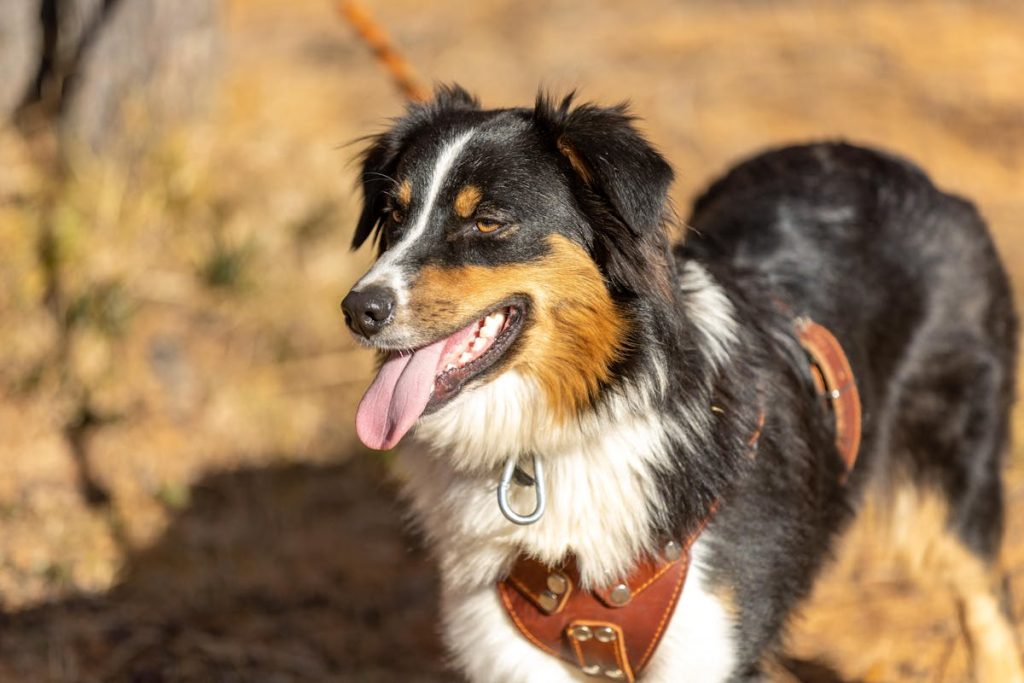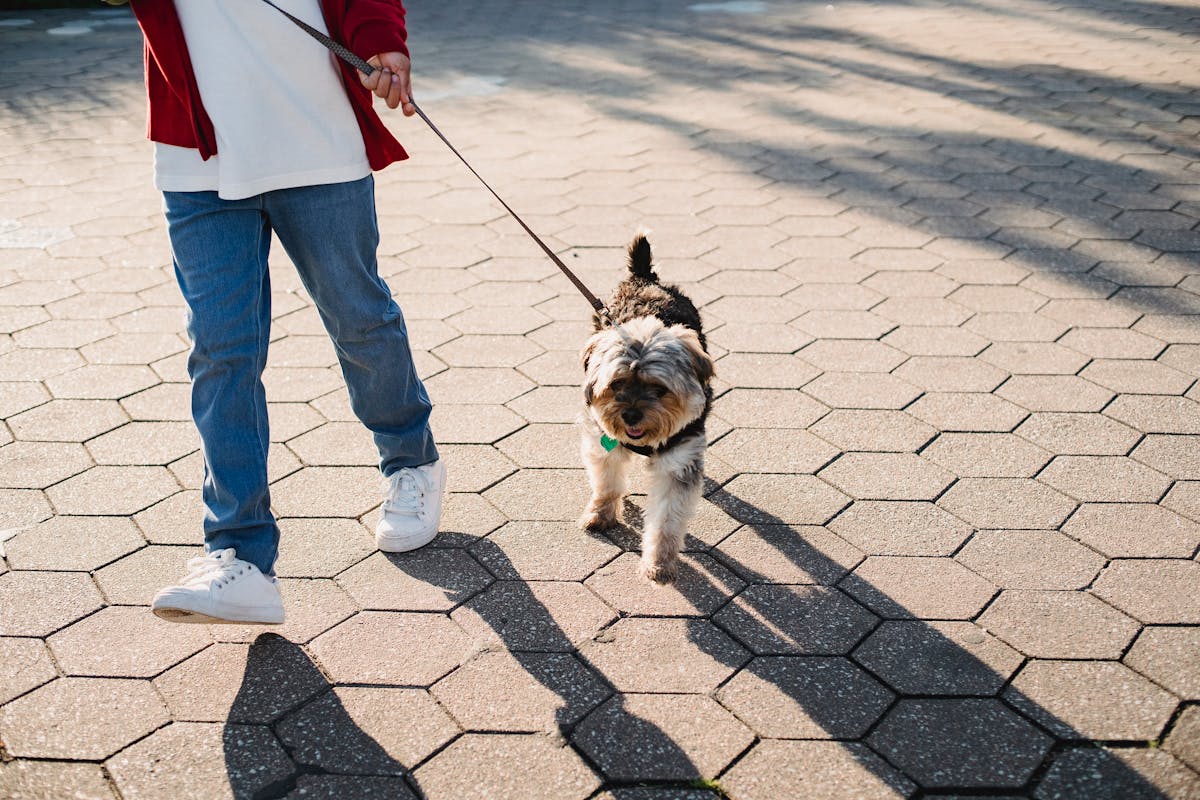

Walking your dog is one of the simplest yet most important parts of responsible pet ownership. It keeps your dog physically healthy, mentally stimulated, and emotionally balanced. Yet many dog owners still wonder about the ideal dog walking time and ask the same question: how long should you walk your dog each day? The truth is that there is no single answer that fits every dog. The amount of exercise a dog needs depends on several factors, including breed, age, size, health condition, and energy level.
For most healthy dogs, daily walks are essential. Veterinarians and pet experts generally recommend at least 30–60 minutes of daily walking for adult dogs, though some energetic breeds may require even more exercise to stay healthy and happy. Walking not only burns calories but also provides mental enrichment through smells, sights, and social interaction.
Why Daily Dog Walking Is Important
Daily walks are much more than bathroom breaks. Walking provides dogs with both physical and mental exercise, which is essential for maintaining a healthy lifestyle. Dogs are naturally curious animals that thrive on exploring their environment. When they walk, they experience new smells, sounds, and sights that stimulate their brains.
Regular walks also help maintain a healthy body weight. Dogs that receive consistent exercise are less likely to become overweight or obese. Obesity in dogs can lead to serious health problems such as joint pain, diabetes, and heart disease. By maintaining the proper dog walking time, you can help prevent many of these issues.
Walking also improves a dog’s social behavior. When dogs interact with people, other pets, and different environments during walks, they become more confident and less fearful. Socialized dogs are typically calmer and better behaved at home.
Perhaps most importantly, walking strengthens the bond between dogs and their owners. Spending time together outdoors builds trust and communication. A simple daily walk becomes an opportunity for companionship, training, and shared enjoyment.
How Long Should You Walk Your Dog Each Day?
The ideal dog walking time varies depending on the individual dog. However, most healthy adult dogs benefit from at least one or two walks per day totaling around 45–60 minutes. Some high-energy breeds may need up to 90 minutes or even two hours of exercise daily to burn off excess energy.
Instead of doing one long walk, many owners prefer splitting exercise into two or three shorter walks throughout the day. This schedule keeps dogs active while preventing exhaustion. For example, a typical routine might include a morning walk before work, a short midday break, and a longer evening walk.
The key is to observe your dog’s behavior. If your dog seems restless, destructive, or hyperactive after a short walk, they may need more exercise. On the other hand, if they become tired quickly or struggle to keep up, you may need to shorten the walk.
Weather conditions also influence walking duration. In hot weather, shorter walks during cooler hours are safer. In colder climates, you may need protective gear such as dog jackets or booties.
Ultimately, the goal is to provide enough exercise to keep your dog physically active and mentally satisfied.
Puppy Walking Guidelines
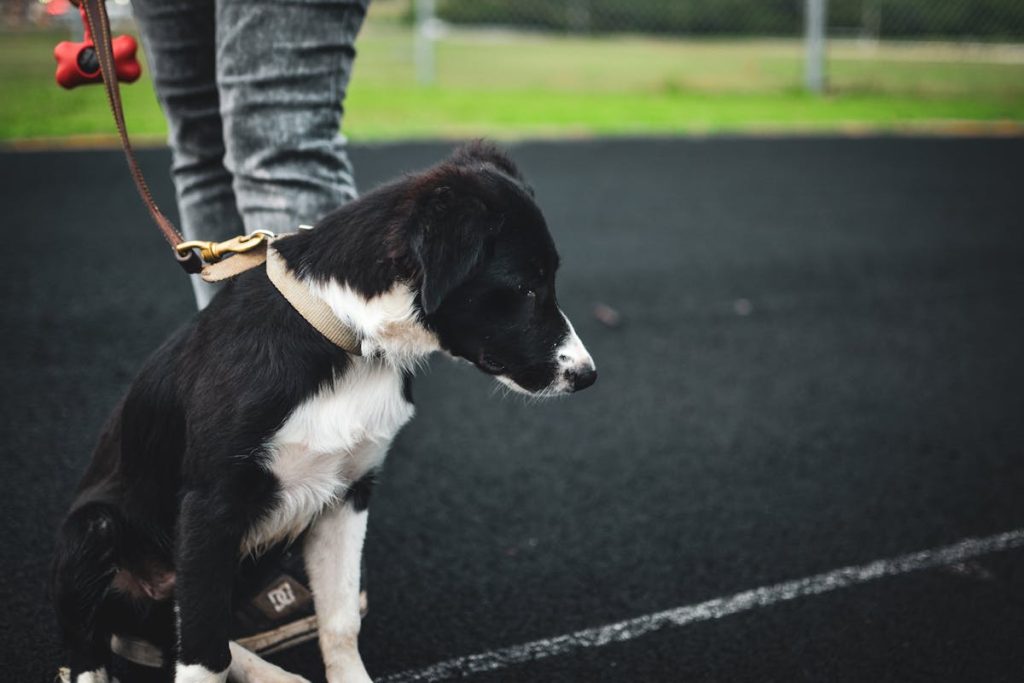
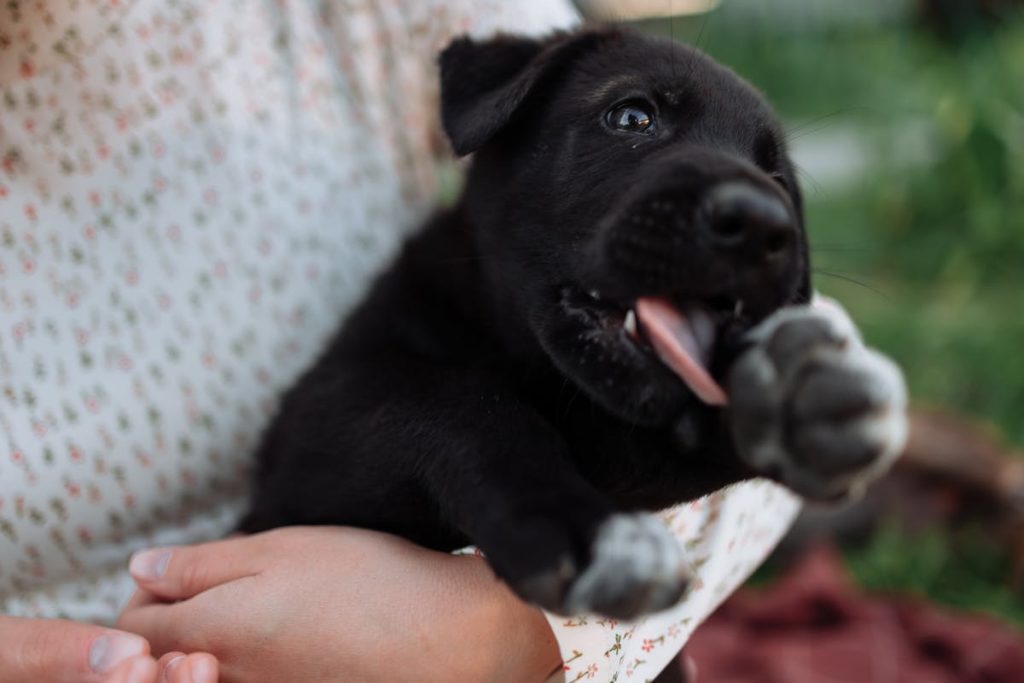
Puppies have different exercise needs than adult dogs because their bodies are still developing. Overexercising a puppy can put unnecessary stress on their joints and bones. Instead of long walks, puppies benefit from several short walks throughout the day.
A common guideline is the “five-minute rule.” This rule suggests walking a puppy for about five minutes per month of age. For example, a four-month-old puppy could handle about twenty minutes of walking at a time.
Puppies also gain exercise through playtime, training sessions, and exploring their environment. These activities provide both mental and physical stimulation while preventing exhaustion.
Short walks help puppies develop leash skills, confidence, and socialization without overwhelming their growing bodies.

Walking Needs for Senior Dogs
Senior dogs often slow down as they age. Arthritis, joint stiffness, and reduced stamina can make long walks difficult. However, regular movement is still important for maintaining mobility and preventing weight gain.
Instead of long walks, older dogs usually benefit from shorter, slower walks with frequent breaks. Gentle exercise helps maintain joint flexibility and muscle strength while improving circulation.
Owners should watch for signs of fatigue such as limping, heavy panting, or reluctance to continue walking. Adjusting the dog walking time based on your dog’s comfort ensures they remain active without discomfort.
Veterinarians may also recommend joint supplements or specific exercise routines for aging dogs.
Signs Your Dog Needs More Exercise
Dogs often communicate their needs through behavior. When dogs do not get enough activity, they may show signs of boredom or frustration.
Common signs that your dog may need more dog walking time include excessive barking, chewing furniture, digging in the yard, or pacing around the house. Some dogs may also become hyperactive or restless, especially in the evening.
Adding an extra walk or increasing the duration of existing walks can help burn off excess energy. Interactive play, training sessions, and puzzle toys can also provide additional mental stimulation.
Observing your dog’s behavior helps you adjust their exercise routine to meet their individual needs.
Tips for a Better Dog Walking Routine
Creating a consistent walking routine helps dogs feel secure and balanced. Dogs thrive on predictable schedules, so walking at the same times each day can improve behavior and reduce anxiety.
Morning walks help dogs release energy and start the day calmly. Evening walks provide another opportunity for exercise and relaxation after a long day.
Using positive reinforcement during walks can also strengthen training. Rewarding good behavior with praise or treats encourages dogs to walk politely on the leash.
Varying walking routes occasionally can also make walks more exciting. New environments provide fresh scents and experiences that stimulate your dog’s curiosity.
Conclusion
Determining the right dog walking time depends on several factors including breed, age, health, and energy level. While most adult dogs benefit from 30–60 minutes of daily walking, some high-energy breeds may require significantly more activity to stay healthy and balanced.
Understanding how long you should walk your dog helps create a routine that supports both physical health and mental well-being. Puppies need shorter walks, adult dogs require consistent daily exercise, and senior dogs benefit from gentle movement.
By observing your dog’s behavior and adjusting their walking schedule accordingly, you can ensure they receive the right amount of exercise. A simple daily walk becomes more than just physical activity—it becomes a shared experience that strengthens the bond between you and your dog.
FAQs
1. How long should you walk your dog each day?
Most adult dogs need around 30–60 minutes of walking per day, depending on their breed and energy level.
2. Is one walk a day enough for a dog?
Many dogs benefit from two walks per day, which helps spread exercise throughout the day and prevents boredom.
3. Do puppies need daily walks?
Yes, but puppies require shorter walks. A common guideline is five minutes per month of age per walk.
4. What happens if dogs don’t get enough exercise?
Dogs without enough activity may develop behavioral issues such as chewing, barking, or restlessness.
5. Can you walk your dog too much?
Yes, especially puppies or senior dogs. Excessive exercise can lead to joint stress or fatigue.