Generic selectors
Exact matches only
Search in title
Search in content
Post Type Selectors
pets_tailwag

123-456-7890

Call us today

Generic selectors
Exact matches only
Search in title
Search in content
Post Type Selectors
pets_tailwag
Generic selectors
Exact matches only
Search in title
Search in content
Post Type Selectors
pets_tailwag

Post

Poodle Daily Routine: Exercise, Feeding, and Grooming Schedule

Introduction

If you own a Poodle, you already know they are one of the smartest, most elegant, and loving dogs out there. But did you know they thrive best when life is structured? Just like humans, Poodles feel secure and happy when they have a predictable routine. From feeding times to exercise and grooming, a consistent daily schedule keeps them healthy, mentally sharp, and well-behaved.

Understanding Your Poodle

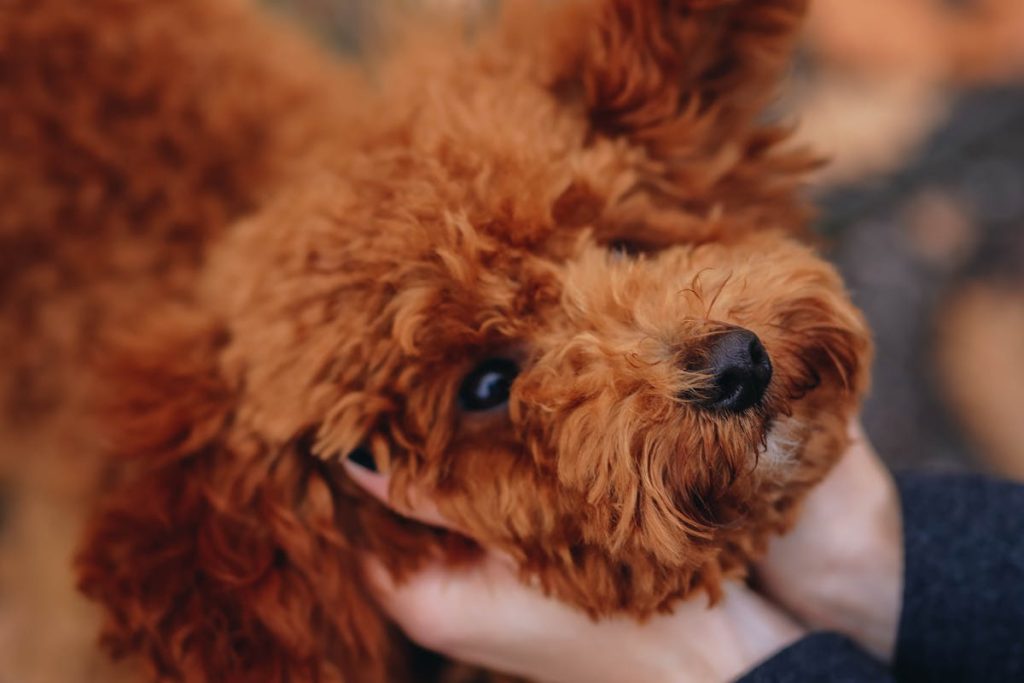
Before creating a routine, it’s important to understand the type of Poodle you have. Poodles come in three sizes: Toy, Miniature, and Standard.

  • Toy Poodles are tiny and need shorter but more frequent activities.
  • Miniature Poodles are active and playful, requiring moderate daily exercise.
  • Standard Poodles are the most athletic and need longer exercise sessions.

Your Poodle’s size, age, and personality all play a role in shaping their perfect daily schedule.

Morning Routine

Mornings set the tone for your Poodle’s entire day, and starting with the right routine helps them feel balanced and happy. As soon as your Poodle wakes up, begin with a potty break to let them relieve themselves and stretch their legs. This not only prevents accidents indoors but also kickstarts their energy for the day.

Next, go for a morning walk or light exercise session. For Toy and Miniature Poodles, a 15–30 minute walk is usually enough to satisfy their early burst of energy. Standard Poodles, being larger and more athletic, often benefit from a longer 30–45 minute brisk walk or even a short jog alongside you. Morning activity clears their mind, reduces restlessness, and prevents destructive behavior later in the day.

Feeding Schedule

Poodles do best on a structured feeding routine.

  • Puppies: 3–4 small meals daily
  • Adults: 2 balanced meals a day
  • Seniors: 2 lighter meals with easy-to-digest food

Avoid free-feeding since Poodles can overeat, leading to obesity. Stick with high-quality protein, healthy fats, and fiber-rich foods. Never feed chocolate, grapes, onions, or heavily processed human foods.

Exercise Needs

Poodles are energetic, and without exercise, they can become restless or destructive.

  • Standard Poodles: At least 1–2 hours of activity daily (walks, runs, swimming).
  • Miniature Poodles: About 45 minutes to 1 hour daily.
  • Toy Poodles: 20–40 minutes of light exercise daily.

Mix outdoor walks with indoor games like fetch or hide-and-seek to keep them entertained.

Mental Stimulation

Poodles are highly intelligent and crave mental challenges. Physical exercise alone won’t be enough. Use puzzle feeders, interactive toys, and obedience training to keep their minds sharp. A bored Poodle can quickly turn to chewing or barking for entertainment.

Afternoon Activities

Afternoons are great for another short walk or interactive play session. Standard Poodles often have midday energy bursts, so a run in the yard or a quick game of frisbee will keep them content.

Grooming Routine

Grooming is a huge part of owning a Poodle. Their curly coats require daily brushing to prevent tangles and mats.

  • Daily: Brushing coat, wiping eyes
  • Weekly: Bathing (every 2–3 weeks), trimming hair
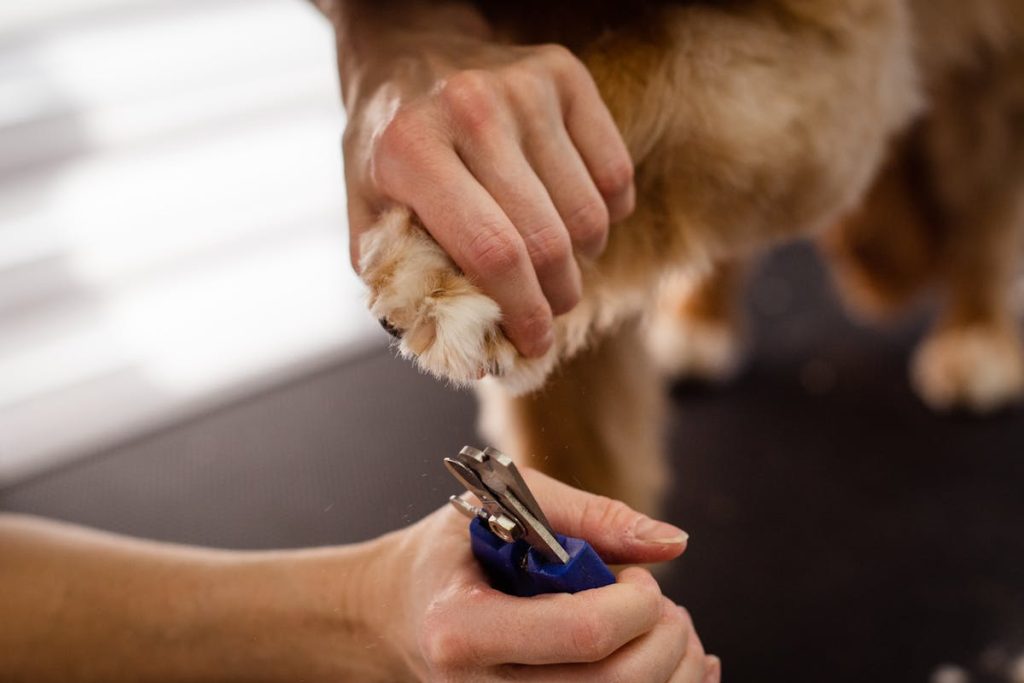
  • Monthly: Ear cleaning, nail trimming, teeth brushing

A well-groomed Poodle not only looks stunning but also avoids painful skin issues.

Evening Routine

Wind down your Poodle’s day with a calm evening walk followed by dinner. After eating, let them rest before bedtime. Evening cuddles or quiet time on the couch help signal that the day is ending.

Sleep Schedule

Poodles need proper rest to stay healthy.

  • Puppies: 18–20 hours of sleep
  • Adults: 12–14 hours
  • Seniors: 14–16 hours

Provide a cozy, quiet sleeping area away from disturbances so they feel safe.

Training as Part of Routine

Incorporate short training sessions into daily life. Whether it’s practicing sit, stay, or recall, training keeps your Poodle obedient and mentally engaged. Consistency builds confidence and strengthens your bond.

Socialization

Poodles are natural social butterflies, and their playful, curious personalities thrive on interaction. But socialization isn’t just about being friendly it’s about shaping a well-balanced dog that feels confident in different environments. Without proper exposure, even a smart and affectionate Poodle may develop anxiety, shyness, or unwanted behaviors like excessive barking or fear of strangers.

From the time they are puppies, Poodles should be gradually introduced to different people, animals, sounds, and environments. This helps them learn that the world is safe and exciting rather than scary. A puppy who is socialized early is far more likely to grow into an adaptable adult dog.

Health Check in Daily Routine

Take a few minutes each day to check your Poodle’s eyes, ears, coat, and paws. Early detection of lumps, redness, or unusual behavior can save you from bigger health problems later.

Weekly and Monthly Additions

Besides daily care, don’t forget monthly commitments:

  • Professional grooming every 4–6 weeks
  • Vet checkups twice a year
  • Vaccinations and flea/tick prevention as recommended

Tips for Busy Owners

Life can get hectic, but your Poodle still needs routine. If you’re busy:

  • Hire a dog walker for mid-day breaks
  • Use puzzle toys when you’re away
  • Consider doggy daycare for socialization and exercise

Consistency matters more than perfection—just do your best to stick to a pattern.

Conclusion

A Poodle’s daily routine isn’t just about feeding and walking—it’s about creating balance. When your Poodle gets the right mix of exercise, mental stimulation, grooming, and rest, they thrive both physically and emotionally. With a structured schedule, you’ll have a happy, healthy, and well-mannered companion for years to come.


FAQs

1. How many times a day should I walk my Poodle?
Most Poodles do well with two walks a day, but Standard Poodles may need longer sessions.

2. Can Toy Poodles get enough exercise indoors?
Yes, short play sessions and interactive toys indoors are often enough for Toy Poodles.

3. How often should I bathe my Poodle?
Every 2–3 weeks is ideal, but always brush daily to prevent mats.

4. Is dry food or wet food better for Poodles?
High-quality dry kibble helps with dental health, but mixing in wet food occasionally adds variety.

5. Do Poodles need professional grooming?
Yes, every 4–6 weeks. Their coats grow continuously and need expert trimming.

Bearded Collie Exercise Needs: How to Keep This Playful Herding Breed Fit

Introduction

The Bearded Collie, with its signature shaggy coat and endless enthusiasm, isn’t just a pretty face—it’s a high-energy herding dog that needs to move. A lot. If you’re lucky enough to share your life with one of these bouncy pups, understanding their exercise needs is key to their happiness and your sanity.

So how do you keep this playful herding breed fit? Let’s dive into everything you need to know to keep your Beardie happy, healthy, and out of trouble.


Understanding the Bearded Collie’s Herding Instinct

A Working Dog at Heart

Originally bred in the Scottish Highlands to herd sheep and cattle, the Bearded Collie’s drive to do something is hardwired. This isn’t a lapdog—it’s a task-oriented, go-go-go breed that thrives when given a job.

What Herding Means for Exercise

That herding instinct translates into a need for purposeful movement. Your Beardie doesn’t just want to run—they want to chase, fetch, herd, and explore. Ignoring that urge? That’s when the trouble (chewing, barking, zoomies) begins.


How Much Exercise Does a Bearded Collie Need Daily?

General Guidelines for Puppies, Adults, and Seniors

  • Puppies (under 1 year): 5 minutes of exercise per month of age, up to twice a day. Avoid overdoing it as their joints are still developing.
  • Adults (1–7 years): 60–90 minutes daily. A mix of walking, running, and mental games is ideal.
  • Seniors (7+ years): Around 45 minutes daily. Adjust intensity but keep them moving.

Warning Signs of Under- or Over-Exercising

Too little? You’ll notice boredom, hyperactivity, or destructive behavior.
Too much? Limping, reluctance to move, or excessive panting.


Best Types of Physical Activities

Walks and Hikes

Bearded Collies are excellent walking or hiking companions. Their stamina is impressive, and they’ll enjoy sniffing and trotting alongside you for miles.

Off-Leash Play and Dog Parks

Secure, fenced areas allow them to let loose. Just be mindful of their tendency to herd other dogs—it’s in their nature!

Fetch, Tug, and Frisbee

Games like fetch or frisbee tap into their love of chasing and give them a great cardio workout.


Mental Stimulation is Just as Important

Puzzle Toys and Interactive Feeders

Don’t underestimate the power of a food-dispensing toy. It can keep your Beardie engaged for hours and burn mental energy.

Scent Games and Nose Work

Hide treats around the house or yard and let them sniff them out—it’s fun, fulfilling, and taps into natural instincts.

Obedience and Trick Training

Teach new commands, tricks, or even simple agility setups at home to keep their brain ticking.


Bearded Collies and Dog Sports

Agility and Flyball

These sports are perfect for high-energy dogs. Agility courses, jumps, and tunnels keep them physically and mentally fit.

Herding Trials

Let them do what they were born for! Herding events provide a safe space for Beardies to showcase their natural skills.

Rally and Obedience Competitions

A great way to bond and train simultaneously while fulfilling their desire to “work.”


Creating a Weekly Exercise Routine

Daily Physical and Mental Balance

Mix things up—walks in the morning, fetch in the afternoon, puzzle games in the evening.

Indoor vs. Outdoor Activities

Bad weather? No problem. Play tug-of-war, run up stairs, or hide toys indoors to keep them active.


Weather Considerations

Hot Weather and Coat Management

Avoid intense activity during the heat of the day. Brush regularly to prevent matting, and ensure hydration.

Keeping Active in Cold or Rainy Climates

Their coat provides decent insulation. Use raincoats or booties if needed, or opt for indoor games and treadmill walks.


Exercise Safety Tips

Joint Health and Growth Plate Awareness in Puppies

Avoid jumping or intense running until they’re fully grown (usually around 12–18 months).

Signs of Fatigue or Overheating

Heavy panting, drooling, or lying down suddenly? Time to stop and rest.


Exercise and Behavior Connection

Reducing Anxiety and Boredom

A tired Beardie is a calm Beardie. Exercise curbs anxiety, excessive barking, and even separation distress.

Preventing Destructive Behavior

Chewed shoes or shredded pillows? Likely a bored dog. Physical and mental activity curbs the chaos.


Living in Apartments vs. Large Homes

Creative Ways to Keep Them Active Indoors

  • Hide-and-seek
  • Stair runs
  • Indoor obstacle courses

Urban Exercise Strategies

Early-morning walks, weekend trips to parks, and interactive indoor play are your best friends.


Socialization Through Exercise

Benefits of Group Play and Social Outings

Meeting new dogs and people keeps Beardies confident and well-adjusted.

Doggy Daycare and Group Walks

A few hours at daycare a couple of times a week can do wonders for their social and physical well-being.


Involving the Whole Family

Kids and Bearded Collie Playtime

Beardies and kids are a great match—supervised games like fetch or agility courses are fun for both.

Exercise as a Bonding Opportunity

Training, playing, and walking together strengthen your bond and improve trust.


Mistakes to Avoid When Exercising a Bearded Collie

Inconsistency

Skipping too many days of exercise can lead to pent-up energy—and chaos.

Ignoring Mental Needs

Physical activity alone isn’t enough. Combine movement with thinking games.


Conclusion and Final Thoughts

Bearded Collies are intelligent, joyful, and full of energy—but they need the right balance of physical and mental exercise to thrive. Whether it’s a long hike, a fast-paced game of fetch, or a puzzle toy indoors, staying active keeps your Beardie happy and your home peaceful.

If you’re ready to commit to their exercise needs, you’re in for a lifetime of loyalty, fun, and furry adventures.


FAQs

1. Can a Bearded Collie be a couch potato?

Not really. They’re happiest when active. A tired Beardie might enjoy lounging, but they need daily activity to stay balanced.

2. How do I tire out my Bearded Collie indoors?

Try hide-and-seek, puzzle feeders, indoor fetch, and stair games. Mental tasks can be just as draining as physical ones.

3. Is swimming a good exercise for this breed?

Yes! If they enjoy water, swimming is a fantastic low-impact workout that’s easy on the joints.

4. Can they run with me on long distances?

Absolutely, once fully grown. They make great jogging partners—but build up distance slowly and always watch for fatigue.

5. What’s the best time of day to exercise a Bearded Collie?

Mornings and evenings are ideal, especially in warmer months. Aim for a consistent routine your dog can look forward to.

Puppy Socialization Tips: 10 Pro Secrets to Start Right with Your New Petland Puppy

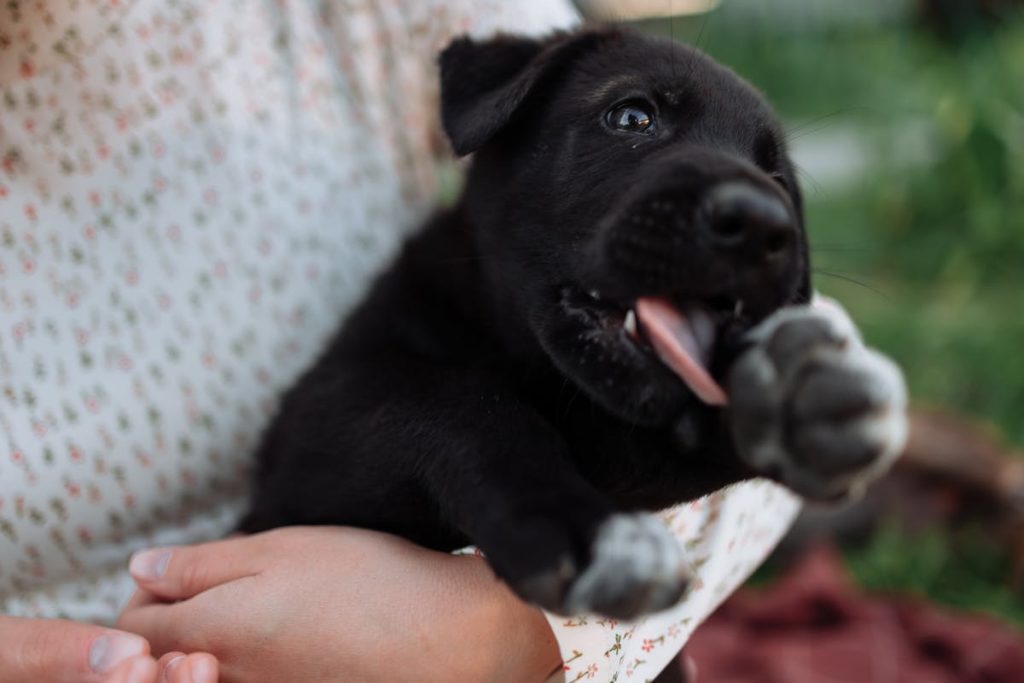
Bringing home a new puppy is one of life’s most exciting moments, but with that adorable face comes a big responsibility socialization. It’s not just about playing with other dogs; it’s about raising a happy, confident pup ready for the world. At Petland Summerville, we want to help you get it right from day one.

In this guide, we’ll cover everything you need to know about puppy socialization when, how, and why plus 10 expert tips to set you and your new furry friend up for success.


What Is Puppy Socialization?

Puppy socialization refers to the critical developmental process during which a young dog is gradually and safely exposed to a variety of stimuli, environments, people, animals, objects, and experiences. The goal of socialization is to help your puppy become confident, calm, and well-adjusted in the diverse situations they will encounter throughout their life.

Think of socialization as your puppy’s “life skills training”. Just like children learn to interact with others, attend school, and explore the world, puppies need guided experiences that shape their understanding of what is safe, normal, and acceptable.


Why Socialization Is Crucial for Your Puppy

Behavioral Benefits of Socialization

Properly socialized puppies are less likely to develop behavior problems like aggression, fear, and anxiety. They grow into well-adjusted dogs who are comfortable around kids, strangers, and other pets.

Emotional and Cognitive Development

Socialization strengthens your puppy’s brain and emotional resilience, helping them learn faster and adapt better to new experiences. It’s the mental stimulation they crave!

Living with an Akita

Best Time to Start Puppy Socialization

The Critical Socialization Window

Experts agree the ideal time for socialization is between 3 to 14 weeks of age. This is when your puppy is naturally curious and most open to new experiences.

Late Socialization Risks

Delaying socialization past 16 weeks can lead to fear-based behavior, making it harder to reverse bad habits later. Start early and stay consistent.


How Petland Summerville Helps with Early Puppy Socialization

Ethical Breeding and Early Handling

Petland Summerville partners with responsible breeders who begin socializing puppies right from birth. Puppies are gently handled and introduced to humans daily.From birth, puppies are gently handled every day to help them feel comfortable with human touch. This early handling is more than just cuddles—it’s the foundation for confident, well-adjusted dogs.

Puppies are introduced to safe environments, different textures, and soft voices, helping them grow into companions who are ready to bond with their new families. By starting socialization early, we ensure your puppy comes to you already familiar with positive human interaction, making the transition into your home much smoother.

Health-Checked and Pre-Socialized Puppies

All our puppies receive vet checks, vaccinations, and early exposure to sounds, sights, and gentle human interaction—giving your puppy a head start. You’ll receive a detailed health record so you know exactly what care your puppy has received and when their next check-up is due.

Our puppies experience early socialization from the start, being exposed to gentle human interaction, everyday household sounds, and safe play environments. This helps reduce fear and anxiety later in life and sets them up for easier training. By the time they meet you, they’re not only healthy but also confident, curious, and ready to become a loving member of your family.


10 Pro Tips for Socializing Your Petland Puppy

Tip 1: Start Slowly and Safely

Let your puppy explore at their own pace. Avoid overstimulation and allow breaks. Always supervise their interactions.

Tip 2: Introduce New Environments

Take them to pet-friendly parks, stores, or friends’ houses. Gradually increase exposure while monitoring their comfort level.

Tip 3: Meet New People Regularly

Introduce your pup to people of all ages, wearing hats, sunglasses, or uniforms. Variety is key to confidence.

Tip 4: Gentle Exposure to Other Pets

Organize playdates with vaccinated, friendly dogs or cats. Keep initial meetings short and positive.

Tip 5: Handle Your Puppy Often

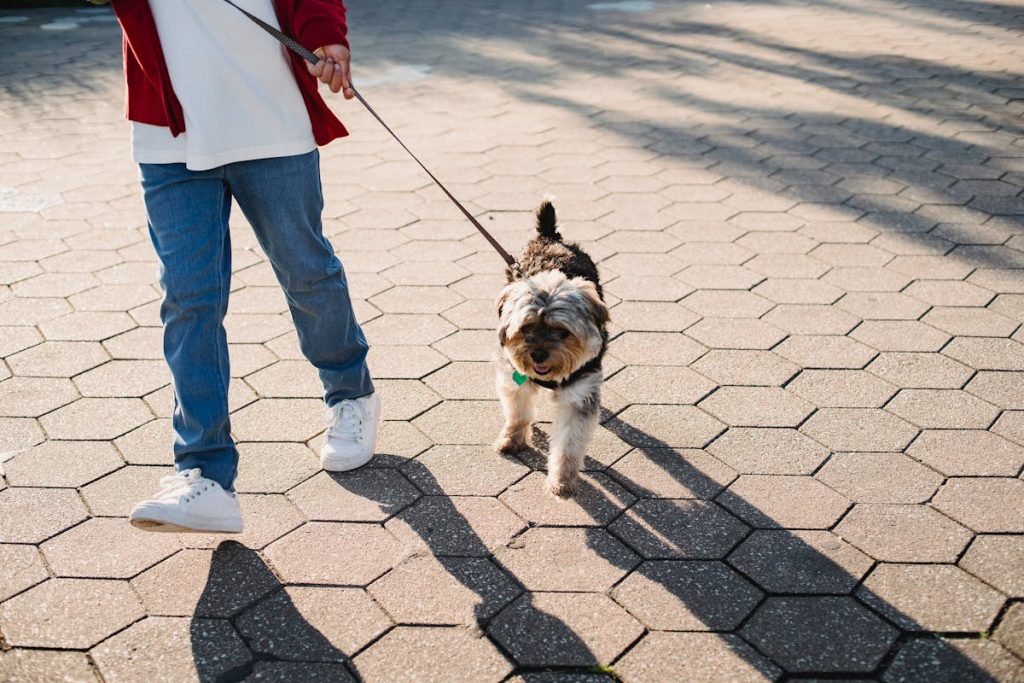
Touch their paws, ears, tail, and teeth regularly. This prepares them for vet visits and grooming.

Tip 6: Reward Positive Behavior

Use treats and praise when your puppy remains calm in new situations. Positive reinforcement boosts confidence.

Tip 7: Monitor Body Language

Learn signs of stress: tucked tail, yawning, lip licking. If they’re overwhelmed, take a break.

Tip 8: Use Puppy Classes Wisely

Enroll in a puppy kindergarten class led by certified trainers. It’s great for learning social cues in a safe setting.

Tip 9: Avoid Overwhelming Situations

Loud events or crowded areas can scare young puppies. Gradual exposure is better than “throwing them in the deep end.”

Tip 10: Be Consistent and Patient

Socialization is a daily habit, not a one-time event. Make it fun and engaging every day.


Common Puppy Socialization Mistakes to Avoid

Forcing Unfamiliar Situations

Don’t push your puppy to confront fears. Encourage but never force interactions.

Skipping Socialization Due to Fear

Avoiding socialization entirely out of fear of illness can backfire. Use safe environments and follow your vet’s advice.


FAQs

Q1. When should I start socializing my Petland puppy?
Start as early as 8 weeks old, following your vet’s vaccination guidance.

Q2. What are signs my puppy is overwhelmed?
Watch for signs like hiding, trembling, or excessive yawning. Give them space to recover.

Q3. Are puppy socialization classes worth it?
Yes! They provide controlled exposure to other puppies and expert guidance.

Q4. Can I socialize my puppy before all vaccinations?
Yes, but stick to safe places like your home, friends’ homes, or puppy classes with vet-approved protocols.

Q5. How long does socialization take?
It’s an ongoing process, especially during the first year.

Q6. Where can I find socialization events near Summerville, SC?
Check local pet stores, vets, or community centers for puppy meetups or training classes.


Conclusion

Proper puppy socialization is one of the best investments you can make in your dog’s future. With the right techniques and daily effort, your Petland Summerville puppy will grow into a happy, balanced companion. Start small, stay consistent, and enjoy the journey you’re building the foundation for a lifetime of loyalty and love.

Living With an Akita: What New Owners Need to Know in the First Year

Introduction

Thinking about getting an Akita or just brought one home? You’re in for a wild, wonderful ride. These dogs are like having a loyal samurai warrior at your side strong, silent, fiercely loyal, and sometimes hilariously stubborn. But make no mistake, the first year with an Akita is a make-or-break period. This is when your bond forms, habits get set, and you’ll either build a best friend for life or set yourself up for a world of frustration.

Let’s break down everything you need to know in your Akita’s first 12 months.


Getting to Know the Akita

Before anything else, it’s crucial to understand the Akita’s heritage. Originating from Japan, Akitas were once used for guarding royalty and hunting big game like bears. That’s right bears. So yeah, you’re not dealing with a couch potato here.

Personality-wise, Akitas are:

  • Independent thinkers
  • Extremely loyal to their people
  • Reserved, sometimes aloof with strangers
  • Naturally protective of their home and family

Unlike Labrador Retrievers who love everyone, Akitas pick their people and protect them fiercely.


Preparing Your Home for an Akita Puppy

You wouldn’t bring home a baby without setting up a crib, right? Same idea here.

Here’s what you’ll need:

  • A secure crate for training and downtime
  • Chew toys and puzzle feeders to keep them engaged
  • Baby gates (yes, even for dogs) to set boundaries
  • A designated potty area for outdoor training

Akitas are curious and powerful, so make sure anything breakable, chewable, or dangerous is well out of reach.


The First Week Home

The first week can be a rollercoaster. Your puppy might cry at night, hide under furniture, or shadow you like a stalker.

Here’s how to ease the transition:

  • Stick to a routine meals, potty, naps
  • Use the crate for quiet time, not punishment
  • Expect some accidents and sleepless nights

Oh, and don’t invite the whole neighborhood over on day one. Let them settle in slowly.


Socialization is Key

If you take nothing else away from this article, remember this: SOCIALIZE YOUR AKITA EARLY AND OFTEN.

Expose them to:

  • New people (men, women, kids)
  • Other friendly, well-behaved dogs
  • Cars, parks, pet stores, even vacuum cleaners

Positive exposure now prevents fear-based aggression later. The window for socialization starts closing around 16 weeks don’t miss it.


Feeding and Nutrition

Akitas aren’t picky, but their size and coat require nutrient-rich food.

Key tips:

  • Choose a high-quality large-breed puppy formula
  • Stick to a schedule (2–3 meals a day)
  • Watch for signs of food allergies itching, ear infections, or upset stomachs

Avoid overfeeding. Akitas can gain weight easily, which isn’t great for their joints.


Training an Akita

Akitas are smart, but don’t mistake that for obedient. You need to be a calm, confident leader or they’ll run the show.

Focus on:

  • Basic commands like sit, stay, come, and leave it
  • Clear boundaries from day one
  • Reward-based training (treats, praise, play)

Be patient. They’re not golden retrievers. It might take a few tries.


Potty Training

Akitas are generally clean and catch on quickly but only if you’re consistent.

Tips:

  • Take them out first thing in the morning, after meals, and before bed
  • Praise and treat immediately after they go
  • Clean up accidents with an enzymatic cleaner (they hate peeing where they smell old messes)

Leash Training

Your Akita is going to be strong like, really strong. Leash training matters.

  • Start early and keep sessions short
  • Use a front-clip harness to discourage pulling
  • Don’t yank redirect and reward calm walking

They may be leash-reactive to other dogs, so always stay alert.


Grooming Needs

That thick double coat? Beautiful—and a lot of work.

You’ll need:

  • Weekly brushing (daily during shedding season)
  • Monthly baths (or as needed)
  • Nail trims every 2–3 weeks
  • Teeth brushing at least 2–3 times a week

Twice a year, your house will turn into a snow globe of fur. Stock up on lint rollers now.


Veterinary Care in the First Year

Stay on top of:

  • Vaccination schedule (rabies, distemper, parvo, etc.)
  • Flea, tick, and heartworm prevention
  • Spaying or neutering (talk to your vet about timing—it can affect behavior)

Early vet visits are a great time to ask questions and get baseline health info.


Understanding Akita Behavior

Akitas don’t always show their cards. You’ll need to learn their body language.

Watch for:

  • Stiff posture or hard stares (could mean “back off”)
  • Tail down or ears pinned (fear or submission)
  • Sudden silence after barking (they’re assessing)

They may show resource guarding or same-sex aggression both fixable with training and management.


Exercise and Mental Stimulation

A bored Akita is a destructive Akita.

Daily needs:

  • 45–60 minutes of physical activity
  • Puzzle toys or scent games for brain work
  • Walks with different routes and smells

Avoid over-exercising puppies those joints are still growing.


The Importance of Bonding

You’ll know your Akita trusts you when they:

  • Lean on you (literally)
  • Follow you from room to room
  • Let their guard down and play

Do things together—walks, training, even car rides. Bonding is everything.


Challenges First-Time Akita Owners Face

Expect:

  • Strong-willed behavior
  • Distrust of strangers
  • Difficulty with off-leash recall

Don’t go it alone. If you’re struggling, work with a professional trainer—preferably one familiar with Akitas.


Conclusion

The first year with an Akita can be intense but also deeply rewarding. With the right approach, consistency, and a lot of love, you’ll raise a companion who’s fiercely loyal, protective, and a true member of your family.

Remember: Akitas aren’t for everyone. But if you’re committed, patient, and willing to learn, they’ll give you everything they’ve got—heart and soul.


FAQs

Q1. Are Akitas good for families with kids?
Yes, but only if properly socialized and supervised. Akitas can be protective and may not tolerate rough play from young children.

Q2. How do I stop my Akita from being aggressive toward other dogs?
Early and consistent socialization is key. If aggression appears, consult a trainer experienced with Akitas.

Q3. How much should I exercise my Akita daily?
Aim for 45–60 minutes of physical activity, plus mental stimulation like training or games.

Q4. Do Akitas bark a lot?
Not typically. Akitas are quiet watchdogs who bark only when necessary but when they do, you’ll hear it.

Q5. Can I leave my Akita alone at home?
Yes, but gradually build up alone time. Crate training and enrichment toys help prevent separation anxiety or destructive behavior.

Top 5 Family-Friendly Dog Breeds Available at Petland Summerville

Why Family-Friendly Dog Breeds Matter

When choosing a puppy for your home, family-friendly dog breeds make all the difference. These breeds are known for their gentle temperaments, sociability, and adaptability, making them ideal for households with children, seniors, or other pets. A well-matched family dog can bring joy, teach responsibility, and even improve your mental well-being.

But not every dog breed fits every family. At Petland Summerville, we prioritize pairing the right dog with the right home, ensuring both pet and owner thrive.


How Petland Summerville Selects Family-Friendly Puppies

At Petland Summerville, we carefully vet each puppy we offer. Our puppies come from reputable, USDA-licensed breeders, and each one is:

  • Vet-checked
  • Up-to-date on vaccinations
  • Provided with a health warranty
  • Socialized early to ensure smooth transitions into family life

Our knowledgeable staff guides every family through the selection process, considering lifestyle, home size, activity level, and allergies. Whether you’re looking for a playful pup for your kids or a calm companion for quiet evenings, we help you find your perfect match.


1. Labrador Retriever: The Gentle Giant

Personality and Temperament

Labrador Retrievers are friendly, intelligent, and outgoing. They’re known for being incredibly patient with children, making them ideal for larger families. Their loyal, even-tempered nature makes them great first dogs for new pet owners.

Ideal Family Environment

Labs thrive in homes where they have space to run and play, such as houses with backyards. They’re also great swimmers and love outdoor adventures, so they suit active families perfectly.

Exercise and Grooming Needs

Labs require daily exercise and mental stimulation to stay healthy. Their short coats are easy to maintain with weekly brushing, though they do shed. Regular playtime and walks are a must.

Labs are natural retrievers and love activities that engage their instincts, so incorporating fetch or water play into their routine is a great way to keep them happy. Without enough activity, they can become bored, which often leads to unwanted behaviors like chewing or excessive barking.


2. Golden Retriever: The Loyal Companion

Why Families Love Golden Retrievers

Golden Retrievers are affectionate, trustworthy, and eager to please. They’re one of the most popular family dogs in the U.S., known for their gentle approach with kids and ability to bond deeply with every family member.

Kid-Friendly Nature

Goldens are incredibly tolerant and gentle, even with toddlers. Their playful and calm demeanor makes them an excellent choice for homes with multiple children.

Lifespan and Health Considerations

Golden Retrievers typically live 10-12 years. Regular vet checkups and a balanced diet help prevent common health issues like hip dysplasia.


3. Cavapoo: Small Size, Big Heart

Hypoallergenic Qualities

The Cavapoo, a mix of Cavalier King Charles Spaniel and Poodle, is known for its low-shedding, hypoallergenic coat—ideal for families with allergy concerns.

Apartment Living Compatibility

Due to their small size and low energy levels, Cavapoos are perfect for apartment living. They’re affectionate lap dogs that also enjoy short walks and playtime.

Training and Socialization Tips

Cavapoos are intelligent and eager to learn, making them easy to train. Socialization from an early age ensures they’re comfortable with strangers and other pets.


4. Beagle: The Curious Explorer

Great for Active Families

Beagles are lively, curious, and full of energy. Their compact size and fun-loving nature make them great for families who love outdoor activities and frequent play.

Socialization and Behavior

Beagles are pack animals, meaning they do well in households with other pets. They love companionship and can get lonely if left alone too long.

Pros and Cons

ProsCons
Energetic and fun-lovingProne to barking
Good with childrenCan be stubborn to train
Minimal groomingRequires exercise

5. French Bulldog: Compact and Cuddly

Perfect for City Dwellers

French Bulldogs are small, quiet, and adaptable, making them ideal for families in apartments or smaller homes. They don’t need much exercise and love lounging with their owners.

Child-Friendly Behavior

These dogs are affectionate and playful, often forming close bonds with kids. Their gentle demeanor makes them great with children of all ages.

Maintenance and Care Needs

Frenchies are relatively low-maintenance but require attention to their breathing and temperature regulation due to their flat faces. Regular vet care and moderate exercise are key.


Tips for Choosing the Right Breed for Your Family

Consider Space, Lifestyle, and Allergies

  • Small homes: Cavapoo or French Bulldog
  • Active families: Labrador or Beagle
  • Allergy concerns: Cavapoo

Matching Temperament with Family Needs

Choose a breed that aligns with your family’s energy level, noise tolerance, and grooming commitment. Our team at Petland Summerville helps guide this decision with expert advice.


The Petland Summerville Experience

Health Guarantees and Support

Every puppy comes with:

  • Comprehensive health warranty
  • Microchip registration
  • Lifetime support

We prioritize your puppy’s well-being and your peace of mind.

Visiting Our Store

Drop by Petland Summerville to meet puppies in person, interact with different breeds, and get all your questions answered.

Explore more at: Petland Summerville


Frequently Asked Questions

Q1. Which dog breed is best for first-time owners?

Golden Retrievers and Cavapoos are great for beginners due to their easy-going nature and trainability.

Q2. Do hypoallergenic dogs really help with allergies?

Yes, breeds like Cavapoos produce fewer allergens, making them better for allergy-sensitive households.

Q3. Are small breeds good for families with young kids?

Yes, as long as they’re properly socialized. French Bulldogs and Cavapoos are both gentle and kid-friendly.

Q4. How often do family dogs need vet checkups?

At least once a year for healthy dogs, but puppies may need more frequent visits during their first year.

Q5. What should I bring when visiting Petland Summerville?

Bring a list of preferred breeds, questions for staff, and allergy considerations if applicable.

Q6. Can I reserve a puppy online?

Yes, you can reserve a puppy online through our website and schedule an in-person visit.


Conclusion: Find Your Perfect Family Pup Today

Choosing a dog is a big decision, but with the right guidance, you’ll find a pup who fits seamlessly into your home. At Petland Summerville, we’re here to help every step of the way. Visit us today and let us help you discover your new best friend.

Summer Playtime Fun: Best Outdoor Games for Your Puppy

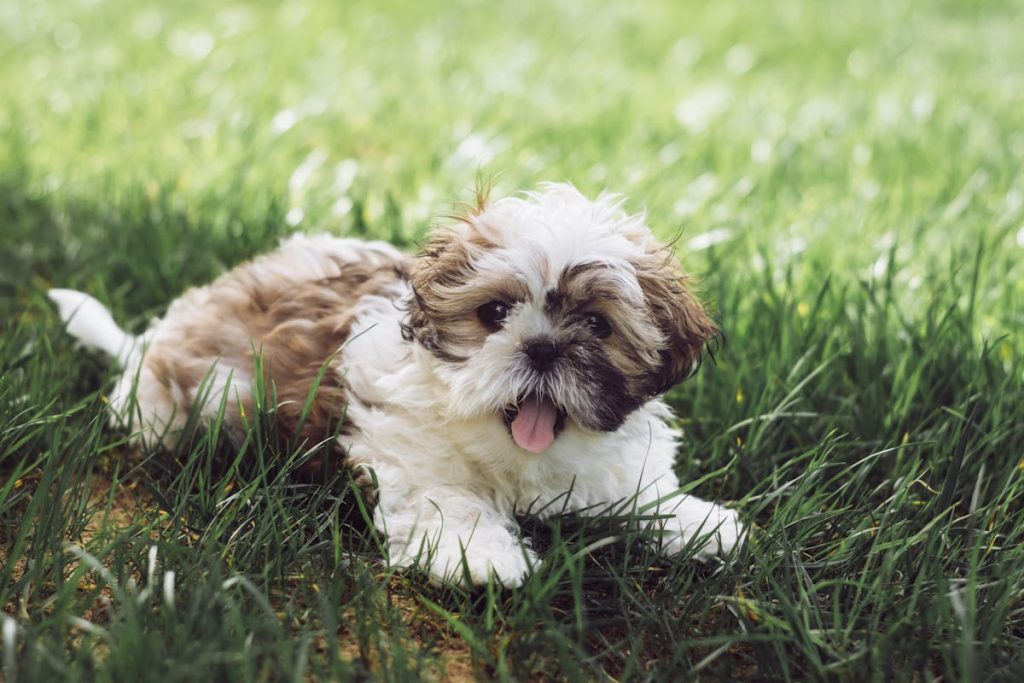
Summer is for sun-drenched adventures, and your playful puppy is probably bouncing off the walls, ready to join in every outdoor activity. While it’s wonderful to bond and burn off that puppy energy, summer heat poses a significant risk: overheating. Puppies are especially vulnerable to heatstroke, making it crucial to choose their playtime activities wisely.

The good news? You don’t have to put playtime on hold! With a little planning and creativity, you can enjoy stimulating and fun outdoor games that keep your puppy cool, safe, and happy.

Your puppy’s desire to play doesn’t diminish with the rising temperatures, but their ability to cool down does. Unlike humans, dogs don’t sweat efficiently through their skin; they primarily rely on panting. This makes them highly susceptible to heat exhaustion and heatstroke, especially during vigorous exercise.

puppy summer fun

Golden Rules for Safe Summer Puppy Play

Before diving into game ideas, always adhere to these vital rules:

  • Timing is Everything: Play only during the coolest parts of the day – early morning (before 9-10 AM) and late evening (after 6-7 PM).

  • Hydration is Non-Negotiable: Always have fresh, cool water readily available. Offer frequent water breaks, even if your puppy doesn’t seem thirsty.

  • Seek Shade: Play exclusively in shaded areas – under trees, awnings, or pop-up canopies. Avoid direct sunlight.

  • Pavement Check: Always test the ground with the back of your hand for 5-7 seconds. If it’s too hot for your hand, it’s too hot for your puppy’s paws. Stick to grass or dirt paths.

  • Listen to Your Puppy: Watch for signs of overheating (excessive panting, lethargy, drooling, wobbly legs). Stop immediately if you see any.

  • Know When to Quit: Short, frequent play sessions are better than one long one. When in doubt, call it quits.

Best Outdoor Games for Safe Summer Fun

Here are some fantastic outdoor games that prioritize your puppy’s safety in the heat:

1. Shady Fetch (The Controlled Version)

Fetch is a puppy classic, but it needs modification for summer.

    • How to Play Safely: Instead of long, vigorous throws across a sunny field, find a large, deeply shaded area (e.g., a backyard with mature trees). Throw the toy short distances, encouraging your puppy to retrieve it and bring it back immediately. Use a soft, lightweight toy that’s easy to pick up.

    • Benefits: Excellent for physical exercise, reinforces “fetch” and “drop it” commands, and builds retrieval drive.

    • Cooling Hack: Use a water-friendly toy that can be soaked in cool water before throwing, or alternate throws with a quick splash in a kiddie pool.

2. Hide and Seek (The Mental Workout)

This game is fantastic for mental stimulation and helps reinforce recall, often requiring less strenuous physical activity.

    • How to Play Safely: This is perfect for a shaded backyard or even a large, cool indoor space. Have your puppy “stay” (or have someone hold them), then hide behind a tree, bush, or outdoor furniture. Call their name enthusiastically. When they find you, reward them with high praise, a treat, and a short, gentle game of tug. Start with easy hides and gradually increase the challenge.

    • Benefits: Boosts mental engagement, improves recall (“come” command), builds confidence, and strengthens your bond.

    • Cooling Hack: Can be played in a cooler basement or air-conditioned room on super hot days, or ensure your hiding spots are always in deep shade.

3. Sprinkler or Kiddie Pool Fun

Supervise water play closely, especially for puppies new to water.

    • How to Play Safely: Set up a low-pressure sprinkler in a grassy, shaded area, or fill a shallow kiddie pool with a few inches of cool (not icy cold) water. Encourage your puppy to splash and play. Never force them into the water.

    • Benefits: Fantastic for cooling down, provides unique sensory enrichment, and can build water confidence.

    • Safety Tip: Always supervise closely. Ensure the water is shallow enough for your puppy to stand comfortably. After playing, towel dry thoroughly, especially in skin folds or around their ears, to prevent skin irritation or ear infections.

4. Scent Games & Treat Hunts

Engage their incredible sense of smell for a low-impact, high-reward activity.

    • How to Play Safely: In a cool, shaded area (or indoors!), hide small, high-value treats (or kibble) around the yard. Start easy, letting your puppy see where you place them. Then, gradually increase the difficulty, hiding them under leaves, behind small rocks, or in shallow bowls. Encourage them to “Find it!”

    • Benefits: Provides immense mental stimulation, taps into their natural instincts, helps burn energy without much physical exertion, and can be a wonderful calming activity.

    • Cooling Hack: Can be done entirely indoors on extremely hot days.

5. Bubble Chase

Lightweight, fun, and can be done without much running.

    • How to Play Safely: Use pet-safe bubbles (available at pet stores) in a shaded area. Blow bubbles for your puppy to chase and “pop.”

    • Benefits: Provides light physical activity, mental engagement, and is incredibly entertaining.

    • Safety Tip: Ensure bubbles are non-toxic and pet-friendly. Limit ingestion of bubble solution.

6. Cool-Down Tug (Controlled)

Tug is a favorite for many puppies, but intensity matters in the heat.

    • How to Play Safely: Use a sturdy tug toy in a cool, shaded spot. Keep tug sessions very short (10-15 seconds), then break for water and rest. Allow your puppy to “win” often to keep them engaged and build confidence.

    • Benefits: Great for reinforcing “drop it” (when you want to end the game), releasing energy, and building a bond.

    • Cooling Hack: Use a wet towel for tug or have a damp rag nearby to wipe them down after a short session.

After the Fun: The Cool Down

Once playtime is over, ensure a proper cool down:

    • Offer fresh, cool water immediately.

    • Guide them to a shaded or air-conditioned spot to rest.

    • Avoid strenuous activity for a while.

By prioritizing your puppy’s safety and choosing appropriate games, you can make this summer a season of joyful, unforgettable adventures for both of you!


Frequently Asked Questions About Summer Puppy Playtime

Here are answers to common questions about keeping your puppy safe and entertained during summer outdoor play:

Q1: What’s the biggest risk for puppies playing outside in summer? 

A1: Overheating and heatstroke. Puppies cannot regulate their body temperature as efficiently as adult dogs or humans, making them highly susceptible to heat-related illnesses during playtime. Hot pavement also poses a significant risk for paw burns.

Q2: What are the absolute “must-dos” before playing with my puppy outside in summer? 

A2: Always check the time of day (avoiding midday), ensure you have fresh, cool water, play only in deep shade, and test the ground temperature with your hand before letting your puppy walk on it.

Q3: My puppy loves to play fetch. How can I make it safe in the summer? 

A3: Play “Shady Fetch.” Keep throws short, play only in a completely shaded area (like under large trees), use lightweight toys, and take frequent water breaks. Avoid intense, long-distance fetch sessions in the heat.

Q4: How can I tell if my puppy is getting too hot during play? A4: Watch for excessive panting (faster and deeper than usual), increased drooling, bright red gums, lethargy or weakness, staggering, or a sudden loss of interest in play. If you see any of these signs, stop play immediately and begin cooling measures.

Q5: Are all water games safe for puppies in summer? A5: Water games like a shallow kiddie pool or sprinkler can be great for cooling, but always supervise closely. Ensure the water is clean and shallow enough for your puppy to stand. Avoid forced swimming or deep bodies of water unless your puppy is a strong, confident swimmer and you are prepared for water safety. Also, make sure they don’t ingest too much water.

Q6: What if my puppy wants to keep playing even when it’s too hot or they’re tired? A6: It’s your responsibility to end the play session. Puppies, especially those with high energy, often don’t know when to stop. Gently redirect them to a cool, shaded resting spot, offer water, and engage them with a quiet, mentally stimulating activity (like a puzzle toy) indoors.

Q7: Can my puppy still go to the dog park in summer? A7: Use extreme caution. Dog parks often lack adequate shade and water, and other dogs might not be managed as carefully. If you go, choose the coolest parts of the day, ensure there’s ample shade and water, and leave immediately if it gets too crowded, too hot, or if other dogs are over-exercising. Short, well-supervised visits are key. Many vets advise avoiding dog parks entirely on hot days.

Q8: What are some good indoor games for puppies on extremely hot summer days? A8: When it’s just too hot for outdoor play, focus on indoor mental stimulation.

    • Puzzle Toys: Fill with treats or kibble.

    • Indoor Hide and Seek: Hide yourself or treats.

    • Tug-of-War: Keep it short and controlled.

    • Training Sessions: Practice new tricks or reinforce commands.

    • Chew Toys: Provide a safe, durable chew.

    • Bubble machine: With pet-safe bubbles.

Q9: What should I do immediately if I suspect my puppy has heatstroke during playtime? A9:

    1. Stop play and move to a cool, shaded area immediately.

    1. Start cooling: Apply lukewarm (not cold or icy) water to their body, especially the belly, armpits, and groin. Use a fan if available.

    1. Offer small amounts of water if they are conscious and can drink.

    1. CALL YOUR VET OR NEAREST EMERGENCY VET IMMEDIATELY. Even if they seem to improve, internal damage can be occurring. Continue cooling measures while en route to the vet.

Cavapoo Puppy Checklist: Essential Advice for New Pet Owners

Bringing a new puppy home is an incredibly exciting time, especially when that puppy is an adorable, fluffy Cavapoo! Known for their affectionate nature, playful spirit, and charming good looks…

Continue Reading

What to Do If Your Dog is Stung by a Bee or Wasp

It’s a common summer scenario: your dog is happily exploring the garden, sniffing around flowers, or perhaps even snapping at a buzzing insect.

Continue Reading

How Do Underlying Health Problems Contribute to Puppy Dry Skin?

Dry, flaky skin on your puppy might seem like a minor issue at first glance—but what if it’s a sign of something deeper? While…

Continue Reading

Sleep Science for Puppies: Why Rest is Crucial for a Happy Pup

Sleep isn’t just a break from playtime—it’s one of the most important parts of a puppy’s development.

Continue Reading
Scroll to top

Breed Notify

This field is hidden when viewing the form
Name(Required)
Yes, I would like to receive marketing messages
By checking this box, you provide express written consent to receive marketing text messages from us at the phone number provided. Message and data rates may apply. Message frequency varies. Reply STOP to opt out at any time. Consent is not a condition of purchase.