Australian Shepherd Pros and Cons: Is This Breed Right for You?
Introduction to Australian Shepherds
Are you considering bringing a new furry friend into your life? Australian Shepherds are among the most popular breeds in the United States. Their energetic, intelligent, and affectionate nature makes them stand out, but they are not for everyone. Understanding the Australian Shepherd pros and cons helps potential owners make informed decisions before adoption.
Why Understanding Pros and Cons Matters Before Adoption
Owning a dog is a long-term commitment. Australian Shepherds live for 12–15 years on average, and their unique needs can overwhelm unprepared owners. Knowing what you’re getting into ensures a happy relationship for both you and your dog.
Australian Shepherd Overview
Breed History and Origins
Australian Shepherds, despite the name, were developed in the United States in the 19th century to herd livestock. They are closely associated with ranches and farm life, excelling in agility and obedience competitions.
Popularity and Typical Owners
This breed appeals to active families, ranchers, and dog enthusiasts who enjoy outdoor activities. Their intelligence and trainability make them excellent working dogs and companions for energetic households.
Physical Characteristics of Australian Shepherds
Size, Coat, and Colors
- Medium-sized dog
- Height: 18–23 inches
- Weight: 40–65 pounds
- Coat: Medium-length, double coat
- Common Colors: Blue merle, red merle, black, red, often with white markings and copper points
Lifespan and Health Overview
Australian Shepherds typically live 12–15 years. They are generally healthy but prone to specific genetic conditions like hip dysplasia and eye disorders.
Personality and Temperament
Intelligence and Trainability
These dogs are highly intelligent and quick learners. They thrive on structured training and mental stimulation. Obedience, agility, and herding competitions come naturally to them.
Social Behavior with Families and Other Pets
Australian Shepherds are loyal, affectionate, and protective of their family. Early socialization ensures they interact well with children and other pets. Without it, they may display herding behaviors like nipping or chasing.
Pros of Owning an Australian Shepherd
High Intelligence and Trainability
These dogs learn commands quickly and excel in advanced training, making them perfect for active owners who enjoy teaching tricks or engaging in dog sports.
Loyalty and Protective Nature
They are naturally devoted to their family and make excellent watchdogs, alerting owners to unusual activity.
Athletic and Energetic Lifestyle Companion
If you love running, hiking, or outdoor activities, Australian Shepherds make energetic and enthusiastic partners.
Cons of Owning an Australian Shepherd
High Energy Levels and Exercise Needs
Without sufficient physical and mental activity, these dogs may become bored, anxious, or destructive. They require daily exercise and interactive play.
Grooming and Shedding Requirements
Their double coat sheds year-round and needs regular brushing to prevent mats and hair buildup. Occasional professional grooming is also recommended.
Potential Behavioral Issues if Bored or Understimulated
Under-stimulated Australian Shepherds may exhibit behaviors like excessive barking, chewing, or herding children and other pets.
Training and Socialization Needs
Early Puppy Training Tips
Start training early with positive reinforcement methods. Short, consistent sessions help prevent behavioral problems later.
Socialization With Kids, Pets, and Strangers
Expose your Australian Shepherd puppy to a variety of people, pets, and environments to ensure a well-rounded adult dog.
Exercise Requirements
Daily Physical Activity Recommendations
At least 1–2 hours of vigorous activity daily is ideal, including walking, running, or agility exercises.
Mental Stimulation and Games
Puzzle toys, obedience training, and interactive games prevent boredom and strengthen the bond between owner and dog.
Health Considerations
Common Health Issues
- Hip and elbow dysplasia
- Eye conditions like cataracts or collie eye anomaly
- Epilepsy in some lines
Preventive Care and Vet Checkups
Regular vet visits, vaccinations, and proper diet reduce health risks. Genetic testing may also be considered when adopting.
Living Environment Considerations
Apartment vs House With Yard
While they can adapt to apartments, Australian Shepherds thrive in homes with space to run and play. A securely fenced yard is ideal.
Adaptability to Urban and Rural Settings
They are adaptable but prefer environments where they can exercise regularly and engage their intelligence.
Cost of Owning an Australian Shepherd
Initial Adoption or Purchase Costs
Adoption costs range from $300–$600, while purebred puppies may cost $800–$2,000 depending on lineage and breeder reputation.
Ongoing Care, Food, and Vet Expenses
Expect monthly expenses for food, grooming, toys, and healthcare to average $100–$150, potentially more for health issues.
Who Should Consider an Australian Shepherd?
- Active individuals or families
- Those willing to invest time in training and socialization
- Owners who enjoy outdoor activities
Who Might Not Be the Best Fit
- Inactive households
- People without time for daily exercise
- Owners seeking a low-maintenance lapdog
Conclusion
Australian Shepherds are intelligent, loyal, and energetic dogs that make excellent companions for active families. They offer incredible rewards for those who meet their physical, mental, and social needs. Understanding the Australian Shepherd pros and cons helps potential owners make informed decisions and ensures a long, happy relationship with this remarkable breed.
FAQs
Are Australian Shepherds good with children?
Yes, with proper socialization, they are affectionate and protective with kids.
Do Australian Shepherds shed a lot?
Yes, their double coat sheds year-round and requires regular brushing.
How much exercise do Australian Shepherds need?
They need at least 1–2 hours of vigorous activity daily.
Are Australian Shepherds easy to train?
Yes, their high intelligence makes them quick learners, but consistency is key.
What are common health issues in Australian Shepherds?
Hip dysplasia, eye disorders, and epilepsy are some common health concerns.
Australian Shepherd Breed Overview: Temperament, Traits & History
The Australian Shepherd is one of the most intelligent, energetic, and versatile dog breeds in the world. Known for its striking appearance, unmatched work ethic, and loyal personality, this breed has become a favorite among active families, dog sports competitors, and ranchers. Whether you’re considering adopting an Australian Shepherd or simply want to learn more, understanding their temperament, traits, and origins will help you appreciate what makes them truly unique.
Introduction to the Australian Shepherd
The Australian Shepherd—often called the “Aussie”—is a medium-sized herding breed famous for its agility, intelligence, and tireless energy. Originally bred for livestock work, they are highly active dogs that thrive when given jobs or mental challenges. Aussies excel in sports, companionship, and service work, making them one of the most versatile breeds today.
History of the Australian Shepherd
Despite its name, the Australian Shepherd was not developed in Australia. Its history is a fascinating blend of cultures and countries.
Origins in Europe
The breed’s ancestors were believed to have originated in the Basque region of Europe. Basque shepherds, known for their exceptional herding skills, developed dogs that were smart and tough enough to handle varied terrain.
Journey to Australia
Basque shepherds later immigrated to Australia, where they continued working with their herding dogs. These imported dogs influenced local herding breeds, contributing to the line that eventually shaped the modern Aussie.
Development in the United States
The breed as we know it today was largely developed in the United States, especially in the western ranching regions. American ranchers refined the breed for:
- Stamina
- Herding excellence
- Intelligence
- Speed and agility
By the mid-20th century, the Australian Shepherd became a star in rodeos, ranch life, and eventually family homes.
Breed Characteristics
Australian Shepherds are distinguished by several physical and personality traits that make them highly desirable yet demanding companions.
Physical Appearance
Aussies are medium-sized and athletic, built for long hours of herding.
Key Physical Traits:
- Weight: 40–65 pounds (males), 35–55 pounds (females)
- Height: 18–23 inches at the shoulder
- Coat: Medium-length, double coat, weather-resistant
- Colors: Blue merle, red merle, black, red—with or without white and tan markings
- Eyes: Brown, blue, amber, or heterochromia (two different colors)
Their coat and eye variations make every Australian Shepherd uniquely beautiful.
Energy Levels
Australian Shepherds are high-energy dogs, bred to work all day. They require significant daily exercise, mental stimulation, and engagement.
Lifespan
Aussies typically live 12–15 years, and with proper care, they remain active and healthy into their senior years.
Temperament of the Australian Shepherd
Australian Shepherds are known for their sharp minds, loyalty, and strong work ethic. Their temperament is often described as:
1. Intelligent and Quick Learners
Aussies are among the smartest dog breeds. They learn commands rapidly and excel in:
- Obedience training
- Agility
- Herding trials
- Trick training
- Search and rescue
Their intelligence, however, means they can become bored easily if not mentally challenged.
2. Loyal and Protective
Aussies form strong bonds with their families. They are naturally protective and alert, making them excellent watchdogs.
3. Energetic and Driven
This breed thrives on physical activity. They enjoy:
- Running
- Hiking
- Frisbee
- Long walks
- Agility courses
A sedentary lifestyle can lead to:
- Anxiety
- Destructive behavior
- Excessive barking
4. Affectionate but Reserved with Strangers
While they are extremely affectionate with their families, Australian Shepherds may be cautious around strangers. Early socialization helps them become confident and adaptable.
5. Strong Herding Instincts
Aussies may naturally try to herd:
- Children
- Other dogs
- Cats
This behavior is instinctual, not aggressive, but training can help manage it.
Common Traits of Australian Shepherds
1. High Intelligence
They solve problems quickly and enjoy tasks that involve thinking and decision-making.
2. Excellent Work Ethic
Aussies are happiest when they have a “job,” whether it’s herding, fetching, or simply following commands.
3. Versatility
They excel in many roles, including:
- Therapy dogs
- Service dogs
- Farm/ranch dogs
- Sports competitors
- Family companions
4. Strong Prey Drive
Some Australian Shepherds may chase small animals. Training and supervision are recommended.
5. Strong Bonding
They prefer to be close to their owners and don’t enjoy long periods of isolation.
Grooming and Care Needs
Coat Maintenance
Australian Shepherds shed year-round and heavily during seasonal changes.
Grooming requirements include:
- Brushing 2–3 times a week
- Occasional baths
- Regular nail trimming
- Ear cleaning
- Coat checks for mats
Exercise Requirements
Aussies need at least 1–2 hours of exercise per day, including both physical and mental activities.
Training Needs
Consistent training starting early is essential.
They thrive with:
- Positive reinforcement
- Puzzle toys
- Structured routines
- Obedience classes
Is an Australian Shepherd Right for You?
An Australian Shepherd is ideal for people who:
✅ Are active or outdoorsy
✅ Enjoy training and interacting with their dog
✅ Want a highly intelligent companion
✅ Can commit time daily to exercise and enrichment
An Aussie may not be ideal if you:
❌ Prefer a low-energy dog
❌ Can’t provide daily mental stimulation
❌ Have limited time for training and play
❌ Live a sedentary lifestyle
Conclusion
The Australian Shepherd is a remarkable breed admired for its intelligence, agility, loyalty, and striking looks. With deep historical roots and a strong herding background, this dog thrives in homes that can match its high-energy lifestyle. If given proper training, exercise, and love, an Australian Shepherd becomes one of the most rewarding companions you could ever have.
FAQs
1. Are Australian Shepherds good family dogs?
Yes, Australian Shepherds are loyal, affectionate, and great with active families who can meet their exercise needs.
2. How much exercise does an Australian Shepherd need?
They require at least 1–2 hours of daily physical and mental activity.
3. Do Australian Shepherds shed a lot?
Yes, they shed year-round and need regular brushing to manage their double coat.
4. Are Australian Shepherds easy to train?
Absolutely. They are highly intelligent and learn quickly with positive reinforcement.
5. What were Australian Shepherds originally bred for?
They were developed in the U.S. for herding livestock and ranch work.
Alaskan Klee Kai Grooming Guide: How to Manage Their Double Coat
If you’ve welcomed an Alaskan Klee Kai into your life, you’ve probably noticed their stunning, fluffy double coat that’s as beautiful as it is high-maintenance. Grooming is not just about keeping your dog looking pretty—it’s vital for their health, comfort, and happiness. This comprehensive guide will walk you through everything you need to know to manage your Klee Kai’s coat like a pro.
Introduction to Alaskan Klee Kai Grooming
Why Grooming is Essential
Grooming does more than make your dog look clean. Regular grooming:
- Prevents matting and tangles
- Reduces shedding around the house
- Keeps skin healthy
- Allows early detection of lumps, infections, or parasites
Understanding the Double Coat
The Alaskan Klee Kai has two layers:
- Undercoat: Soft, dense layer that insulates your dog
- Topcoat: Coarser, water-resistant layer that protects against dirt and moisture
Knowing the difference is key for proper brushing, bathing, and maintenance.
Alaskan Klee Kai Coat Types and Colors
Coat Variations
Klee Kais come in three sizes (Toy, Miniature, Standard) and their coats vary slightly:
- Plush, medium-length fur
- Thick undercoat with softer topcoat
- Fur that stands off the body slightly
Common Colors
Popular colors include:
- Black & White
- Gray & White
- Red & White
- Sable & White
Understanding their coat type and color helps choose the right grooming tools.
Tools You Need for Grooming
Brushes and Combs
- Slicker brush: Removes loose fur and tangles
- Pin brush: Smooths the topcoat
- Comb: Ideal for finishing and removing small mats
Deshedding Tools
- Undercoat rake: Removes dead undercoat without damaging topcoat
- Furminator: Helps during seasonal shedding
Nail Clippers and Ear Cleaning Supplies
- Guillotine-style clippers or grinder
- Dog-safe ear cleaner
- Cotton balls for gentle cleaning
Brushing Your Alaskan Klee Kai
How Often to Brush
- Daily: During heavy shedding season
- 2–3 times a week: Most of the year
Step-by-Step Brushing Guide
- Start with a slicker brush on the topcoat
- Use an undercoat rake for the dense undercoat
- Finish with a comb to remove remaining tangles
Tips to Reduce Shedding
- Brush before bath to remove loose hair
- Use a deshedding tool on calm days
- Maintain a balanced diet to reduce hair breakage
Bathing Your Klee Kai
Recommended Bathing Frequency
- Every 6–8 weeks is ideal
- Overbathing can strip natural oils
Choosing the Right Shampoo
- Hypoallergenic or gentle dog shampoo
- Avoid human shampoo; it can dry out their skin
Drying Techniques for Double Coats
- Pat dry with a towel first
- Use a blow dryer on low heat, brushing while drying
- Never leave wet undercoat; it can cause mats or skin irritation
Nail Trimming and Paw Care
How to Trim Nails Safely
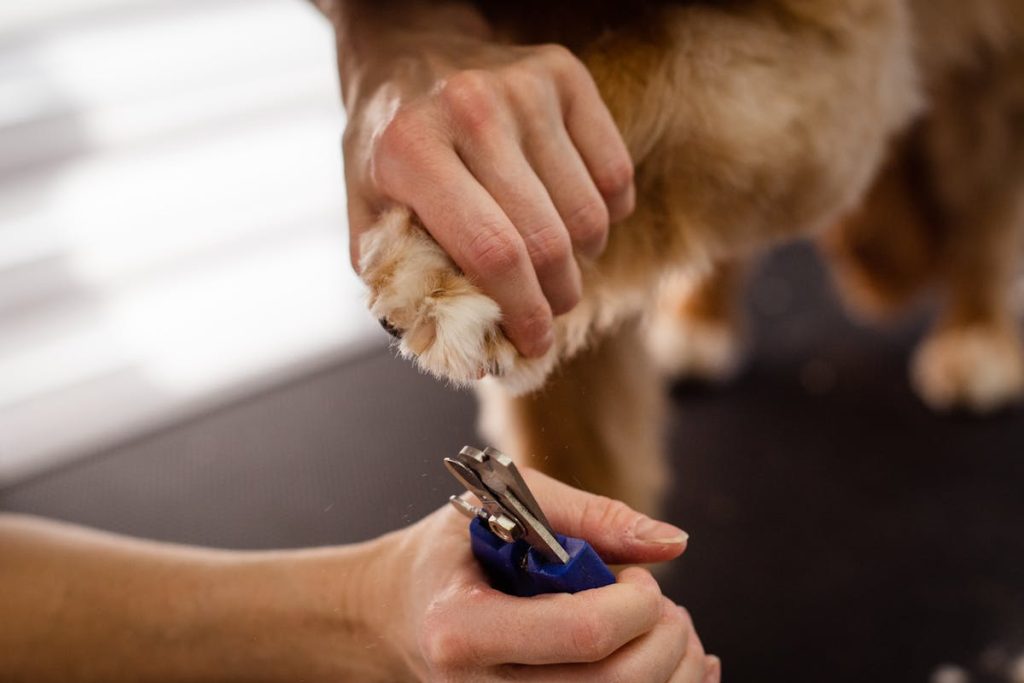
- Trim every 3–4 weeks
- Avoid cutting the quick (pink part inside)
- Use a nail grinder for smoother results
Paw Pads Maintenance
- Check pads for cracks or debris
- Apply dog-safe balm in winter to prevent dryness
Ear and Dental Care
Cleaning Ears Properly
- Use a dog-safe solution
- Clean weekly or after outdoor activities
- Avoid pushing deep into the ear canal
Maintaining Dental Health
- Brush teeth 2–3 times weekly
- Provide dental chews or toys
- Regular vet check-ups for oral hygiene
Dealing with Shedding
Seasonal Shedding Patterns
- Heavy shedding in spring and fall
- Undercoat comes out in clumps, requiring daily brushing
Reducing Hair Around the House
- Use deshedding tools
- Vacuum frequently
- Cover furniture during peak shedding
Grooming Challenges and Solutions
Matted Fur
- Use a detangling spray and comb out carefully
- Never cut mats close to the skin
Sensitive Skin Issues
- Choose gentle shampoos
- Avoid over-bathing
- Watch for redness or irritation
Grooming Fear and Anxiety
- Start grooming early
- Keep sessions short and positive
- Reward with treats and praise
Professional Grooming vs At-Home Grooming
When to Visit a Groomer
- Mats that are hard to remove
- Seasonal heavy shedding
- Nail trimming if uncomfortable at home
Benefits of At-Home Grooming
- Strengthens bond with your dog
- Regular monitoring of skin, coat, and health
- Cost-effective
Diet and Coat Health
Foods that Promote a Healthy Coat
- High-quality protein (chicken, fish)
- Omega-3 fatty acids (salmon, flaxseed)
- Vitamins A, E, and biotin
Supplements for Shedding Control
- Fish oil or omega supplements
- Only under vet guidance
Exercise and Coat Maintenance
Outdoor Activities and Coat Condition
- Brushing after walks removes dirt
- Short daily walks prevent excessive tangling
Avoiding Excessive Dirt and Debris
- Use a coat rinse after outdoor activities
- Wipe paws and legs before entering the house
Grooming Routine Checklist
Daily Grooming Tasks
- Brush lightly to remove loose hair
- Wipe paws and ears
Weekly Grooming Tasks
- Full brushing with undercoat rake
- Check nails, ears, and teeth
Monthly Grooming Tasks
- Bath with gentle shampoo
- Nail trimming
- Inspect skin and coat thoroughly
Conclusion
Grooming your Alaskan Klee Kai doesn’t have to be overwhelming. By understanding their double coat, following a consistent routine, and using the right tools, you can keep your Klee Kai healthy, comfortable, and looking stunning. Regular grooming strengthens your bond while ensuring your furry friend thrives both inside and out.
FAQs
1. How often should I brush my Alaskan Klee Kai?
At least 2–3 times a week, daily during heavy shedding seasons.
2. Can I bathe my Klee Kai every month?
Every 6–8 weeks is ideal to avoid stripping natural oils.
3. How do I prevent mats in their double coat?
Regular brushing, detangling sprays, and quick attention to tangles prevent matting.
4. Are professional groomers necessary for Klee Kais?
Not always, but for heavy mats, nail trimming, or first-time owners, it can help.
5. What foods help reduce shedding?
High-quality protein and omega-3 fatty acids improve coat health and reduce excessive shedding.
French Bulldog Dental Care: Keep That Smile Healthy
French Bulldogs may be small, but their charming smiles need big attention! Dental care often gets overlooked, yet it plays a massive role in keeping your Frenchie healthy and happy. Poor oral hygiene can lead to gum disease, infections, and even heart problems — so let’s explore how to keep those tiny teeth sparkling clean.
Understanding French Bulldog Dental Health
French Bulldogs are more prone to dental problems than many breeds because of their short snouts and crowded teeth. Their compact jaws leave less space for proper alignment, which means plaque and food particles can easily get trapped.
Dental problems don’t just affect the mouth — bacteria from gum infections can travel through the bloodstream and impact your dog’s heart, liver, and kidneys. That’s why routine dental care is essential.
Common Dental Problems in French Bulldogs
Tartar and Plaque Buildup
Plaque is a sticky film that forms after eating. If not brushed away, it hardens into tartar and can lead to gum inflammation.
Gum Disease (Gingivitis)
Red, swollen gums are early signs of gingivitis. If left untreated, it can progress into periodontal disease, which causes pain and tooth loss.
Tooth Decay and Bad Breath
Foul breath is a warning sign that bacteria are multiplying. Decay can lead to abscesses and chronic discomfort.
Tooth Loss
Loose teeth or bleeding gums are serious signs your Frenchie needs dental attention immediately.
Daily Dental Care Routine
Brushing your French Bulldog’s teeth daily (or at least 3–4 times a week) is the best defense against dental disease.
Choosing the Right Toothbrush and Toothpaste
Use a soft-bristled toothbrush or a finger brush made for dogs. Always use dog-safe toothpaste — never human toothpaste, as it can be toxic.
Step-by-Step Brushing Guide
- Start slowly by letting your Frenchie sniff and lick the brush.
- Gently lift the lips and brush in circular motions.
- Focus on the outer surfaces where plaque builds up.
- Reward them afterward with a treat or praise!
How Often to Brush
Aim for daily brushing, but even a few times per week can make a big difference.
Dental-Friendly Diet and Chews
Diet plays a major role in dental health. Choose dry kibble or dental diets that help scrape plaque from teeth.
Safe Chews and Toys
Opt for rubber dental toys, nylon chews, or rawhide alternatives approved by vets. These encourage natural chewing and saliva production.
Foods to Avoid
Avoid sticky or sugary treats, bones that splinter, and human food scraps.
Professional Dental Cleaning
Even with an excellent home brushing routine, professional dental cleanings are vital for maintaining your French Bulldog’s oral health. They help remove buildup that home care can’t reach and prevent serious dental diseases.
When to Visit the Vet
Your veterinarian should examine your Frenchie’s teeth and gums during every annual checkup. Regular vet visits help identify early signs of dental issues before they become painful or costly to treat.
What Happens During Cleaning
During a professional cleaning, your vet will place your dog under anesthesia to perform a deep cleaning. This process includes removing plaque and tartar from both above and below the gumline and polishing the teeth for a smooth finish.
How Often
Most French Bulldogs benefit from professional dental cleaning about once a year. However, your vet may recommend more frequent visits if your dog is prone to plaque buildup or other dental problems.
Signs Your French Bulldog Needs Dental Care
Keep an eye out for these warning signs:
- Persistent bad breath
- Drooling or pawing at the mouth
- Bleeding gums
- Loss of appetite or difficulty chewing
If you notice these, schedule a vet visit right away.
Home Remedies and Preventive Tips
You can boost dental health with simple add-ons:
- Dental water additives: Fight bacteria with every sip.
- Dental sprays: Freshen breath and kill odor-causing bacteria.
- Coconut oil: Some owners use it for natural cleaning (in moderation).
Training Your French Bulldog for Dental Care
Start dental care early — even as a puppy!
Use gentle introductions and positive reinforcement. Make brushing feel like a bonding activity rather than a chore.
Reward calm behavior with affection or small treats to help your pup associate brushing with fun.
Senior French Bulldog Dental Care
Older Frenchies often experience tooth loss or gum sensitivity. Soft food or soaked kibble can make eating easier. Regular vet checkups become even more critical in senior years.
Benefits of Consistent Dental Care
- Prevents infections and tooth loss
- Improves overall health and breath
- Saves money on costly vet treatments
- Keeps your French Bulldog comfortable and pain-free
Conclusion
A healthy mouth means a happy Frenchie! By brushing regularly, feeding wisely, and scheduling vet cleanings, you’ll protect your dog from pain and disease — and keep that adorable smile shining for years to come.
FAQs
1. How often should I brush my French Bulldog’s teeth?
Ideally every day, but at least three times a week for good results.
2. Can I use human toothpaste for my Frenchie?
No, it’s toxic. Always use dog-safe toothpaste.
3. What are signs my French Bulldog has dental pain?
Bad breath, difficulty chewing, drooling, or avoiding food.
4. Are dental treats enough for oral hygiene?
They help, but brushing is still necessary.
5. How often should I get professional cleaning?
Once a year or as recommended by your vet based on your dog’s oral health.
Best Exercises to Keep Your Rottweiler Fit and Happy
Rottweilers are strong, loyal, and energetic dogs that thrive on physical activity and mental stimulation. As a working breed, they need consistent exercise to stay fit, happy, and well-behaved. Without enough activity, a Rottweiler can become bored, anxious, or even destructive.
In this guide, we’ll cover the best exercises for Rottweilers, how much activity they need daily, and tips to keep your Rottie both physically and mentally balanced.
Why Exercise Is Essential for Your Rottweiler
Rottweilers are natural athletes with muscular builds and high stamina. Regular exercise provides several key benefits:
- Maintains Healthy Weight: Prevents obesity and related issues like hip dysplasia or joint problems.
- Supports Mental Health: Reduces boredom and anxiety.
- Improves Behavior: A tired Rottie is a well-behaved Rottie.
- Strengthens Bond: Exercise is a great way to build trust and companionship.
- Boosts Lifespan: Active dogs live healthier and longer lives.
How Much Exercise Does a Rottweiler Need?
A healthy adult Rottweiler typically requires at least 1.5 to 2 hours of exercise daily.
This can be broken into two sessions—morning and evening—to prevent exhaustion, especially in warmer climates.
Puppies and senior Rottweilers should have shorter, low-impact sessions appropriate for their age and health.
Top Exercises to Keep Your Rottweiler Fit and Happy
1. Daily Walks
Walks are the foundation of any dog’s fitness routine.
- Aim for at least 45–60 minutes per walk.
- Change routes to keep things interesting.
- Use the walk to practice leash manners and obedience.
Tip: Avoid walking on hot pavements during summer — Rottweilers can easily overheat due to their thick coat.
2. Running and Jogging
If you’re a runner, your Rottie can be your perfect workout partner.
- Start with short runs and build endurance gradually.
- Avoid running on hard surfaces for long distances to protect joints.
- Always bring water and take rest breaks.
Best for: Adult Rottweilers (12+ months) with developed bones and joints.
3. Fetch and Retrieval Games
Fetch is not just fun—it’s an excellent cardio workout.
- Use a ball, frisbee, or rope toy.
- Play in a fenced yard or open park.
- Teach “drop it” or “leave it” to make the game interactive and safe.
Variation: Try using different textures or squeaky toys to keep your Rottweiler excited.
4. Swimming
Rottweilers are surprisingly good swimmers!
- Swimming provides a low-impact, full-body workout.
- It strengthens muscles without stressing joints.
- Great for cooling off during hot days.
Safety Tip: Always supervise swimming sessions and avoid deep or fast-moving water.
5. Agility Training
Rottweilers love a challenge.
Agility courses combine both mental and physical stimulation.
Set up simple obstacles like tunnels, jumps, and weave poles.
Benefits:
- Improves coordination and focus
- Enhances obedience
- Builds confidence
You can even enroll your Rottie in local agility or obedience classes for structured training.
6. Tug of War
This classic game helps build muscle strength and control.
- Use a sturdy tug rope.
- Teach “take it” and “release” commands.
- Keep it playful—never aggressive.
Note: Great indoor activity for rainy days.
7. Hiking Adventures
Take your Rottweiler on nature hikes!
- Explore forest trails, hills, or countryside paths.
- It challenges their senses with new smells and sounds.
- Helps them burn energy while enjoying mental enrichment.
Always carry a leash, water, and snacks for longer treks.
Mental Exercises for a Happy Rottweiler
Rottweilers are intelligent and need mental workouts too.
Try these brain-boosting activities:
- Puzzle Toys: Stimulate problem-solving.
- Hide-and-Seek: Hide treats or toys for your Rottie to find.
- Obedience Training: Reinforces commands and focus.
- Interactive Feeders: Make mealtime fun and engaging.
Mental stimulation keeps your Rottie calm and prevents destructive behaviors.
Exercise Safety Tips for Rottweilers
To keep your Rottweiler safe during workouts:
- Always warm up before intense play or running
- Avoid exercising during extreme heat
- Keep your dog hydrated
- Watch for signs of fatigue or overheating (excessive panting, drooling, or slowing down)
- Consult your vet before starting a new exercise routine
Adapting Exercises for Puppies and Seniors
- Puppies (under 1 year): Avoid high-impact exercises; focus on short walks and playtime.
- Senior Rottweilers: Go for gentle walks, light swims, or mental games to maintain mobility and engagement.
Remember—overexercising a puppy can damage developing joints, while seniors need activities that support flexibility and comfort.
Conclusion
Keeping your Rottweiler fit and happy requires a mix of physical activity and mental engagement.
From daily walks and swimming to brain puzzles and obedience games, the key is consistency and variety.
A well-exercised Rottweiler is not only healthier but also calmer, more obedient, and emotionally balanced. So grab that leash, head outdoors, and start strengthening your bond with your loyal companion today!
FAQs
1. How much exercise does a Rottweiler need daily?
About 1.5 to 2 hours of exercise every day is ideal for an adult Rottweiler.
2. What are the best exercises for Rottweilers?
Walks, fetch, running, swimming, and agility training are great for Rottweilers.
3. Can Rottweilers go running?
Yes, adult Rottweilers love running—just start slow and avoid hot weather.
4. Is swimming good for Rottweilers?
Yes, swimming is a safe, full-body workout that’s gentle on their joints.
5. What if my Rottweiler doesn’t get enough exercise?
They may become bored, gain weight, or show destructive behavior.
6. Can I exercise my Rottweiler indoors?
Yes—play tug of war, hide-and-seek, or use puzzle toys for mental activity.
How to Care for a Doberman Pinscher: A Complete Owner’s Guide
Introduction to the Doberman Pinscher
The Doberman Pinscher is one of the most intelligent, loyal, and protective dog breeds in the world. Known for their athletic build and fearless nature, Dobermans make exceptional family companions and watchdogs when properly trained and cared for. However, their strength and energy mean they need an owner who understands their needs and lifestyle.
Understanding the Doberman’s Personality and Temperament
Dobermans are often misunderstood due to their intimidating looks, but beneath that sleek exterior lies a heart full of devotion.
Why Dobermans Are Known for Their Loyalty
These dogs are bred for protection, which makes them naturally loyal and affectionate toward their family. They form strong bonds and are happiest when included in daily family life.
Are Dobermans Good Family Dogs?
Absolutely! With the right training and socialization, Dobermans are gentle with children and protective of their loved ones. They thrive on companionship and love being active participants in household activities.
Preparing Your Home for a Doberman
Space and Comfort Needs
Dobermans need space to stretch, play, and move freely. While they can adapt to apartment living, daily walks and outdoor playtime are essential to prevent boredom and anxiety.
Safety and Training Equipment
Before bringing your Doberman home, invest in a secure collar, leash, and a comfortable bed. Also, consider baby gates or fences if you have a yard — Dobermans are strong and fast, so safety is key.
Nutrition and Diet for a Healthy Doberman
Recommended Diet Plan
A balanced diet is essential for a Doberman’s health and muscle maintenance. High-quality dog food rich in lean protein, healthy fats, and complex carbohydrates works best. Choose foods that contain real meat, brown rice, and omega fatty acids for coat health.
Foods to Avoid
Avoid foods like chocolate, onions, grapes, and anything high in salt or sugar. Also, steer clear of low-quality kibble with fillers like corn or soy — they can cause digestive issues and allergies.
Feeding Schedule by Age
- Puppies (2–6 months): 3–4 small meals daily
- Adults (6 months–6 years): 2 meals daily
- Seniors (7+ years): 2 smaller, easily digestible meals daily
Exercise Requirements and Energy Levels
Daily Physical Activities
Dobermans are energetic and athletic. They need at least 60–90 minutes of exercise each day, including walks, runs, and play sessions. Without enough activity, they can become restless or destructive.
Mental Stimulation for Dobermans
Keep their sharp minds active with puzzle toys, obedience games, and agility training. A bored Doberman can quickly find “creative” (and often destructive) ways to entertain themselves!
Grooming and Coat Care
Brushing and Bathing Routine
Dobermans have a short, sleek coat that’s easy to maintain. Brush them once a week to remove loose hairs and bathe every 4–6 weeks using a gentle dog shampoo to keep their coat shiny.
Nail, Teeth, and Ear Care
Trim their nails regularly to prevent overgrowth. Clean their ears weekly to avoid infections and brush their teeth at least three times a week to maintain oral health.
Training and Socialization Tips
Obedience Training Basics
Dobermans respond well to positive reinforcement — use treats, praise, and consistency. Start obedience training early to teach commands like sit, stay, and come.
How to Socialize a Doberman Early
Expose your Doberman puppy to different environments, people, and other dogs early on. This helps them grow into well-adjusted, confident adults.
Common Health Problems in Dobermans
Heart Conditions
Dobermans are prone to dilated cardiomyopathy (DCM), a condition that affects the heart muscles. Regular checkups and early detection can help manage this condition effectively.
Hip Dysplasia and Joint Issues
Joint health is another concern. Maintaining a healthy weight and giving joint supplements can help prevent or manage hip dysplasia.
Skin and Allergy Problems
Because of their short coat, Dobermans can suffer from skin dryness or allergies. Omega-3 supplements and hypoallergenic shampoos can help.
Preventive Health Care and Vet Visits
Vaccination and Deworming
Keep your Doberman’s vaccination schedule updated. Regular deworming and flea treatments are also essential to keep them parasite-free.
Annual Checkups and Early Detection
Schedule annual vet visits for complete health exams, including bloodwork and heart screenings. Early detection can make all the difference in long-term health.
Creating a Safe and Happy Environment
Managing Separation Anxiety
Dobermans are extremely loyal and dislike being left alone for long periods. Provide mental stimulation, toys, and comfort to reduce anxiety.
Home Safety Tips
Keep harmful chemicals, small objects, and electrical cords out of reach. A safe environment ensures a worry-free life for both you and your dog.
Caring for a Senior Doberman
Adjusting Diet and Exercise
As Dobermans age, they become less active. Switch to senior dog food with joint-supporting ingredients and reduce the intensity of exercise while maintaining regular movement.
Comfort and Joint Support
Provide soft bedding, easy access to food and water, and gentle massages to keep your senior Doberman comfortable and mobile.
Final Thoughts
Caring for a Doberman Pinscher is a rewarding experience. These intelligent, loyal dogs give their all to their families — and they deserve the same in return. With the right care, training, and love, your Doberman will remain a healthy, devoted companion for years to come.
FAQs
1. How often should I bathe my Doberman Pinscher?
Every 4–6 weeks is ideal, unless they get dirty sooner.
2. What’s the best food for Doberman Pinschers?
High-protein dog food with real meat and omega fatty acids supports muscle and coat health.
3. How much exercise does a Doberman need daily?
At least 60–90 minutes of physical and mental activity each day.
4. Are Dobermans good with children?
Yes, with proper training and supervision, Dobermans can be gentle and protective family pets.
5. What health issues should I watch for?
Heart problems, hip dysplasia, and skin allergies are the most common in this breed.
Pomeranian Nutrition: Best Foods for a Healthy, Happy Pup
Introduction
Pomeranians may be small in size, but their nutritional needs are anything but tiny. Choosing the right food plays a huge role in their energy, coat quality, and long-term health. In this guide, we’ll explore the best foods, portion sizes, and diet tips to keep your Pom happy and thriving.
Why Nutrition Matters for Pomeranians
Nutrition directly affects your Pomeranian’s life expectancy and overall health. A poor diet can lead to obesity, dental issues, and even joint stress. Sadly, many owners unintentionally overfeed or give foods that aren’t suitable for this toy breed. A balanced diet ensures your pup stays active, playful, and disease-free.
Understanding Pomeranian Dietary Needs
Because Pomeranians are toy-sized dogs, their metabolism runs faster than larger breeds. They burn calories quickly, meaning they need nutrient-dense meals rather than empty fillers.
- Puppies: Require more calories for growth.
- Adults: Need steady energy without excess calories.
- Seniors: Often need fewer calories but more fiber for digestion.
Essential Nutrients for Pomeranians
Protein
High-quality protein helps maintain muscle and supports growth. Look for chicken, turkey, beef, or fish as the first ingredient in commercial foods.
Fats
Healthy fats like omega-3 and omega-6 improve coat shine and skin health. Salmon oil and flaxseed are excellent sources.
Carbohydrates
Carbs provide energy, but too many can lead to weight gain. Choose whole grains like brown rice or sweet potatoes.
Vitamins and Minerals
Calcium, phosphorus, and vitamins A, D, and E are essential for bone, vision, and immune support.
Water Intake
Hydration is often overlooked. A Pomeranian should always have access to fresh water to prevent dehydration.
Best Commercial Foods for Pomeranians
Dry Kibble
Small-bite kibble is perfect for their tiny mouths. Choose brands with real meat as the main ingredient.
Wet Food
Great for picky eaters, wet food provides hydration and a softer texture.
Freeze-Dried and Raw Options
These are nutrient-rich, though often more expensive. Always buy from trusted brands to avoid contamination.
Grain-Free vs. Grain-Inclusive Diets
Grain-free diets are popular, but many Pomeranians do well on balanced grain-inclusive foods. Only switch if your pup has allergies.
Homemade Food Options
Safe Ingredients
Lean meats, carrots, peas, spinach, rice, and pumpkin are all safe for Poms.
Sample Homemade Meal Idea
- Cooked chicken breast
- Brown rice
- Steamed peas and carrots
- A drizzle of salmon oil
Foods to Avoid
Never feed onions, garlic, chocolate, grapes, or xylitol—they are toxic to dogs.
Portion Sizes and Feeding Frequency
- Puppies: 3–4 small meals per day
- Adults: 2 meals per day
- Seniors: Smaller, frequent meals with easy-to-digest foods
Overfeeding leads to weight problems, which is dangerous for a small breed like the Pomeranian.
Special Diet Considerations
Allergies and Sensitivities
Some Poms are allergic to chicken or grains. Switch to fish or lamb formulas if needed.
Weight Management
Low-calorie foods help overweight Pomeranians slim down without losing energy.
Dental Health Diets
Since Poms are prone to dental issues, kibble that scrubs teeth is helpful.
Treats and Snacks
Healthy treats like apple slices, carrots, or dental chews are great in moderation. Keep treats under 10% of their daily calorie intake.
Supplements for Pomeranians
Not all dogs need supplements, but fish oil, glucosamine, and probiotics can benefit coat, joints, and digestion.
Hydration and Water Needs
Poms may not drink much water naturally. Add a splash of low-sodium broth to encourage hydration.
Signs of Poor Nutrition in Pomeranians
Watch out for dull coats, itchy skin, low energy, or frequent stomach upset. These are red flags that their diet may not be working.
Tips for Transitioning to a New Diet
Switch food slowly over 7–10 days to prevent diarrhea. Start with 25% new food, then gradually increase.
Common Myths About Pomeranian Diets
- Myth: “Grain-free is always better.”
- Fact: Some Poms thrive on grains; allergies are individual.
- Myth: “Raw diets are safest.”
- Fact: Raw food can be risky if not handled properly.
Conclusion
Feeding your Pomeranian isn’t about choosing the fanciest food—it’s about balance. Whether you go with high-quality kibble, wet food, or homemade meals, what matters most is portion control, safe ingredients, and meeting their nutritional needs. A well-fed Pom is a happy, energetic companion that will bring joy for years to come.
FAQs
1. How many times a day should I feed my Pomeranian?
Puppies need 3–4 meals daily, while adults do well with 2 meals.
2. Can Pomeranians eat homemade food only?
Yes, but meals must be balanced with protein, carbs, and vitamins.
3. What’s the best food for Pomeranians with allergies?
Limited-ingredient diets with lamb or fish are good options.
4. How much should a Pomeranian eat daily?
Usually ¼ to ½ cup of food, depending on age and activity.
5. Are supplements necessary for Pomeranians?
Not always, but omega oils and probiotics can boost health.
Best Diet and Nutrition Plan for Your Morkie
Introduction to Morkie Diet Needs
Morkies may be small in size, but when it comes to diet and nutrition, they need big attention. A crossbreed between the Maltese and the Yorkshire Terrier, Morkies are energetic, affectionate, and playful companions. Their diet plays a huge role in keeping their energy levels stable, their coats shiny, and their overall health in check. In this guide, we’ll explore the best diet and nutrition plan for your Morkie, ensuring your little buddy gets all the nourishment needed for a long and happy life.
Understanding the Morkie Breed
Morkie’s Size and Energy Level
Morkies usually weigh between 4–12 pounds, making them tiny toy-sized pups. But don’t let their size fool you—they are bundles of energy and curiosity. Because of their high activity level, they need nutrient-rich meals to fuel their bodies without overfeeding.
Why Nutrition Matters for Morkies
A proper diet impacts more than just your Morkie’s energy. It strengthens immunity, maintains a healthy coat, supports dental health, and helps prevent obesity—a common issue in small breeds.
Key Nutritional Requirements of a Morkie
Protein for Growth and Muscle Health
Protein is the building block of your Morkie’s body. It aids in growth, muscle repair, and overall development. Look for high-quality sources like chicken, turkey, fish, or lamb.
Healthy Fats for Energy and Coat Shine
Omega-3 and Omega-6 fatty acids are essential for brain function and that silky Morkie coat. Fish oil and flaxseed are excellent sources.
Carbohydrates for Fuel
Complex carbs like brown rice, oatmeal, or sweet potatoes provide steady energy, helping your Morkie stay active without sudden sugar spikes.
Vitamins and Minerals
Calcium, magnesium, zinc, and vitamins A, D, and E keep bones strong, vision sharp, and the immune system functioning properly.
Hydration and Water Needs
Like all dogs, Morkies should always have access to fresh, clean water. Hydration helps with digestion and body temperature regulation.
Types of Food for Morkies
Dry Kibble
Convenient and affordable, kibble helps maintain dental health by reducing plaque. Choose small-breed formulas for easier chewing.
Wet Food
Wet food is palatable and hydrating but can be pricier and less effective for dental care.
Raw Food Diet
Some owners prefer raw feeding (BARF diet). It can provide fresh nutrients but requires careful balance and vet guidance.
Homemade Meals
Cooking at home ensures control over ingredients. Lean meats, vegetables, and grains can be included, but meals must be well-balanced to avoid deficiencies.
Best Foods for Morkies
Recommended Commercial Dog Foods
Look for small-breed formulas from trusted brands that list real meat as the first ingredient. Grain-free or limited-ingredient diets can also work for sensitive Morkies.
Safe Homemade Ingredients
Chicken breast, salmon, turkey, brown rice, carrots, pumpkin, and green beans are safe and nutritious choices.
Treats and Snacks
Healthy treats like apple slices (seedless), blueberries, or baby carrots are excellent rewards without unnecessary calories.
Foods to Avoid in a Morkie’s Diet
Avoid chocolate, grapes, raisins, onions, garlic, caffeine, alcohol, and fatty or fried foods. These are toxic or dangerous for Morkies.
Feeding Guidelines by Age
Morkie Puppies
Puppies need protein-rich meals three to four times daily to support rapid growth.
Adult Morkies
Adults should eat two to three small meals a day, with balanced nutrients to sustain energy.
Senior Morkies
Older Morkies need lower-calorie diets with added joint supplements to maintain mobility.
Special Dietary Considerations
Allergies and Sensitive Stomachs
Morkies can be prone to food allergies. If you notice itching, ear infections, or digestive issues, consult a vet about switching to hypoallergenic food.
Weight Management
Because of their small size, even slight weight gain is significant. Avoid overfeeding and keep treats limited.
Dental Health and Food Choices
Dry kibble and dental chews help reduce tartar buildup. Regular brushing is still essential.
Sample Daily Meal Plan for Morkies
- Breakfast: ¼ cup small-breed dry kibble mixed with boiled chicken
- Lunch (optional for puppies): Wet food with sweet potato
- Dinner: Salmon with brown rice and steamed veggies
- Snack/Treats: Blueberries or carrot sticks
Tips for Feeding a Picky Morkie
- Mix dry and wet food for variety
- Warm food slightly to enhance aroma
- Rotate protein sources weekly
- Use healthy toppers like pumpkin puree
Transitioning Your Morkie to a New Diet
Switch foods gradually over 7–10 days by mixing small amounts of new food with the old. This helps prevent stomach upset and ensures smoother acceptance.
Conclusion
Feeding your Morkie the right diet means more than filling their bowl—it’s about investing in their long-term health, energy, and happiness. With the right balance of protein, healthy fats, vitamins, and safe ingredients, your Morkie can thrive at every life stage. Always consult your vet before making major diet changes, especially if your pup has allergies or sensitivities.
FAQs
1. Can Morkies eat eggs?
Yes! Cooked eggs are a great source of protein and safe for Morkies in moderation.
2. How often should I feed my Morkie puppy?
Three to four small meals per day until they transition to adult feeding schedules.
3. Are Morkies prone to obesity?
Yes, due to their small size, even small weight gains matter. Portion control is key.
4. Can Morkies eat grain-free food?
Yes, but consult your vet to ensure balanced nutrition and avoid deficiencies.
5. Should I give my Morkie supplements?
Omega-3, probiotics, or joint supplements may help, but always seek veterinary advice first.
Shih Tzu Training Tips: Raising a Well-Behaved Pup
Introduction
Shih Tzus are tiny bundles of joy, famous for their affectionate nature and royal looks. But don’t let their size fool you these pups can be quite stubborn if not trained properly. Training your Shih Tzu is more than teaching commands; it’s about shaping them into a well-behaved, happy companion. Let’s dive into some practical Shih Tzu training tips to help you raise a polite pup.
Understanding the Shih Tzu Personality
Shih Tzus are known for their sweet, loving, and loyal personalities. They adore being around people and thrive in family environments. However, their playful, independent streak can sometimes make training a little tricky. Knowing this helps you adjust your training approach to suit their temperament.
When to Start Training Your Shih Tzu
The best time to start training is when your pup is between 8 to 12 weeks old. At this stage, they are eager to learn and adapt. Early training builds good habits that last a lifetime. Don’t worry if your Shih Tzu is older you can still teach them new behaviors with patience.
House Training a Shih Tzu
Potty training is one of the first challenges. Start by creating a routine take your Shih Tzu outside after meals, naps, and playtime. Use praise and treats when they do their business in the right spot. Avoid punishment; it only confuses them. Consistency and patience are your best tools here.
Basic Commands Every Shih Tzu Should Know
Every pup should know essential commands like sit, stay, come, and down. These commands not only make life easier but also keep your dog safe. Use short training sessions, and reward good behavior with treats and cuddles.
Socialization Matters
Shih Tzus need proper socialization to grow into confident, friendly dogs. Expose them to different people, pets, and environments. This helps prevent shyness, fear, or aggressive tendencies. Socialization also makes vet visits and grooming much smoother.
Leash Training Your Shih Tzu
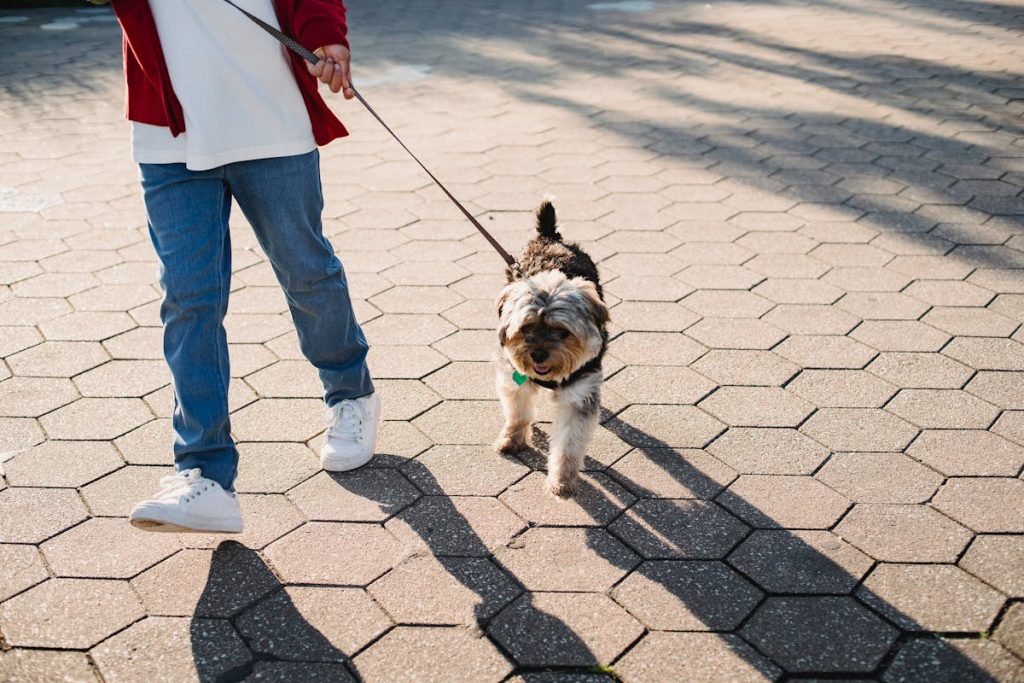
Walking your Shih Tzu should be a joy, not a tug-of-war. Start indoors by letting them wear the leash to get used to it. Encourage walking beside you with treats and gentle guidance. Never yank the leash; patience and positive reinforcement work best.
Crate Training for Comfort and Safety
Crate training is not about punishment—it’s about giving your Shih Tzu a safe, cozy space. Place soft bedding and toys inside. Gradually increase the time your pup spends in the crate, making it a positive experience. This also helps with potty training and prevents destructive behavior.
Addressing Barking Behavior
Shih Tzus can be vocal, especially when bored or seeking attention. To reduce barking, identify the trigger. Reward silence with treats, teach a “quiet” command, and ensure they get enough exercise and mental stimulation.
Dealing With Separation Anxiety
These little companions love being with their humans, which can lead to separation anxiety. Signs include whining, barking, or destructive behavior when left alone. Practice leaving your pup for short periods and gradually increase the duration. Interactive toys can also help keep them busy.
Positive Reinforcement Techniques
Positive reinforcement is the secret to successful Shih Tzu training. Use small treats, praise, and affection whenever they display good behavior. Avoid harsh corrections—it can make them fearful or stubborn.
Training Challenges Unique to Shih Tzus
Shih Tzus are intelligent but can be stubborn. They sometimes choose to ignore commands if they don’t feel like it. Stay consistent, keep training fun, and don’t give up—patience always pays off.
Advanced Training Ideas
Once your pup masters the basics, move on to fun tricks like roll over, shake hands, or spin. Training games and agility activities provide mental stimulation, keeping your Shih Tzu sharp and happy.
Consistency and Patience in Training
Training doesn’t happen overnight. Routine, repetition, and patience are essential. Stick to a schedule and don’t expect instant results. Small, consistent steps lead to long-lasting habits.
Common Mistakes to Avoid in Shih Tzu Training
- Using too many treats (can lead to weight gain)
- Inconsistent commands or tone
- Losing patience and giving up too soon
Avoiding these mistakes ensures your Shih Tzu’s training journey is smooth.
Health and Training Connection
A healthy dog is easier to train. Proper diet, exercise, and regular grooming all contribute to better behavior. Grooming sessions, like brushing and nail trimming, can also double as training opportunities.
Conclusion
Raising a well-behaved Shih Tzu is all about patience, love, and consistency. By using positive reinforcement, keeping training sessions fun, and understanding their unique personality, you’ll have a loyal and well-mannered companion for years to come.
FAQs
1. Are Shih Tzus easy to train?
They can be stubborn but respond well to patience and positive reinforcement.
2. How long does it take to potty train a Shih Tzu?
It varies, but with consistency, most Shih Tzus can be potty trained within a few weeks.
3. Do Shih Tzus bark a lot?
Yes, they can be vocal, but with training, excessive barking can be managed.
4. Can older Shih Tzus be trained?
Absolutely. While puppies learn faster, older Shih Tzus can still pick up new habits.
5. What’s the best way to keep a Shih Tzu disciplined?
Consistency, positive reinforcement, and a regular routine work best.
Halloween with Your Favorite Puppy: Decorating, Costumes, and Pet Safety Tips
Halloween is one of the most exciting times of the year, filled with pumpkins, costumes, candy, and spooky fun. But if you share your home with your favorite puppy, you’ll need to plan ahead to make the holiday safe and enjoyable for your furry friend. Puppies are small, sensitive, and social dogs who love attention, but the hustle and bustle of Halloween can be overwhelming if you don’t take precautions.
In this blog, we’ll explore how to enjoy Halloween with your favorite puppy—from decorating your home to choosing the perfect costume—all while ensuring their comfort and safety.
Understanding Your Puppy’s Personality
Before diving into Halloween activities, it’s important to understand what makes your puppy unique. Puppies are known for their:
- Small size: Most puppies are tiny and vulnerable in crowded or noisy environments.
- Affectionate nature: They love being part of the family and thrive when included in activities.
- Curiosity: Puppies often explore new sights and smells enthusiastically—something Halloween decorations will certainly bring out.
- Sensitivity: Loud noises, doorbells, or sudden movements can stress them out, especially on Halloween night when trick-or-treaters are frequent.
Understanding these traits helps you prepare the right environment for them on October 31st.
Decorating for Halloween with Your Puppy in Mind
Decorating your house for Halloween is part of the fun, but safety should come first when you have a puppy around.
1. Keep Hazardous Items Out of Reach
Dogs are naturally curious, and your puppy may want to sniff, chew, or paw at decorations. Keep these items away from their reach:
- Candles & jack-o’-lanterns: Open flames can burn your dog or cause a fire if knocked over. Use battery-operated candles instead.
- Small decorations: Fake spiders, cobwebs, or tiny skeletons can become choking hazards.
- Electrical cords: Puppies may chew on wires for lights or animatronics. Hide cords with covers or tape them down.
2. Choose Pet-Friendly Decor
Instead of fragile or toxic decorations, opt for:
- Plush pumpkins or stuffed bats
- Large, sturdy props that won’t fall easily
- Outdoor decorations placed high off the ground
3. Avoid Overstimulating Sounds
Some Halloween props make loud sounds or sudden movements. While funny to us, these can scare your puppy and trigger anxiety. Test decorations before setting them up permanently.
Picking the Perfect Halloween Costume for Your Puppy
One of the most enjoyable parts of Halloween is dressing up your pup. Puppies look adorable in costumes, but comfort always comes first.
1. Safety First
When choosing a costume, make sure it:
- Fits snugly but isn’t too tight
- Doesn’t restrict movement, breathing, or vision
- Has no dangling pieces that can be chewed or swallowed
- Uses breathable, lightweight fabric to prevent overheating
2. Costume Ideas for Puppies
Because of their small size, puppies look extra cute in classic Halloween outfits such as:
- Pumpkin pup – A soft orange outfit with a green stem hat
- Little vampire – A tiny cape and bow tie
- Witch’s familiar – A simple black outfit with a pointed hat
- Superhero dog – A cape and chest emblem
- Bee costume – Striped suit with tiny wings
3. Practice Before Halloween Night
Don’t wait until October 31st to dress your puppy. Let them try on the costume for short periods beforehand to get used to it. Offer treats and praise to create a positive association.
Keeping Your Puppy Safe on Trick-or-Treat Night
Halloween brings more visitors to your door than almost any other holiday. While fun for humans, it can be stressful for puppies.
1. Doorbell Anxiety
Many puppies bark or get startled when the doorbell rings. On Halloween, that can happen dozens of times.
Solution: Set up a quiet room with toys, a comfy bed, and calming music to keep your puppy relaxed while you hand out candy.
2. Prevent Escapes
With the constant opening and closing of the door, your puppy might slip outside unnoticed.
- Always keep them on a leash if they’re near the door.
- Make sure they wear an ID tag or are microchipped.
3. Avoid Dangerous Treats
Halloween candy is everywhere, but chocolate, sugar-free sweets (with xylitol), and raisins are toxic to dogs.
- Store candy in sealed containers out of reach.
- Remind kids and guests not to share candy with your pup.
4. Offer Dog-Friendly Treats
Instead of human candy, prepare dog-safe snacks for your puppy. Pumpkin-flavored biscuits, apple slices, or store-bought Halloween-themed pet treats are perfect alternatives.
Fun Halloween Activities with Your Puppy
Halloween isn’t just for kids—it can be special for dogs too. With the right planning, you can include your puppy in festive activities.
- Halloween Photo Shoot – Dress your puppy in costume and snap adorable pictures among pumpkins, hay bales, or spooky backdrops.
- Trick-or-Treat Walk (Dog-Friendly Version) – Some neighborhoods or pet stores host puppy trick-or-treat events. Bring your pup along to collect pet-safe goodies.
- DIY Pumpkin Carving with a Twist – Instead of a generic jack-o’-lantern, carve paw prints or a puppy silhouette.
- Play “Find the Treats” – Hide safe dog treats around the house and let your puppy sniff them out.
Calming a Nervous Puppy
Even with all precautions, some puppies may still get nervous during Halloween. Here’s how to help them stay calm:
- Use calming aids: Dog-safe sprays, diffusers, or supplements can reduce anxiety.
- Offer comfort: Stay close, pet them gently, and speak in a reassuring tone.
- Create a den-like space: A crate with a blanket over it can make them feel secure.
- Exercise beforehand: Take them on a long walk before festivities to burn off energy.
After Halloween: Post-Holiday Safety
Once the night is over, don’t forget these important clean-up steps:
- Sweep floors to remove candy wrappers and small decorations.
- Store leftover candy safely.
- Wash your puppy’s costume if you plan to reuse it.
- Check your yard for any dropped candy or broken decorations.
Final Thoughts
Halloween is a magical holiday full of laughter, costumes, and sweet traditions. For puppy owners, it’s also a chance to create adorable memories with their furry companion. By planning ahead—choosing safe decorations, picking a comfortable costume, and taking precautions on trick-or-treat night—you can ensure your favorite puppy enjoys the festivities without stress or danger.
So this Halloween, embrace the spooky spirit, snap some photos of your costumed pup, and celebrate the season with safety and fun in mind. After all, your puppy deserves to be part of the holiday too!
FAQs
1. Can puppies wear Halloween costumes safely?
Yes, as long as they are lightweight, comfortable, and don’t restrict movement, breathing, or vision. Always supervise your puppy while dressed up.
2. Are Halloween candies safe for puppies?
No. Chocolate, raisins, and sugar-free candies with xylitol are toxic. Always keep candy out of reach and give dog-safe treats instead.
3. How do I keep my puppy calm during trick-or-treating?
Create a quiet, cozy space away from the door with toys, a comfy bed, and calming music. Calming sprays or extra exercise earlier in the day can also help.
4. Can my puppy join me for trick-or-treating outside?
Yes, but only if they are comfortable with crowds and noise. Keep them on a leash, bring water, and avoid overly busy areas.5. What kind of Halloween treats can I give my puppy?
Safe options include pumpkin-flavored dog biscuits, apple slices, carrot st