
If you’ve welcomed an Alaskan Klee Kai into your life, you’ve probably noticed their stunning, fluffy double coat that’s as beautiful as it is high-maintenance. Grooming is not just about keeping your dog looking pretty—it’s vital for their health, comfort, and happiness. This comprehensive guide will walk you through everything you need to know to manage your Klee Kai’s coat like a pro.
Introduction to Alaskan Klee Kai Grooming
Why Grooming is Essential
Grooming does more than make your dog look clean. Regular grooming:
- Prevents matting and tangles
- Reduces shedding around the house
- Keeps skin healthy
- Allows early detection of lumps, infections, or parasites
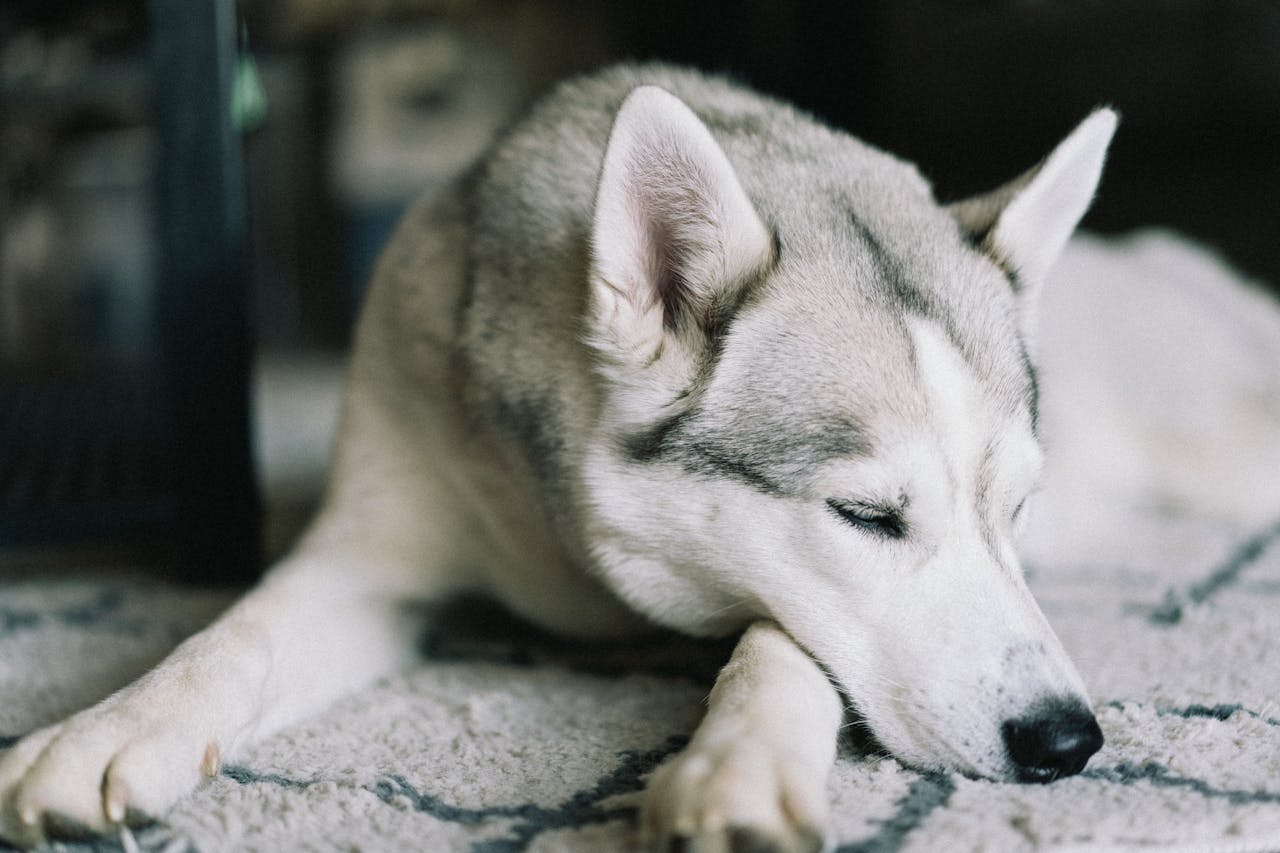
Understanding the Double Coat
The Alaskan Klee Kai has two layers:
- Undercoat: Soft, dense layer that insulates your dog
- Topcoat: Coarser, water-resistant layer that protects against dirt and moisture
Knowing the difference is key for proper brushing, bathing, and maintenance.
Alaskan Klee Kai Coat Types and Colors
Coat Variations
Klee Kais come in three sizes (Toy, Miniature, Standard) and their coats vary slightly:
- Plush, medium-length fur
- Thick undercoat with softer topcoat
- Fur that stands off the body slightly
Common Colors
Popular colors include:
- Black & White
- Gray & White
- Red & White
- Sable & White
Understanding their coat type and color helps choose the right grooming tools.
Tools You Need for Grooming
Brushes and Combs
- Slicker brush: Removes loose fur and tangles
- Pin brush: Smooths the topcoat
- Comb: Ideal for finishing and removing small mats
Deshedding Tools
- Undercoat rake: Removes dead undercoat without damaging topcoat
- Furminator: Helps during seasonal shedding
Nail Clippers and Ear Cleaning Supplies
- Guillotine-style clippers or grinder
- Dog-safe ear cleaner
- Cotton balls for gentle cleaning
Brushing Your Alaskan Klee Kai
How Often to Brush
- Daily: During heavy shedding season
- 2–3 times a week: Most of the year
Step-by-Step Brushing Guide
- Start with a slicker brush on the topcoat
- Use an undercoat rake for the dense undercoat
- Finish with a comb to remove remaining tangles
Tips to Reduce Shedding
- Brush before bath to remove loose hair
- Use a deshedding tool on calm days
- Maintain a balanced diet to reduce hair breakage
Bathing Your Klee Kai
Recommended Bathing Frequency
- Every 6–8 weeks is ideal
- Overbathing can strip natural oils
Choosing the Right Shampoo
- Hypoallergenic or gentle dog shampoo
- Avoid human shampoo; it can dry out their skin
Drying Techniques for Double Coats
- Pat dry with a towel first
- Use a blow dryer on low heat, brushing while drying
- Never leave wet undercoat; it can cause mats or skin irritation
Nail Trimming and Paw Care
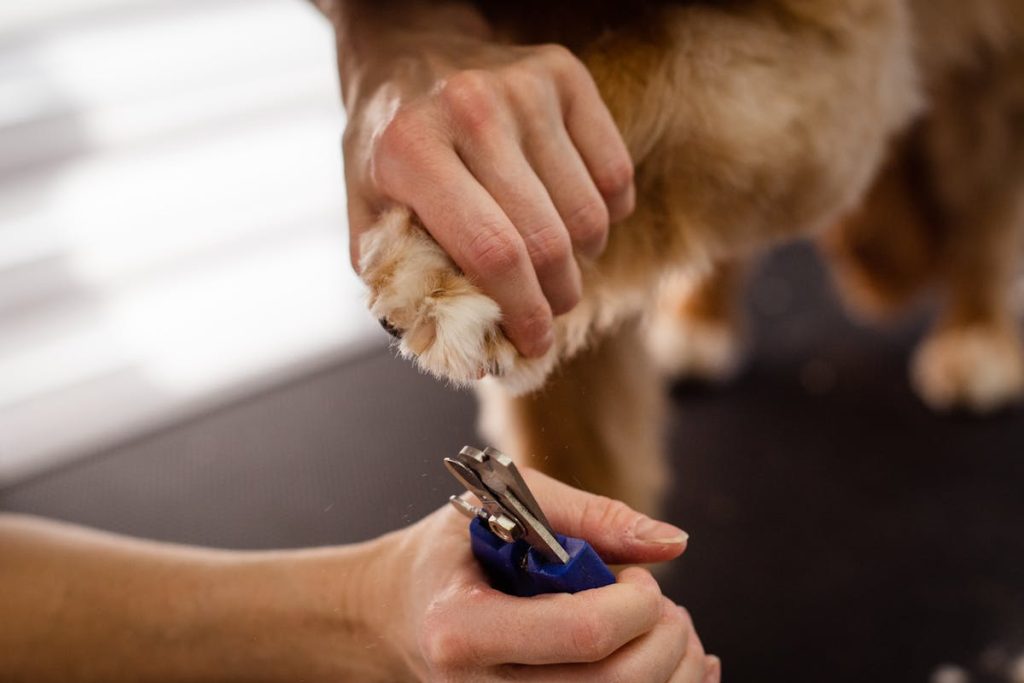
How to Trim Nails Safely
- Trim every 3–4 weeks
- Avoid cutting the quick (pink part inside)
- Use a nail grinder for smoother results
Paw Pads Maintenance
- Check pads for cracks or debris
- Apply dog-safe balm in winter to prevent dryness
Ear and Dental Care
Cleaning Ears Properly
- Use a dog-safe solution
- Clean weekly or after outdoor activities
- Avoid pushing deep into the ear canal
Maintaining Dental Health
- Brush teeth 2–3 times weekly
- Provide dental chews or toys
- Regular vet check-ups for oral hygiene
Dealing with Shedding
Seasonal Shedding Patterns
- Heavy shedding in spring and fall
- Undercoat comes out in clumps, requiring daily brushing
Reducing Hair Around the House
- Use deshedding tools
- Vacuum frequently
- Cover furniture during peak shedding
Grooming Challenges and Solutions
Matted Fur
- Use a detangling spray and comb out carefully
- Never cut mats close to the skin
Sensitive Skin Issues
- Choose gentle shampoos
- Avoid over-bathing
- Watch for redness or irritation
Grooming Fear and Anxiety
- Start grooming early
- Keep sessions short and positive
- Reward with treats and praise
Professional Grooming vs At-Home Grooming
When to Visit a Groomer
- Mats that are hard to remove
- Seasonal heavy shedding
- Nail trimming if uncomfortable at home
Benefits of At-Home Grooming
- Strengthens bond with your dog
- Regular monitoring of skin, coat, and health
- Cost-effective
Diet and Coat Health
Foods that Promote a Healthy Coat
- High-quality protein (chicken, fish)
- Omega-3 fatty acids (salmon, flaxseed)
- Vitamins A, E, and biotin
Supplements for Shedding Control
- Fish oil or omega supplements
- Only under vet guidance
Exercise and Coat Maintenance
Outdoor Activities and Coat Condition
- Brushing after walks removes dirt
- Short daily walks prevent excessive tangling
Avoiding Excessive Dirt and Debris
- Use a coat rinse after outdoor activities
- Wipe paws and legs before entering the house
Grooming Routine Checklist
Daily Grooming Tasks
- Brush lightly to remove loose hair
- Wipe paws and ears
Weekly Grooming Tasks
- Full brushing with undercoat rake
- Check nails, ears, and teeth
Monthly Grooming Tasks
- Bath with gentle shampoo
- Nail trimming
- Inspect skin and coat thoroughly
Conclusion
Grooming your Alaskan Klee Kai doesn’t have to be overwhelming. By understanding their double coat, following a consistent routine, and using the right tools, you can keep your Klee Kai healthy, comfortable, and looking stunning. Regular grooming strengthens your bond while ensuring your furry friend thrives both inside and out.
FAQs
1. How often should I brush my Alaskan Klee Kai?
At least 2–3 times a week, daily during heavy shedding seasons.
2. Can I bathe my Klee Kai every month?
Every 6–8 weeks is ideal to avoid stripping natural oils.
3. How do I prevent mats in their double coat?
Regular brushing, detangling sprays, and quick attention to tangles prevent matting.
4. Are professional groomers necessary for Klee Kais?
Not always, but for heavy mats, nail trimming, or first-time owners, it can help.
5. What foods help reduce shedding?
High-quality protein and omega-3 fatty acids improve coat health and reduce excessive shedding.